Picture this: a sleek, humming server rack, not just filled with blinking lights and whirring fans, but with materials engineered at a molecular level to keep it all running cooler, quieter, and more efficiently. That’s the future Covestro is building, brick by plastic brick, and they just laid out a significant foundation at COMPUTEX 2026. They’re not just talking about the chips anymore; they’re talking about the stuff those chips live in, the stuff that lets embodied intelligence actually, you know, do things.
This isn’t just a refresh of old materials. This is about a fundamental platform shift. AI isn’t just a new app; it’s the electricity of the 21st century, and like any powerful new force, it demands a whole new infrastructure. Covestro, with its deep dive into engineering plastics and thermoplastic polyurethanes, is essentially providing the high-grade wiring, the insulation, and even the protective casing for this AI revolution. Think of it like the early days of the internet – you had the modems, sure, but you also needed the copper wire, the fiber optics, the strong network infrastructure. This is that, but for AI.
Why Does This Matter for AI Infrastructure?
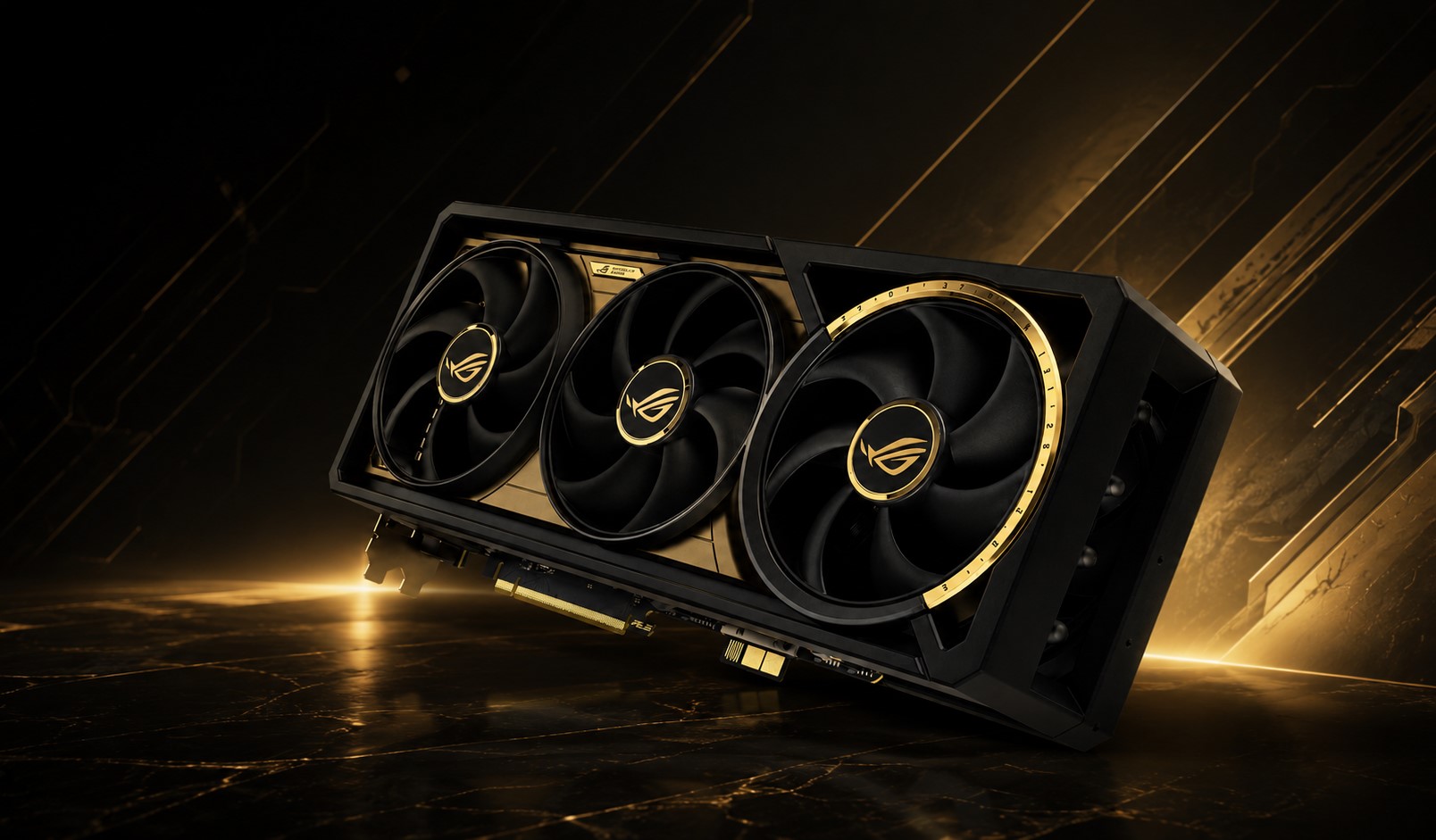
So, what does this actually mean for the behemoths churning through petabytes of data to train those LLMs? It means efficiency. It means thermal management. You see, AI chips — the hungry beasts that power this intelligence explosion — generate an ungodly amount of heat. Traditional materials struggle. Covestro’s portfolio, highlighted at the show, promises solutions that can handle these extreme temperatures better, leading to less energy wasted on cooling and, crucially, longer lifespans for the hardware. It’s like upgrading from a cardboard box to a specially insulated, climate-controlled vault for your most precious electronics.
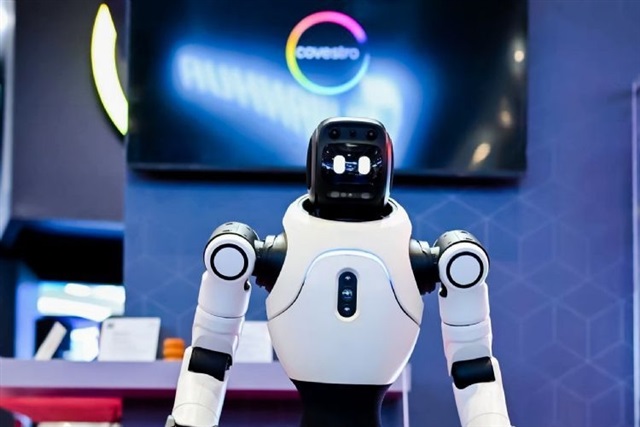
And it’s not just about the big data centers. Covestro is also talking about ‘embodied intelligence.’ This is the AI that lives in things – the smart thermostat that anticipates your needs, the robotic arm that performs surgery with uncanny precision, the drone that navigates a disaster zone autonomously. These applications demand materials that are not only tough and resilient but also lightweight and adaptable. Covestro’s thermoplastic polyurethanes, for example, could mean more dexterous robotic hands or more durable casings for autonomous vehicles operating in harsh environments. It’s the difference between a clunky automaton and a truly graceful, intelligent machine.
They presented a portfolio of engineering plastics and thermoplastic polyurethane materials specifically aimed at these areas. We’re talking about applications that span AI computing, embodied intelligence, and networking devices. It’s a holistic approach, recognizing that the entire ecosystem needs to evolve to support the demands of advanced AI.
“Our materials enable the performance, durability, and efficiency required for next-generation AI hardware, from the chips themselves to the devices they power.”
This quote, while sounding like standard corporate speak, actually hits on a key point: it’s not just about the silicon. It’s about the entire stack. The hype often focuses on the processors, the algorithms, the software breakthroughs. But without the right physical foundation, all that innovation can sputter and overheat. Covestro’s play here is canny. They’re positioning themselves as enablers of the AI infrastructure, a position that, if successful, could be incredibly lucrative.
The Material Advantage: A Deeper Dive
Look, it’s easy to dismiss this as just another company showcasing plastics. But when you consider the sheer scale of AI deployment, the need for sustainability, and the relentless drive for performance, materials science becomes incredibly important. Think about the embodied energy in manufacturing these components. Covestro is hinting at solutions that could reduce that footprint, making AI a little greener. And the durability aspect is key; components that fail less often mean less e-waste and lower operational costs. It’s a subtle but vital part of the AI story.
This isn’t just about making things look pretty. It’s about engineering for extreme conditions. The high heat generated by AI processors, the need for strong enclosures in industrial settings, the flexibility required for wearable tech – these are all challenges that traditional materials might falter under. Covestro’s commitment to showcasing these specific applications suggests a deep understanding of the pain points in the AI hardware development cycle.
It strikes me that this is where the true, often overlooked, platform shifts happen. We get so caught up in the dazzling software updates and the faster clock speeds, we forget that the physical world has to keep pace. Covestro is acting as the architect of that physical evolution for AI, providing the building blocks that will allow AI to truly permeate our lives, not just our screens.
🧬 Related Insights
- Read more: Everlight Bets Big on Thailand Auto LEDs Amid Cost Squeeze
- Read more: NVIDIA’s Vera Rubin: Shipments July, Rumors Squashed [2026 Outlook]
Frequently Asked Questions
What kind of materials is Covestro highlighting for AI data centers?
Covestro is showcasing engineering plastics and thermoplastic polyurethanes designed to improve thermal management, durability, and efficiency in AI computing hardware. This includes materials that can better withstand the high heat generated by AI processors.
How do these materials relate to ‘embodied intelligence’?
For embodied intelligence, which is AI integrated into physical devices, Covestro’s materials offer properties like resilience, lightweight construction, and adaptability. This could lead to more durable and functional robots, autonomous systems, and other intelligent devices.
Is this just about new plastics or a bigger trend?
This is indicative of a larger trend where material science is becoming increasingly critical for enabling the next wave of technological advancements, particularly in AI. As AI demands more power and operates in more diverse environments, the materials used in its infrastructure and applications become paramount to its success and scalability.