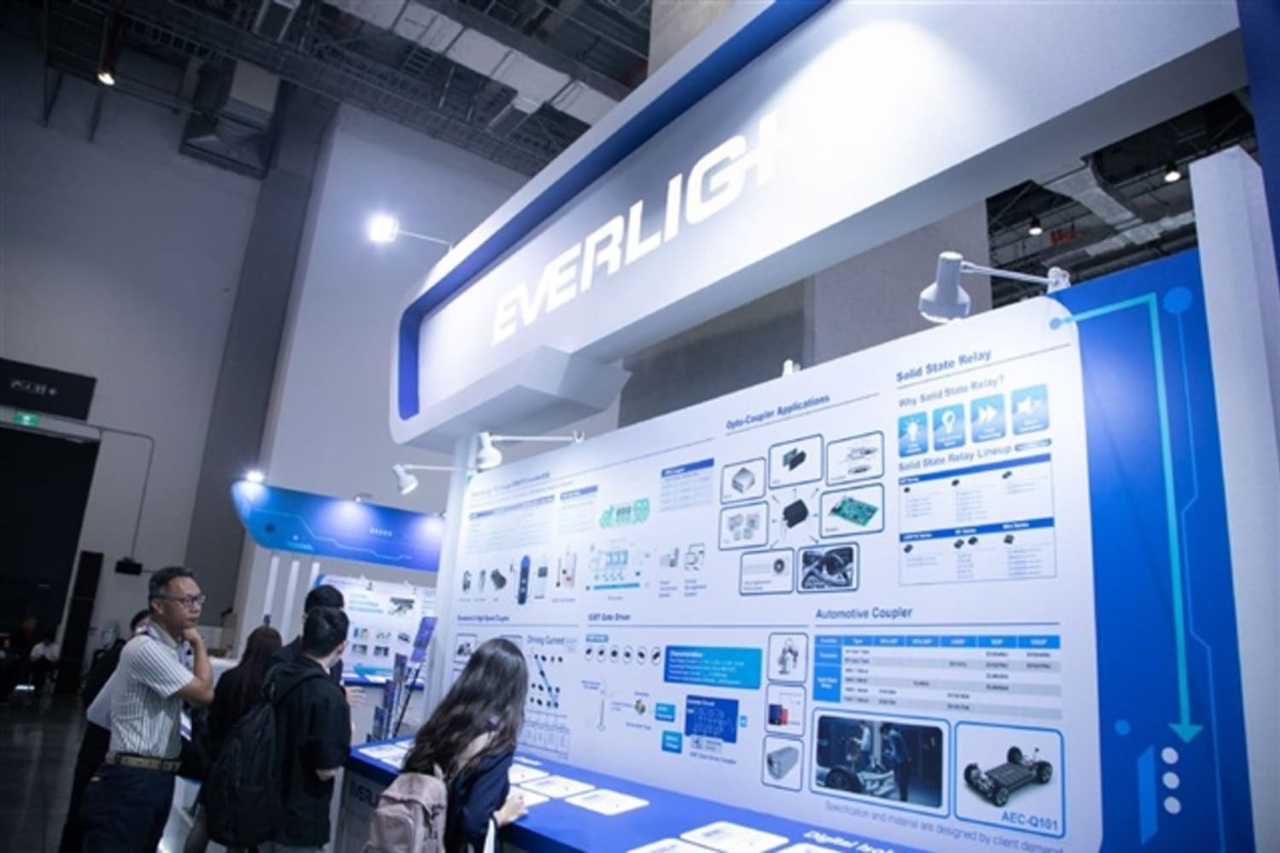
The air in the semiconductor manufacturing world is thick with the smell of expansion and the sting of squeezed margins. Everlight Electronics just dropped a $56.5 million bombshell, announcing a significant investment in its Thai subsidiary. This isn’t just about buying more land and bolting on a few machines; we’re talking a full-blown plant build, complete with fresh equipment, all geared towards solidifying their footprint in the automotive LED sector.
This move isn’t happening in a vacuum. The company’s press releases, when you strip away the corporate polish, point to a clear driver: raw material costs are actively eating into profit margins. For an LED packaging firm, managing the cost of phosphors, epoxies, and the myriad other components is paramount. Shifting or expanding production to a region known for its manufacturing infrastructure and potentially more favorable cost structures, like Thailand, makes a certain kind of cold, hard financial sense.
Why Thailand, and Why Now?
Thailand has steadily climbed the ranks as a manufacturing hub, particularly for automotive components. Its established infrastructure, skilled workforce, and government incentives for foreign investment make it an attractive locale. For Everlight, this expansion isn’t just about capacity; it’s a strategic play to get closer to the automotive OEMs and Tier 1 suppliers who are increasingly demanding localized production and shorter lead times. Think about it: if you’re a car manufacturer, having your critical LED suppliers on the same continent, or even in the same country, reduces risk and speeds up innovation cycles. It’s about mitigating supply chain fragility.
But here’s the analytical kicker: this investment is happening because costs are rising elsewhere, or at least becoming less predictable. The global semiconductor industry has been a roller coaster, and while demand for automotive electronics remains strong—cars are becoming more complex, packed with more sensors, displays, and lighting—the input costs for those components have been volatile. Everlight’s move suggests they’re not just reacting to market demand but proactively restructuring their cost base to protect future profitability.
This expansion is critical. The automotive sector demands extreme reliability and stringent quality control, and Everlight’s investment signals a long-term commitment. They’re not just looking for a quick win; they’re building infrastructure designed to meet the exacting standards of car manufacturers for years to come. It’s a bet on the enduring growth of electrification and autonomous driving features, all of which rely heavily on advanced lighting and display technologies.
Is This a Sign of Broader Industry Pressure?
Absolutely. Everlight isn’t alone in facing these cost pressures. Across the semiconductor supply chain, from chip fabrication to packaging and testing, companies are re-evaluating their operational footprints. We’ve seen a global push towards diversification, often with a focus on regions that offer a better balance of cost, talent, and geopolitical stability. The message from Everlight is clear: if you want to compete in high-value sectors like automotive, you need to optimize your entire value chain, not just your R&D.
Their strategy, to build out a dedicated automotive LED facility, is a direct response to the market’s need for specialized, high-volume production. It also suggests that the current cost of raw materials for general-purpose LEDs might not be sustainable for the profit margins required in the auto industry. This Thai investment is a targeted effort to achieve economies of scale and tighter cost control precisely where it matters most for their automotive clients.
The company also said it plans to build a new production line in its existing facility in Tainan, Taiwan, to further expand its capacity for high-power automotive LEDs.
This dual-pronged approach—expanding in Taiwan for high-power specifics while building a broader automotive presence in Thailand—underscores a sophisticated understanding of market segmentation and production specialization. It’s not just about adding metal and silicon; it’s about strategic deployment of capital to specific market needs.
Look, this isn’t just about a single company making a single investment. It’s a data point in a much larger trend: the ongoing recalibration of global manufacturing strategies in response to economic realities and technological demands. Everlight’s move is a calculated gamble, one that use established manufacturing strengths in Thailand to combat the persistent challenge of rising input costs, ensuring they remain a competitive force in the fast-evolving automotive LED landscape.