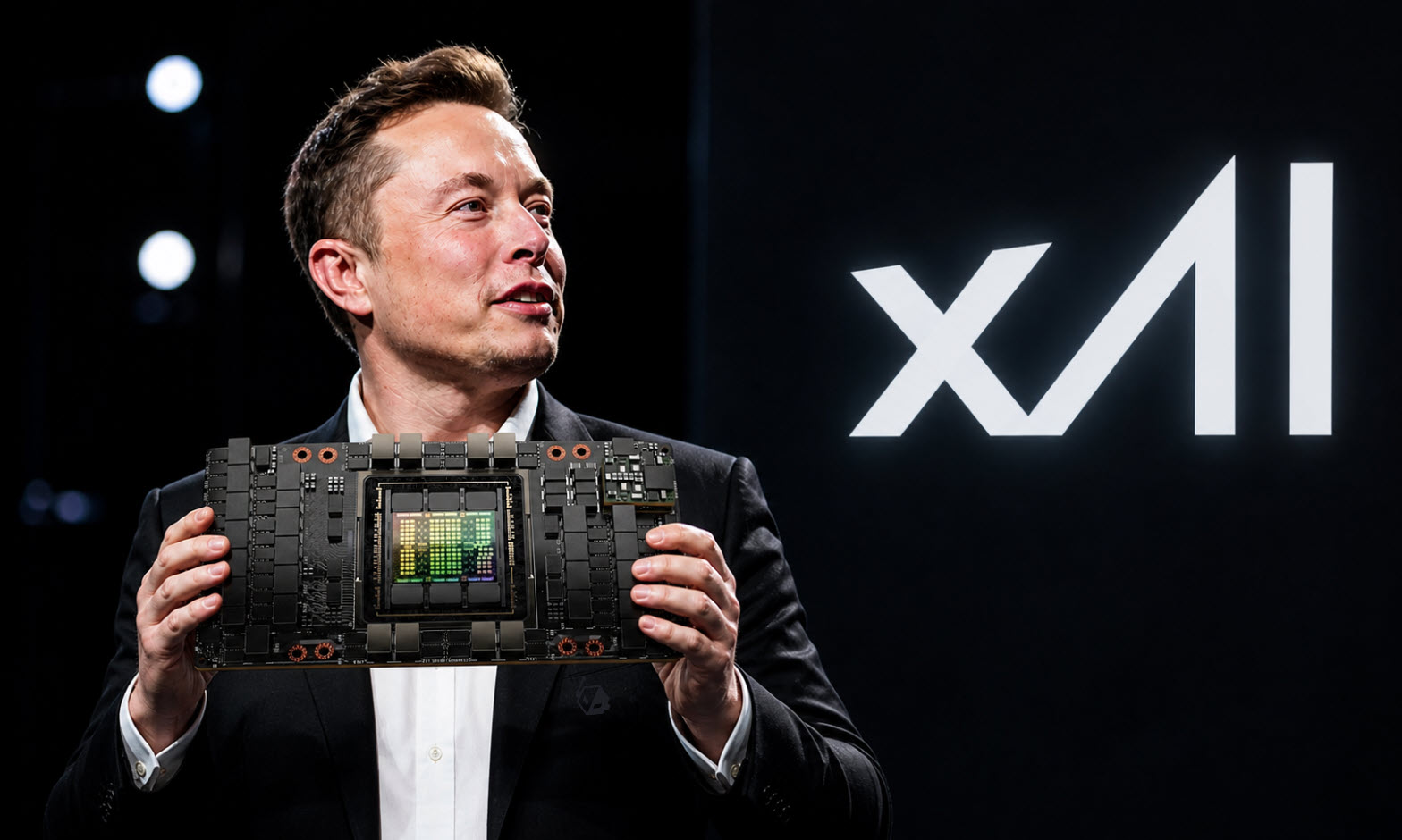
Musk wants AI chips.
That’s the headline, really. All this talk about SpaceX’s “Colossus” supercomputer and a supposed computing-capacity agreement with Anthropic? It boils down to this: Elon Musk has a colossal GPU problem. He’s playing “the enemy of my enemy is my friend” with Anthropic, a company that also needs vast amounts of computing power to train its own large language models, now seemingly to be housed on SpaceX infrastructure. It’s a fascinating, if slightly desperate, maneuver.
The Real Cost of Compute
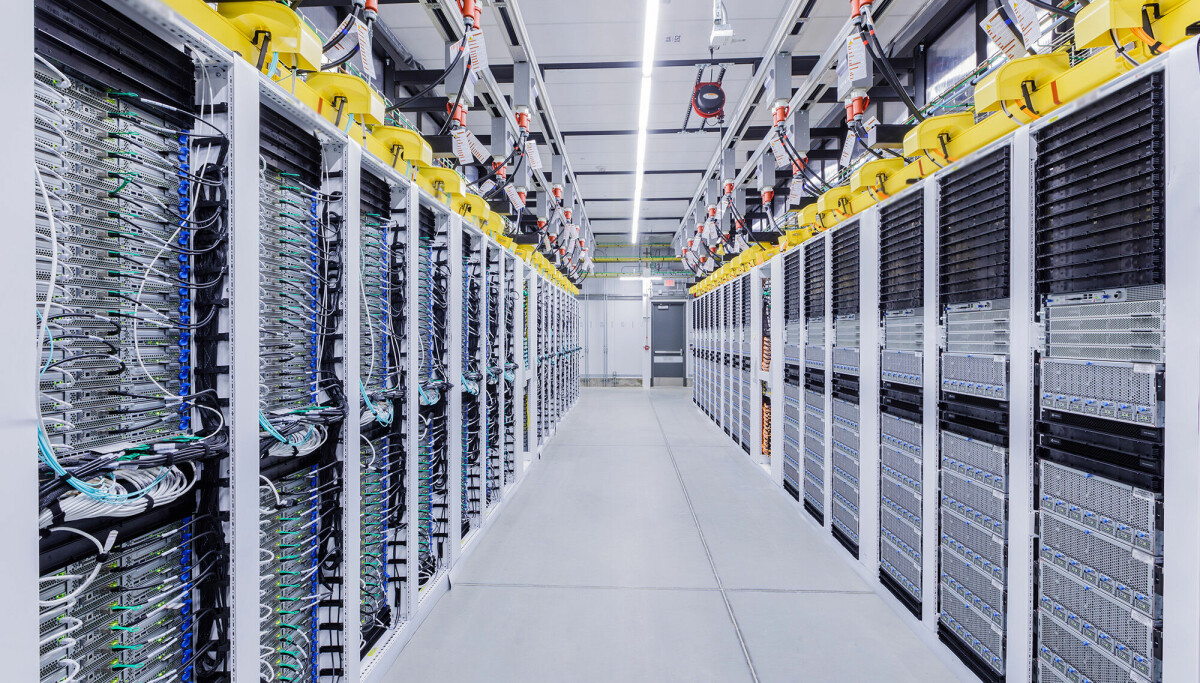
We’re talking about access to SpaceX’s formidable GPU clusters, potentially thousands of NVIDIA’s prized H100s. For Anthropic, this is a lifeline. They’ve been locked out of the usual channels, competing with giants like Microsoft and Google for silicon. For Musk, it’s a shot at keeping Anthropic – and by extension, potentially himself – in the AI game, while also, one assumes, securing future compute for his own X.AI ambitions. But here’s the kicker: this isn’t about innovation. It’s about sheer, brute-force capacity. It’s about buying access when you can’t build it fast enough.
GPU Efficiency: The Next Bottleneck?
The real story isn’t just Musk’s chip hunger. It’s the spotlight this shines on GPU efficiency. We’ve marveled at AI’s progress, but we’ve largely ignored the insatiable power draw. These H100s and their successors churn through electricity like there’s no tomorrow. Musk’s deal, while seeming like a win for Anthropic, is really a symptom of a larger, more fundamental issue: the world is running out of readily available, efficient computing power for AI. Companies are falling over themselves to secure GPUs, driving up prices and creating artificial scarcity. This isn’t sustainable. It’s a house of cards built on kilowatt-hours.
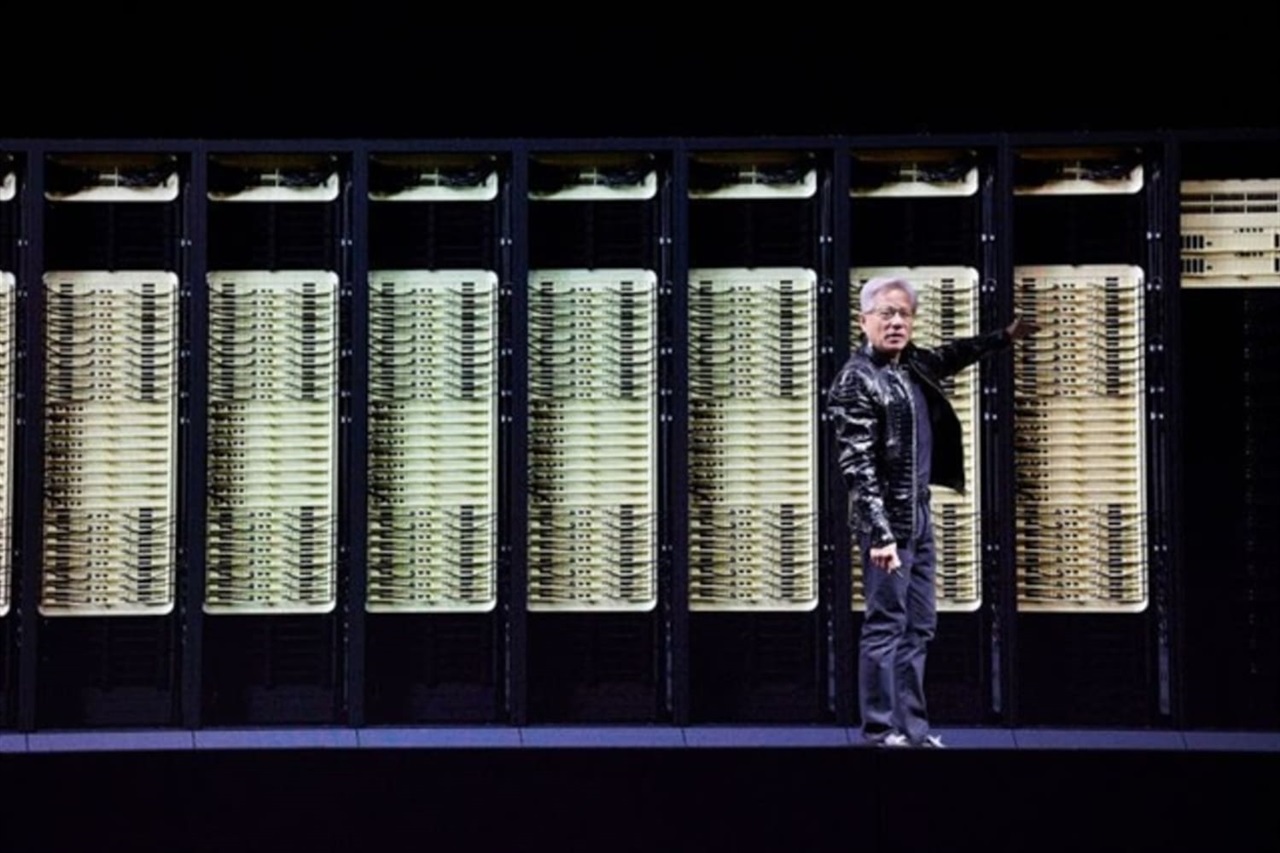
The deal gives Anthropic access to SpaceX’s Colossus supercomputer, with the potential to rent out thousands of NVIDIA H100 GPUs that Musk’s company has reportedly secured. These GPUs are crucial for training AI models, but their acquisition has become increasingly difficult due to high demand and limited supply.
And let’s be honest, Musk isn’t exactly known for his subtle approaches. He’s the guy who wanted to colonize Mars before we’d sorted out our own planet. This GPU acquisition strategy feels cut from the same cloth: a bold, expensive gamble to leapfrog the competition. But unlike rockets, which are eventually reusable and somewhat predictable in their physics, the economics of AI compute are a wild, untamed beast. The cost of powering these AI behemoths is only going to climb, and Musk’s ability to hoard this capacity could be a double-edged sword, further inflating prices for everyone else.
A Ghost of the Past?
This feels eerily familiar, doesn’t it? Remember the crypto boom, when everyone and their dog was snapping up GPUs, creating shortages for actual gamers and creative professionals? We’re seeing a repeat, but with far higher stakes. AI isn’t a fleeting fad; it’s poised to reshape industries. The current GPU acquisition frenzy, exacerbated by Musk’s grand pronouncements and strategic moves, is a clear indicator that the foundational infrastructure for this AI revolution is already straining under the weight of expectation. We’re building AI models that are exponentially more powerful, but our ability to power them efficiently — and affordably — is lagging dramatically behind.
Musk’s venture may seem like a brilliant play to some, a proof to his foresight. I see it as a desperate scramble, a sign that the industry is hitting a wall. The real question isn’t whether Musk can get his hands on enough GPUs, but whether the world can find a more efficient, sustainable way to fuel the AI boom before the power grids buckle under the strain. This deal with Anthropic is less a victory lap and more a frantic dash to the nearest power outlet.
Why is Musk teaming up with Anthropic?
Elon Musk’s partnership with Anthropic is driven by his urgent need for massive computing power, specifically GPUs, to train and develop AI models for his ventures, including X.AI. Anthropic, also facing significant demand for compute, gains access to SpaceX’s infrastructure, creating a mutually beneficial, albeit competitive, arrangement in the high-demand AI hardware market.
Is this deal good for AI development?
On the surface, yes, it provides much-needed computational resources for Anthropic. However, it also exacerbates the existing scarcity of high-end GPUs, potentially driving up costs and limiting access for smaller research groups and startups. It highlights the consolidation of AI compute power within the hands of a few well-resourced entities.