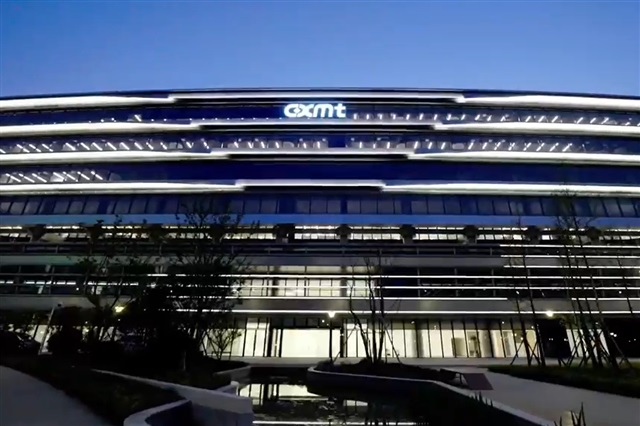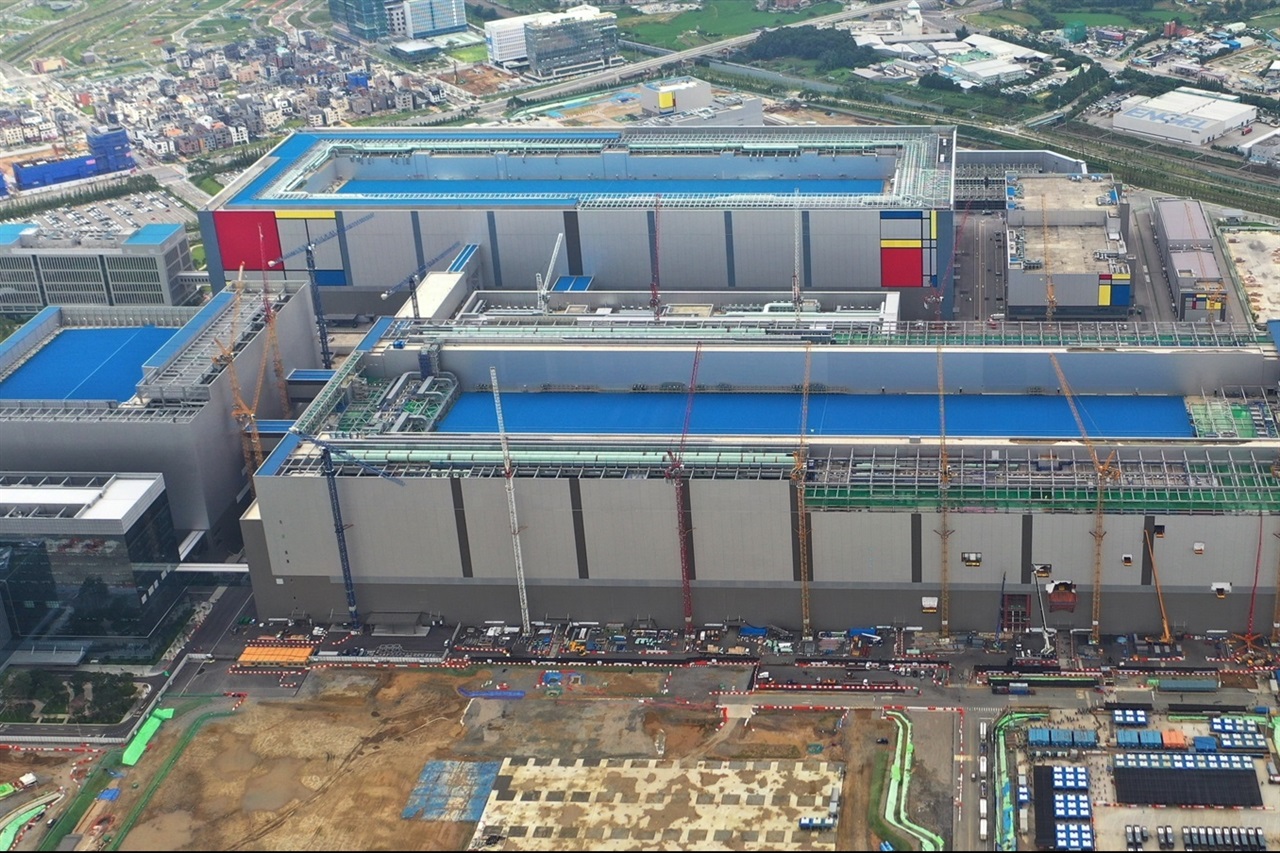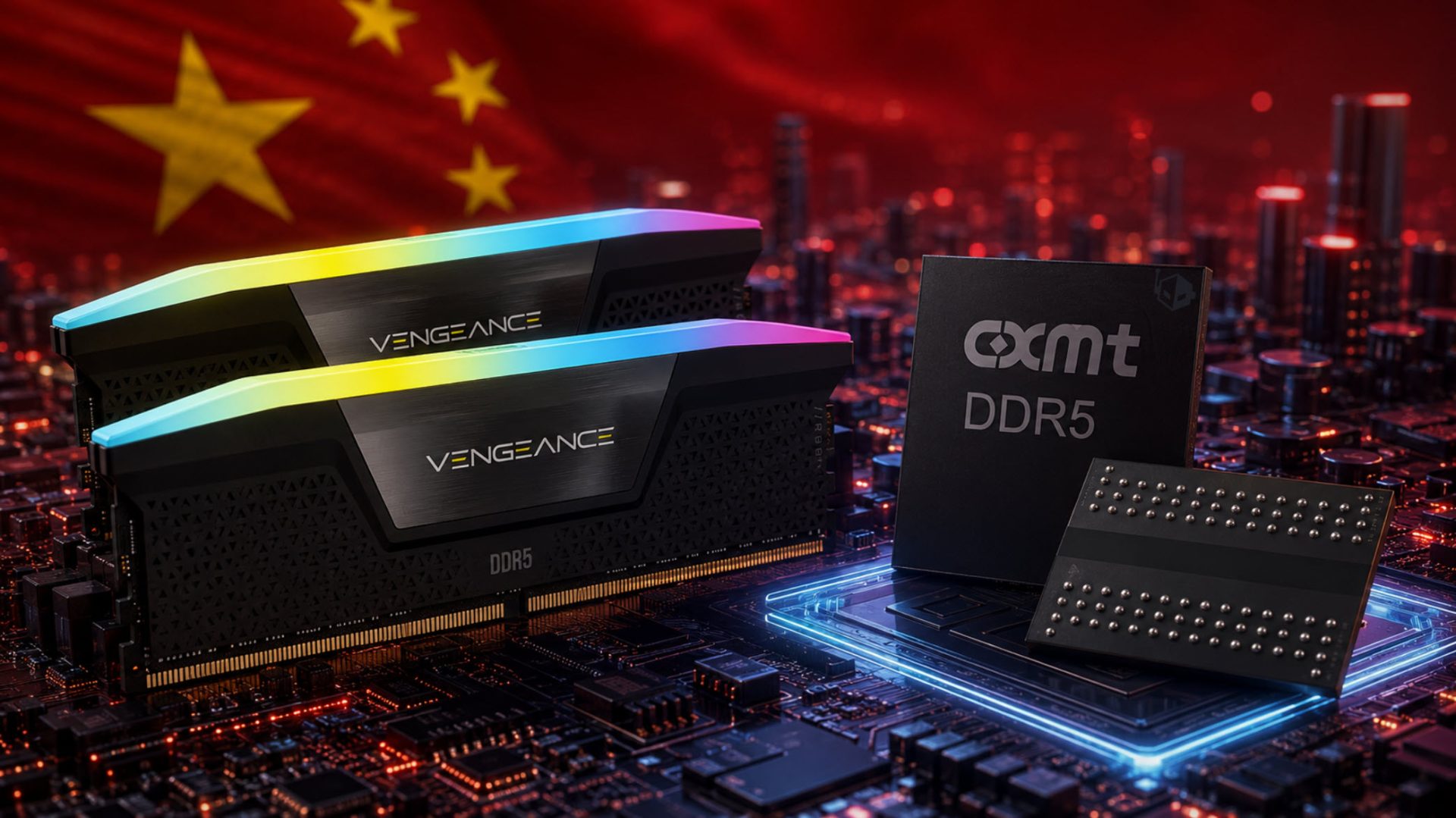
So, Corsair, the big American PC component maker, is slapping Chinese memory chips onto their shiny new DDR5 sticks. And not just any Chinese memory, but chips from CXMT. You know, the company that’s been chugging along while Samsung, SK Hynix, and Micron have been busy — very busy — stuffing the world with HBM and LPDDR5X for the AI gold rush. Is this a sign of a seismic shift in the global memory supply chain, or just a clever workaround for the desperate? My money’s on the latter, at least for now.
Look, we’ve all heard the whispers, the not-so-subtle hints from industry insiders about CXMT and YMTC poised to flood the market with DRAM and NAND. The AI supercycle, as they call it (read: the gravy train for chipmakers who can churn out what Nvidia needs), has choked off the supply of your everyday commodity memory. It’s like suddenly everyone wants caviar, and suddenly there’s barely enough basic bread to go around. Major PC manufacturers have been sniffing around Chinese suppliers for months, apparently, and this Corsair DDR5 module with CXMT DRAM is the first concrete evidence we’ve seen that it’s actually happening.
And why wouldn’t Corsair turn to CXMT? Their usual go-to partners – Samsung, SK Hynix, Micron – have their eyes firmly fixed on the AI prize. That means your standard desktop RAM, the stuff that keeps your games running and your spreadsheets from crashing, is way down their priority list. It’s a classic case of supply and demand, with demand for AI chips hitting astronomical levels, leaving PC OEMs scrambling. CXMT, bless their ambitious hearts, has been playing catch-up, pushing out DDR5 with speeds and capacities that, on paper at least, are starting to look competitive. We’re talking 8000 MT/s, 16Gb and 24Gb dies – specs that used to be the exclusive domain of the big three.
A Match Made in a Shortage
The specific Corsair Vengeance DDR5 module spotted packs 16GB at 6000 MT/s, identified by that cryptic CMK5X16G3E60C36A2 code. Its timings, CL36, are identical to what you’d find on kits using Samsung or SK Hynix chips. On the surface, then, it’s a decent swap. The real story, though, isn’t the performance — it’s the provenance. Corsair, a US-based giant, is opting for a Chinese DRAM manufacturer. The official line, as always, is about supply. But let’s be brutally honest: it’s probably about cost too. Chinese manufacturers, with their rapidly expanding production capacity, are in a prime position to offer a cheaper alternative. They’re not just aiming to satisfy domestic demand; they’re clearly eyeing the global market, and who can blame them?
This “Epic Expansion” initiative by CXMT and YMTC isn’t just a catchy phrase; it’s a serious play for market share. They’re betting that the demand for AI silicon will continue to strain the established players, creating persistent gaps in the supply chain for everything else. And if they can offer comparable specs at a lower price point, well, why wouldn’t companies like Corsair jump at the chance? We’re likely to see a lot more of this by the time Computex rolls around later this year. Expect to see Chinese DRAM powering modules from brands you thought you knew.
But here’s the real question that hangs in the air, and it’s the one the PR folks conveniently gloss over: Is this a strategic move by Corsair to diversify their supply chain and embrace new partners, or is it a desperate measure born out of necessity, a temporary patch on a leaky ship? My gut tells me it’s the latter. The geopolitical landscape around semiconductors is incredibly complex. While Chinese companies are undoubtedly making strides, relying too heavily on them, especially at a time of global trade tensions, carries its own set of risks. The big players—Samsung, SK Hynix, Micron—aren’t going to cede their dominance easily, and they’re already pivoting back to consumer-grade memory once the AI gold rush cools. For now, though, CXMT has an opening, and Corsair, facing a shortage, is willing to take it. It’s a pragmatic, if slightly unsettling, development in the never-ending saga of chip manufacturing.
Why Does This Matter for PC Builders?
For the average PC builder or gamer, this might seem like just another spec sheet to decipher. But it’s more significant than that. It signifies a potential widening of options, and, crucially, lower prices for DDR5 memory. If Chinese manufacturers can reliably produce competitive DRAM, it injects more competition into a market that’s often been dominated by a few giants. This could translate into more affordable RAM for everyone, especially as DDR5 becomes the standard. However, it also raises questions about long-term supply stability and potential geopolitical influences on your hardware choices. It’s a trade-off: potentially lower costs for a more complex global supply chain.
Who is Actually Making Money Here?
Right now, CXMT is undoubtedly seeing a revenue boost. They’re getting a foot in the door with a major global brand, which is invaluable for their credibility and future sales. Corsair, by securing a supply of DRAM at what is likely a competitive price, can continue to meet demand and hopefully maintain healthy margins, even if it means navigating a more complicated supplier relationship. The big AI chipmakers, well, they’re making bank, and their insatiable appetite is what’s creating these supply constraints in the first place. The real winners in the long run will be whoever can adapt fastest to the shifting sands of the global semiconductor industry, and right now, China’s memory manufacturers are proving they’re certainly trying.
🧬 Related Insights
- Read more: EUV Lithography Explained: The Technology Behind Advanced Chip Manufacturing
- Read more: Intel and Google Revive CPUs in the AI Arms Race—But Who’s Really Winning?
Frequently Asked Questions
What is CXMT?
CXMT, or ChangXin Technologies, is a major Chinese manufacturer of DRAM (Dynamic Random-Access Memory) chips. It’s one of China’s leading domestic efforts to build a self-sufficient memory industry.
Will this make my RAM cheaper?
Potentially, yes. Increased competition and the ability of Chinese manufacturers to offer lower-cost alternatives could lead to more affordable DDR5 memory modules for consumers and PC builders.
Is this a sign that China is taking over the global memory market?
It’s a significant step for Chinese manufacturers to enter the global market with major brands, but it’s not a complete takeover yet. The established players like Samsung, SK Hynix, and Micron still hold a dominant share and are actively adapting to market demands, particularly in the high-margin AI sector.