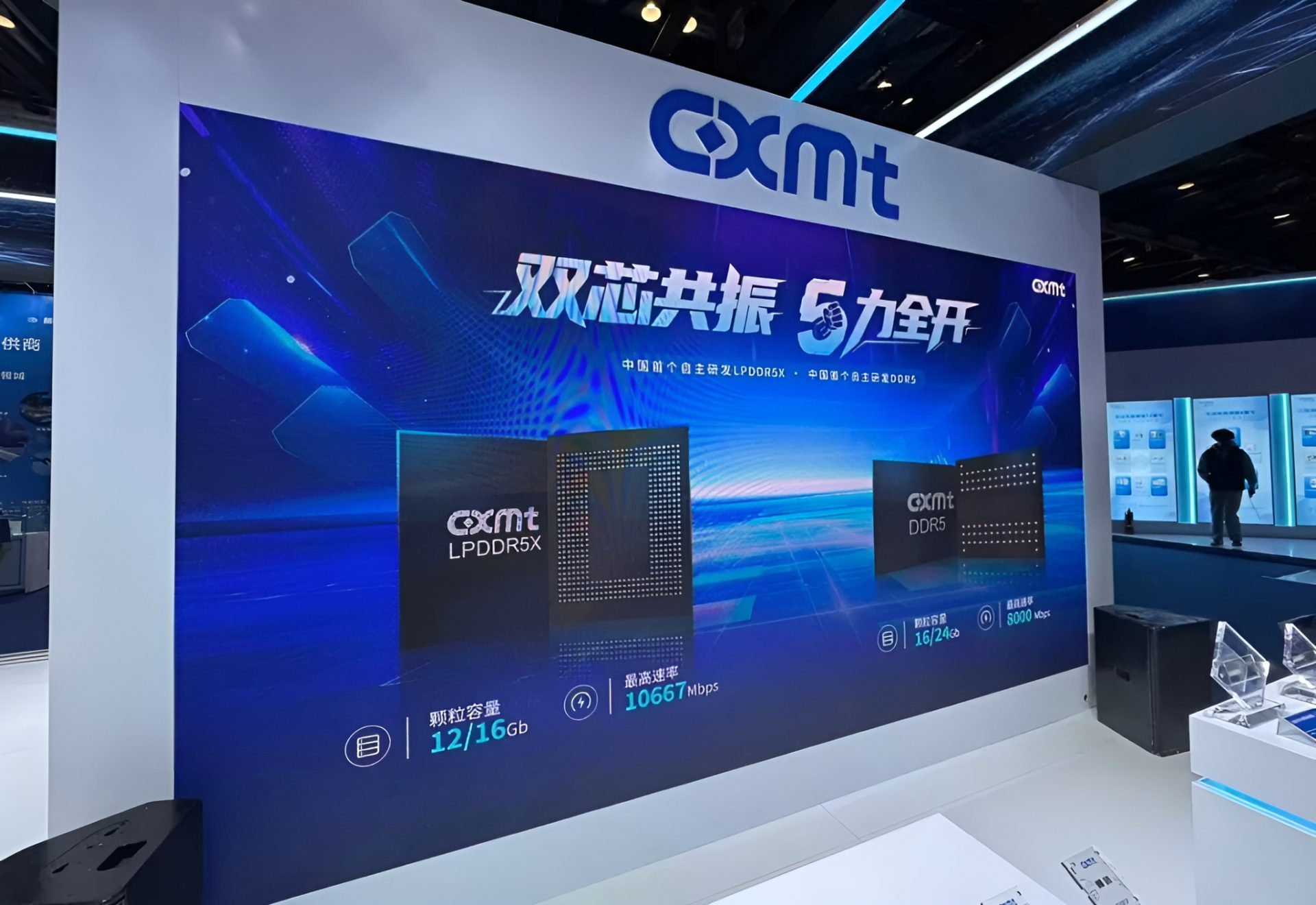
8000 MT/s. That’s not a typo. Chinese memory makers are now touting DDR5 DRAM modules hitting speeds previously considered the exclusive domain of the established giants—Samsung, SK Hynix, and Micron.
This isn’t just a tick-box exercise in speed. It’s a calculated sprint, fueled by the insatiable hunger of AI, enterprise servers, and increasingly demanding consumer devices. For years, the narrative has been one of a duopoly, or perhaps a tight oligopoly, dictating the pace of innovation in the memory space. But the ground is shifting, and the tremors are coming from China.
China’s CXMT, in particular, is emerging as a formidable force, not just keeping pace but actively accelerating DDR5 development. Think about the implications: a domestic supply chain, potentially less susceptible to the geopolitical whims that have plagued global tech. This isn’t just about cheaper RAM; it’s about strategic independence and the reordering of a foundational technology market.
The ‘Why’ Behind the Surge
The catalyst? A confluence of factors, none more critical than the perceived inertia of the established players. While Samsung, SK Hynix, and Micron have been investing heavily in new fabrication facilities, they haven’t, according to some industry whispers, fully addressed existing supply constraints. This created an opening, a gap that Chinese firms like CXMT and Jiahe Jinwei are widening with impressive speed.
Jiahe Jinwei, for instance, is already powering Powev’s Sniker-based DDR5 RDIMMs, offering 64 GB capacities at 5600 MT/s. This isn’t enthusiast-grade tinkering; this is enterprise-ready silicon, designed to meet the burgeoning needs of Chinese AI firms looking to scale their operations. And it’s not just the high-end. The same companies are catering to the domestic consumer market with modules that are “only gotten better and better” as production ramps up.
CXMT’s debut of 8000 MT/s DRAM modules in 16Gb and 24Gb capacities is the headline grabber, but it’s the strategic implications that truly resonate. By fostering domestic production, China sidesteps the headaches of tariffs, supply chain disruptions, and volatile shipping rates – factors that have become a constant hum of anxiety for global tech companies.
The supply constraints in the global memory ecosystem are way worse, forcing the US Government to remove restrictions on CXMT and YMTC.
This quote, buried in the original report, is critical. The US government’s decision to ease restrictions on CXMT and YMTC isn’t merely a footnote; it’s a signal. It suggests an acknowledgment of the reality on the ground: Chinese memory production is becoming too significant, too foundational, to ignore or effectively suppress without wider economic consequences. This opens the door for a flood of Chinese DRAM and DDR5 memory products into Western markets, potentially at prices that will force incumbents to reconsider their own cost structures.
Furthermore, Samsung’s strategic pivot away from older LPDDR standards—essential for entry-level smartphones and PCs—has created another lucrative opening. Chinese DRAM suppliers have aggressively ramped up their own LPDDR4 production, reportedly raking in substantial revenue. This isn’t just about capturing market share; it’s about strategic positioning across different segments of the memory market.
An ‘Epic Expansion’ Underway
What’s next? CXMT and YMTC are embarking on what they’re calling an “Epic Expansion” plan. Billions are being poured into upgrading existing facilities and laying the groundwork for future factories. CXMT currently commands roughly 10% of the global market share. Given their aggressive production cycles and the momentum they’re building, this number is poised to climb significantly.
This aggressive expansion isn’t just about volume; it’s about vertical integration and control. When a nation-state-backed entity can dictate the pace of memory development, the downstream effects ripple through every industry that relies on computing power. We’re not just talking about faster gaming PCs; we’re talking about the foundational building blocks of future AI infrastructure, cloud computing, and a vast array of interconnected devices.
It’s easy to dismiss such advancements as simply “catching up.” But the speed and scale of this acceleration suggest something more fundamental: an architectural shift in the global memory landscape. The tight grip of the traditional players is loosening, not through any one company’s failure, but through the relentless, strategic advance of a determined challenger.
Is This a Geopolitical Gambit or Pure Innovation?
The narrative often gets tangled in geopolitics, and it’s true that trade restrictions and national industrial policies play a role. However, to attribute China’s memory advancements solely to government mandate is to underestimate the technical prowess and market acumen now on display. When your competitors are pushing the bleeding edge of technology, you have to do the same, or risk being left behind. The fact that Chinese firms are hitting 8000 MT/s means they’re not just assembling components; they’re deeply involved in the design, manufacturing, and optimization of DRAM itself. This requires immense engineering talent and significant R&D investment, regardless of the political climate.
The Core Architectural Shift: Beyond Raw Speed
What’s truly fascinating here is the underlying architectural push. Reaching 8000 MT/s isn’t just about cranking up clock speeds. It requires sophisticated signal integrity, advanced error correction, and finer lithography. It suggests a maturing ecosystem of chip design, advanced packaging, and materials science within China. They’re not just mimicking; they’re innovating at a fundamental level, pushing the boundaries of what’s possible with current silicon processes and pushing for the next generation of memory controllers and interface technologies. This deep dive into the architecture is what enables sustained, high-speed operation, and it’s a proof to the multi-faceted development happening within Chinese memory makers.
What Does This Mean for the Global Market?
For consumers, it could mean more competitive pricing and a wider array of choices for high-performance RAM. For enterprise, particularly in regions prioritizing supply chain resilience, it offers a potentially more diversified and cost-effective source of critical components. For the established players, it’s a clear and present challenge that will necessitate even faster innovation and tighter cost control. The era of undisputed dominance is waning, replaced by a more dynamic, multipolar memory market. This isn’t just about memory chips; it’s about the future of computing, and China is now firmly in the driver’s seat for a significant part of that future.
🧬 Related Insights
- Read more: NVIDIA Game Ready Driver Preps DLSS 4 for Conan Exiles Enhanced
- Read more: What is a GPU vs CPU? Understanding the Core of Computing Power
Frequently Asked Questions
What is DDR5? DDR5 is the fifth generation of the Double Data Rate Synchronous Dynamic Random-Access Memory standard, offering higher speeds, greater capacity, and improved efficiency over its predecessor, DDR4.
Will Chinese memory be cheaper? It’s anticipated that Chinese-produced DDR5 memory might be more competitively priced due to domestic manufacturing and reduced reliance on international supply chains susceptible to tariffs and shipping costs.
Can Chinese memory makers compete with Samsung and SK Hynix? With recent advancements, including reaching 8000 MT/s speeds, Chinese manufacturers like CXMT are demonstrating a significant acceleration in their development capabilities and are increasingly competitive with established players.