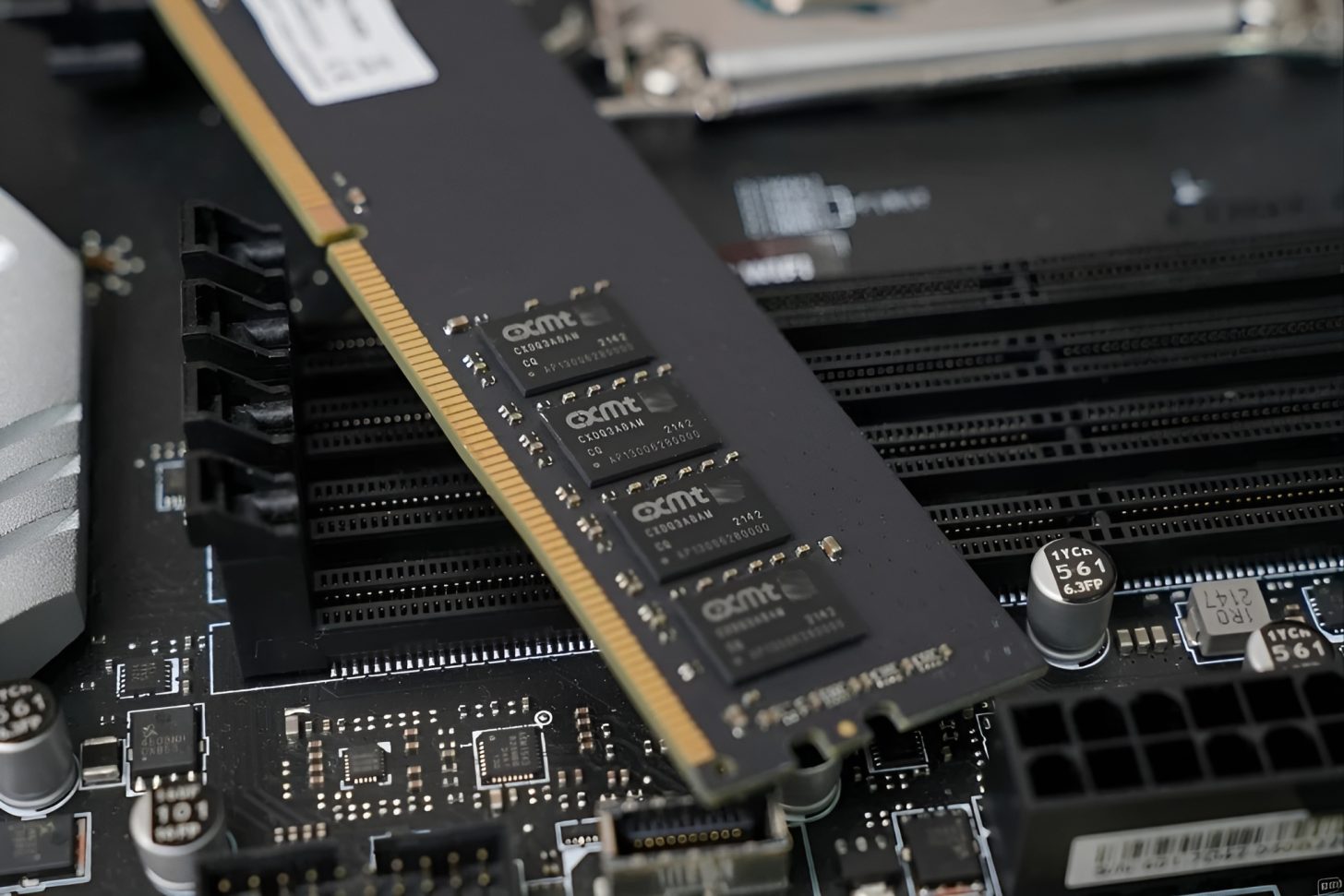
Ever wonder why that sleek new laptop still feels sluggish sometimes? It might not be the processor. It’s the memory, friend. And in 2026, the humble RAM chip is about to become the undisputed king of notebook competition.
Forget the spec wars. The days of cramming in ever-larger SSDs or boasting about the latest M-series chip are fading. This isn’t just a minor blip; it’s a tectonic shift. The latest whispers from the silicon trenches suggest that controlling the memory supply chain is the new “it” factor for notebook vendors. Suddenly, the ability to secure DRAM at a decent price, or even better, to have it baked into your own integrated silicon… well, that’s where the real power lies. It’s a move away from the flashy exterior to the guts, the core — the stuff that actually makes your device hum (or whine).
This isn’t about innovation in screen resolution or a keyboard that magically cleans itself. This is about raw, fundamental components. Think of it like a restaurant. Used to be, you’d brag about your foie gras or your truffle oil. Now, if you can’t get your hands on good quality flour at a fair price, you’re not even in the game. The entire competitive landscape is being reshaped by something as seemingly mundane as memory costs. And believe me, memory costs are anything but mundane these days.
The Unseen Hand of DRAM
So, what’s driving this memory-centric uprising? It’s a perfect storm of supply chain bottlenecks, geopolitical jitters, and frankly, a growing reliance on memory for everything from AI inferencing on your device to simply keeping dozens of browser tabs open without a hiccup. Companies that can secure their DRAM supply, or better yet, integrate it into their System-on-Chips (SoCs), gain an enormous advantage. They can offer consistent pricing, guaranteed availability, and potentially tighter integration that leads to real performance gains. It’s a vertical integration play, plain and simple.
This puts companies like Apple, with its tight control over its silicon and supply chain, in a potentially dominant position. They’ve been doing this for years, building their own M-series chips with integrated memory. Now, everyone else is scrambling to catch up. Expect to see more partnerships, more in-house silicon development, and a whole lot of nervous energy directed towards memory manufacturers.
“Group-level integrated capabilities are emerging as the core of competition, moving beyond product specifications and pricing battles.”
That’s a fancy way of saying that if you can’t manage your memory supply, you’re going to be playing defense. And defense in this market is a losing proposition. Vendors will be judged not just on the final product, but on their entire operational prowess. Can they secure the chips? Can they engineer them efficiently? Can they do it all without breaking the bank for the consumer?
Is This Just About the Bottom Line?
It’s easy to dismiss this as just another corporate cost-cutting measure dressed up in strategic jargon. But look closer. The emphasis on integrated capabilities and supply chain control suggests a deeper strategic pivot. It’s about resilience. It’s about predictability in an increasingly unpredictable world. Companies that can weather the storm of memory price hikes and chip shortages without passing on exorbitant costs to consumers will win. This resilience translates directly into market share and brand loyalty. It’s not just about profit; it’s about survival.
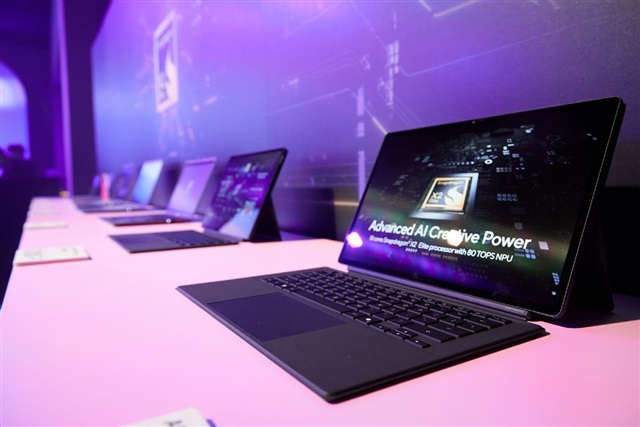
And let’s not forget the looming specter of on-device AI. More and more, intelligent features are going to reside directly on your laptop, not in the cloud. That requires significant memory bandwidth and capacity. The companies that can provide this efficiently, without making their devices prohibitively expensive, will be the ones leading the AI-powered computing revolution. It’s a race for intelligence, and memory is the fuel.
So, what does this mean for you, the humble consumer? Brace yourself for a slightly different kind of marketing. Forget the megapixel count on your webcam. The real story might be about how many gigabytes of LPDDR5X are soldered directly onto the main board, and how well that integration translates into your daily grind. It’s a less glamorous battle, fought in the silicon foundries and the boardrooms, but its impact will be felt on your desk. The price of memory is no longer just a component cost; it’s a competitive weapon. And in 2026, it’s the weapon that will likely decide who stands and who falls in the global notebook arena.
🧬 Related Insights
- Read more: NVIDIA’s Batch VC-6 Fix: 85% Faster Decodes, But Pipelines Still Limp?
- Read more: 3D-ICs’ Power Puzzle: Solved from the System Up
Frequently Asked Questions
What does “group-level integrated capabilities” mean for notebooks? It means competition will focus on a company’s overall ability to control its supply chain, design integrated silicon (like SoCs with memory), and manage component costs, rather than just competing on individual specs like CPU speed or screen resolution.
Will this make laptops more expensive? Potentially, yes. Companies with better memory supply chain control might offer more stable pricing. However, significant price increases are possible if DRAM costs remain high and companies struggle to secure sufficient supply, forcing them to pass those costs on.
How does this affect AI on laptops? On-device AI requires substantial memory. Companies with superior memory integration and supply chain control will be better positioned to offer powerful AI features on laptops without making them prohibitively expensive or slow.