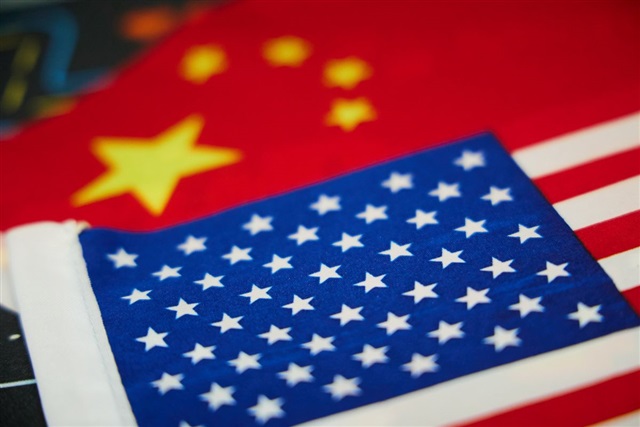
Everyone figured China’s push into AI chips was about fostering domestic champions and reducing reliance on foreign tech. We saw the investments, the ambitious goals, the public pronouncements. What we didn’t quite grasp, until now, was the sheer systemic integration they were planning. China has formally brought AI chips into its national security and reliability evaluation framework for the first time, marking a further expansion of the country’s Information Technology Application Innovation (ITAA) procurement policy into AI computing. This isn’t just a tweak to purchasing guidelines; it’s a foundational shift, weaving domestic AI silicon into the very fabric of state infrastructure.
Think about what this means. For years, the ITAA policy has been about ensuring that government IT systems use hardware and software developed or manufactured in China. It was a way to boost local companies and, frankly, reduce the attack surface from foreign intelligence. Now, they’re drawing a bright, bold line around AI. This isn’t just about avoiding a potential backdoor in your server rack; it’s about control over the intelligence that runs on that hardware. It’s a move that screams ‘national security’ and ‘self-sufficiency’ louder than any press release ever could.
Why Does This Matter for the Global Chip Market?
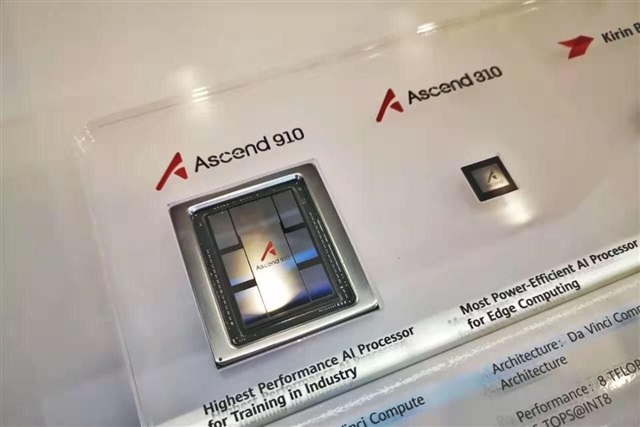
Here’s the thing: China isn’t just waving a magic wand. Clearing these chips for procurement means they’ve passed some level of rigorous, state-sanctioned evaluation. This implies a level of maturity, or at least a perceived maturity, in the domestic AI chip ecosystem. Companies like Huawei, with its Ascend chips, are likely front and center here. This isn’t a nascent, R&D-stage endeavor anymore. This is about deploying these chips into critical government applications – think surveillance, smart city infrastructure, potentially even defense systems. This immediately shrinks the addressable market for foreign AI chip giants like NVIDIA in one of the world’s largest tech markets.
It’s also a clear signal to Chinese companies. When the government prioritizes and formally adopts domestic AI hardware for its own use, it creates a powerful ripple effect. Developers will be incentivized to optimize their AI models and frameworks for these specific architectures. Enterprises will feel more comfortable investing in domestic solutions, knowing they align with national policy and security mandates. This builds an ecosystem – a virtuous cycle that, if successful, could create a formidable Chinese AI chip industry, independent of the US-led dominance.
The Architectural Underpinnings of State Control
The real story here isn’t just about trade or market share; it’s about the underlying architectural shift China is orchestrating. By integrating AI chips into a national security framework, Beijing is essentially saying that AI processing is no longer a generic computing task. It’s a strategic capability, intrinsically linked to state power and defense. This means the design, verification, and deployment of these chips will be scrutinized through a different lens – one that prioritizes resilience, security, and controllability above all else. We’re talking about a potential divergence in chip architectures, where chips designed for the Chinese state might incorporate specific hardware-level security features, custom instruction sets, or even unique interconnects optimized for their specific national AI initiatives. It’s a move that could lead to bifurcated development paths, where what’s standard in the West becomes a foreign concept in China, and vice-versa.
This also implies a deep dive into the supply chain, not just for the chips themselves but for the entire AI stack. From the fundamental processing units to the operating systems and AI libraries that run on them, the government wants to ensure end-to-end reliability and security. It’s an ambitious undertaking, requiring not just technological prowess but also a profound level of coordination and control across an entire industry.
“This marks a significant step in China’s drive to ensure the security and reliability of its AI computing infrastructure.”
The implications are stark. This isn’t just about China building its own chips; it’s about China building its own AI architecture under its own stringent rules. This could lead to a more fragmented global technology landscape, where interoperability becomes a significant challenge, and where national security concerns increasingly dictate technological development.
What Does This Mean for the Future of AI Hardware?
We’ve always known that geopolitics would play a massive role in the future of semiconductors. But this adds a critical layer: national security dictates AI silicon. This move by China suggests that AI processing units are now viewed in the same vein as critical defense hardware. It’s a recognition that the ability to process and analyze data at scale, especially with advanced AI algorithms, is fundamental to national competitiveness and security in the 21st century.
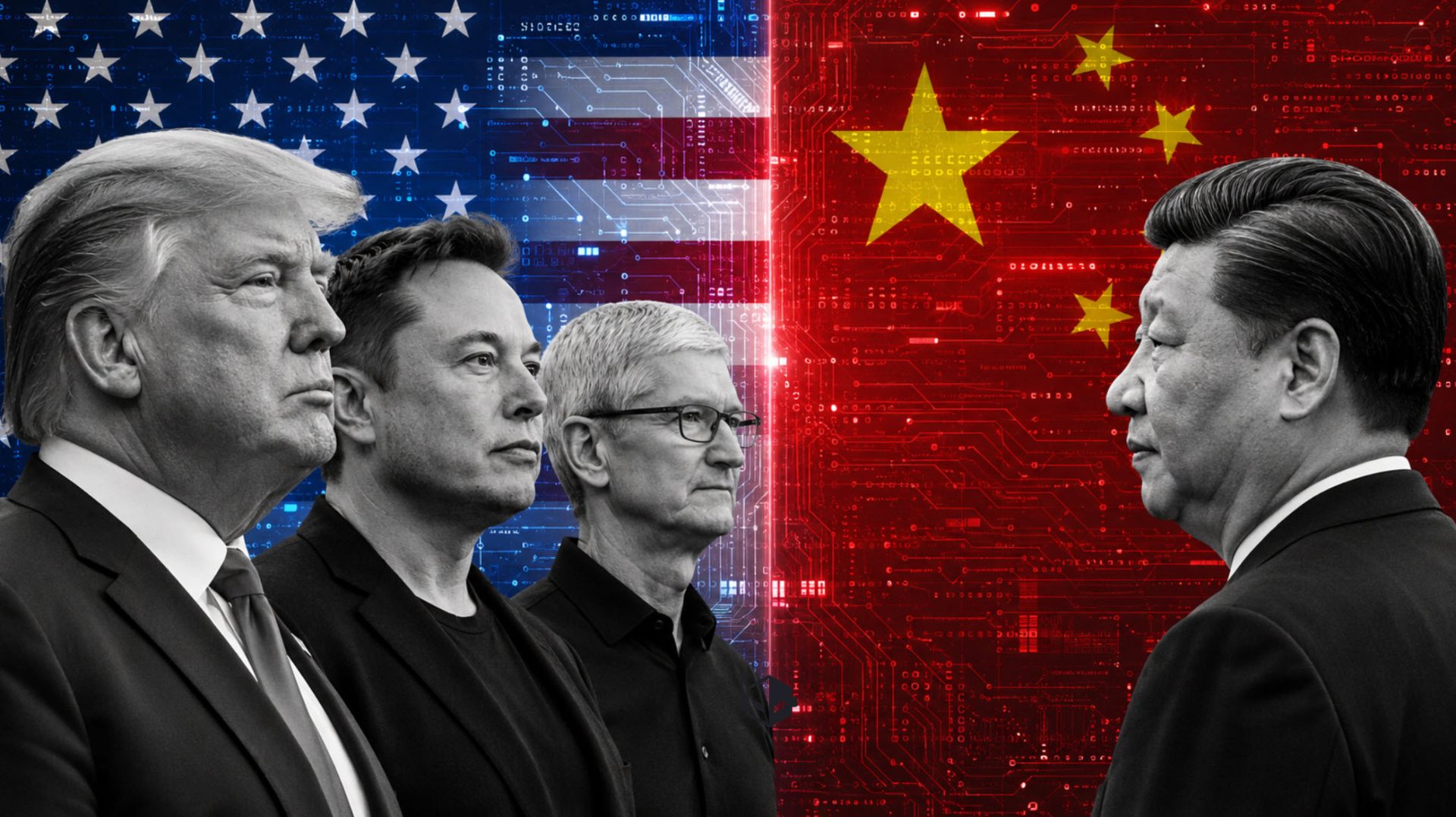
For the rest of the world, particularly the United States and its allies, this raises several questions. How will they respond to this formalized bloc of domestic AI hardware? Will it spur further decoupling? Will there be increased scrutiny on cross-border AI chip collaborations? The pressure to innovate and secure the supply chain will only intensify. This move isn’t just a national policy for China; it’s a global gauntlet thrown down.
**
🧬 Related Insights
- Read more: NVIDIA’s 1,000,000x Efficiency Sprint: Real Moonshot or Just Better Chips?
- Read more: SK hynix Revenue Surpasses 50 Trillion Won for First Time
Frequently Asked Questions**
Will this affect global AI chip prices?
Potentially. By increasing demand for domestic chips and reducing reliance on imports, China’s move could impact global supply-demand dynamics. However, the primary impact will be on the types of chips available in the Chinese market, rather than a direct global price surge.
Can foreign AI chip companies still sell in China?
It will become significantly harder for them to compete for government contracts and state-backed projects. While the consumer market might remain open, national security and reliability evaluations will create substantial barriers for foreign hardware.
Is this a sign of a new Cold War in technology?
It certainly escalates existing tensions. The move signals a deepening commitment to technological self-reliance, particularly in critical areas like AI, which could lead to further fragmentation of the global tech ecosystem.