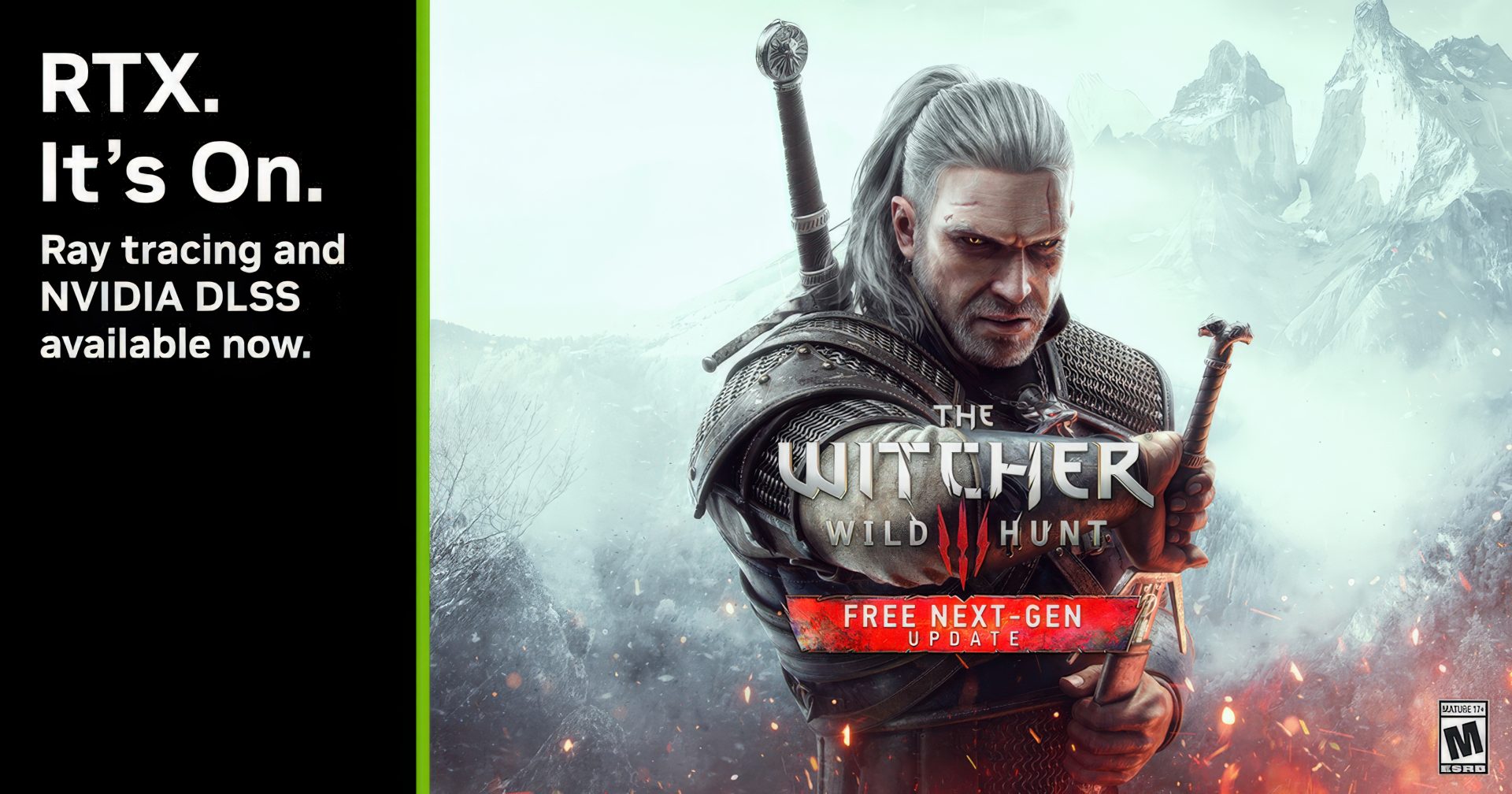
Look, nobody expected a decade-old game to suddenly become a cutting-edge showcase for the latest in AI-driven graphics technology. Yet, here we are. When CD Projekt Red unleashed The Witcher 3 back in May 2015, DLSS, let alone DLSS 4.5 with its dynamic multi-frame generation capabilities, was pure science fiction. The game eventually received a next-gen update that did incorporate DLSS Super Resolution and Frame Generation, but this new unofficial mod from PureDark is aiming higher, targeting the newest advancements.
This isn’t just a simple tweak; PureDark’s mod swaps out the game’s native Streamline 1.x upscaler for a much newer Streamline 2.11.1. The critical component is its support for NVIDIA DLSS 4.5 Dynamic Multi-Frame Generation, a feature explicitly designed for the latest RTX 50 Series GPUs. The reason for the Streamline version jump? Older builds simply can’t handle the demands of MFG. It’s a technical dependency that highlights how far these upscaling technologies have leaped forward.
The mod, available via PureDark’s Patreon for a $5 monthly contribution, offers two modes: fixed and dynamic multiplier. Fixed mode lets you manually dial in frame multipliers ranging from 2x to a frankly audacious 6x. Dynamic MFG, however, is the real star here, promising to intelligently adjust the multiplier to match your display’s maximum refresh rate based on real-time scene complexity. This adaptive approach is precisely what separates bleeding-edge tech from yesterday’s solutions.
Testing paints an impressive, if not entirely perfect, picture. Content creator Gaming DJ strapped an RTX 5070 Ti into the fray with Ray Tracing set to Ultra. Their findings? A baseline 30 FPS can indeed balloon to 60 FPS at 2x, 90 FPS at 3x, and a staggering 180 FPS at the full 6x multiplier. This isn’t just a few extra frames; it’s a potential tripling of performance.
The sweet spot is 3x, where the smoothness gains are substantial and artifacts remain difficult to spot during normal play.
However, and this is where the data-driven analyst in me raises an eyebrow, the visual fidelity takes a significant hit beyond 3x. We’re talking garbled textures and UI elements that scream ‘beta testing.’ This is a crucial data point: raw FPS isn’t everything if the experience devolves into visual chaos. The current sweet spot, the pragmatic choice, appears to be the 3x multiplier. It offers substantial smoothness without the egregious artifacting seen at higher multipliers. Still, it’s early days for this build; PureDark is already promising fixes.
For those brave enough to venture into modding territory, the installation is straightforward, involving extraction to a specific game directory and a few in-game setting adjustments. You’ll need to enable DLSS and disable DLSS FG in the game’s options, then use the END key to access the mod menu. A separate keypad hotkey toggles Frame Generation itself, customizable via an .ini file.
The Business of ‘Free’ Performance
This entire scenario — a decade-old game suddenly getting a massive performance uplift via an unofficial mod leveraging the absolute latest GPU tech — is fascinating from a market perspective. It underscores two key realities. First, the longevity of beloved game titles means there’s a persistent appetite for performance improvements, even years after their initial release. Second, it highlights the incredible power of AI-driven upscaling, now so advanced it can be retrofitted (with considerable effort) onto older titles, effectively extending their playable lifespan for a new generation of hardware. The fact that this is a paid mod, accessible only via a subscription, also speaks volumes about the value proposition of such advanced graphical enhancements. It’s a clear signal that players will pay for significant performance gains, even if it requires unofficial channels.
Why Does DLSS 4.5 Matter for Older Games?
This unofficial mod is more than just a frame rate booster for Geralt’s adventures. It’s a proof-of-concept for the immense potential of advanced AI upscaling. While official support is often a slow process, community modders, armed with cutting-edge tools and deep technical knowledge, can breathe new life into cherished games. The development of Dynamic Multi-Frame Generation in DLSS 4.5 represents a significant leap, not just for new releases, but for the possibility of enhancing the visual fidelity and smooth playability of our existing game libraries. It suggests a future where older titles might become playable at resolutions and frame rates previously unimagined, all thanks to clever software interventions on powerful new hardware.
It’s worth noting the potential for future official DLC as well, adding another layer to The Witcher 3’s enduring legacy. But for now, the data points towards a compelling, if slightly artifact-prone, performance boost delivered by the sheer ingenuity of the modding community, pushing the boundaries of what was once thought possible a decade ago.