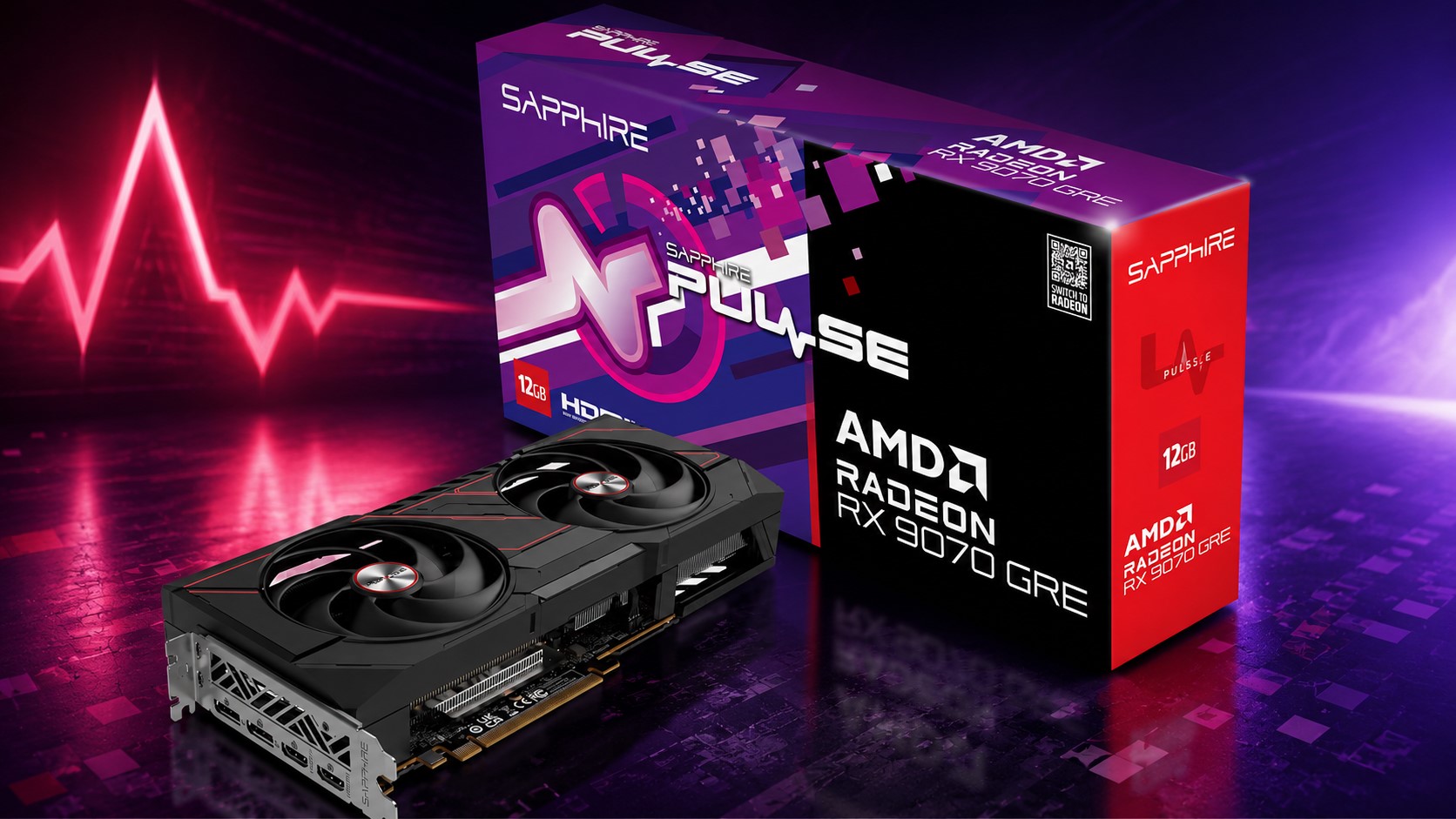
Look, forget what happened for a second. The real story here isn’t just some obscure graphics card suddenly appearing on Amazon. It’s that the invisible walls of global chip distribution are starting to crumble, and you, the gamer, might just benefit. AMD’s Radeon RX 9070 GRE, a card that was supposed to be locked down for the Chinese market, has just landed on US soil, listed by manufacturers like Sapphire. This isn’t just a product leak; it’s a tremor in the established order, a sign that the tight, regional control over high-demand tech might be loosening.
Think of it like this: for years, certain car models or tech gadgets were only available in specific countries. They had their own flavors, their own special editions. This GPU launch felt like that – a unique, China-centric creation. But now? It’s like that coveted model has mysteriously appeared in showrooms stateside, no fanfare, just… there. This suggests a strategic recalculation from AMD, or perhaps a pushback from market forces demanding broader access.
The Specs That Matter to Your Rig
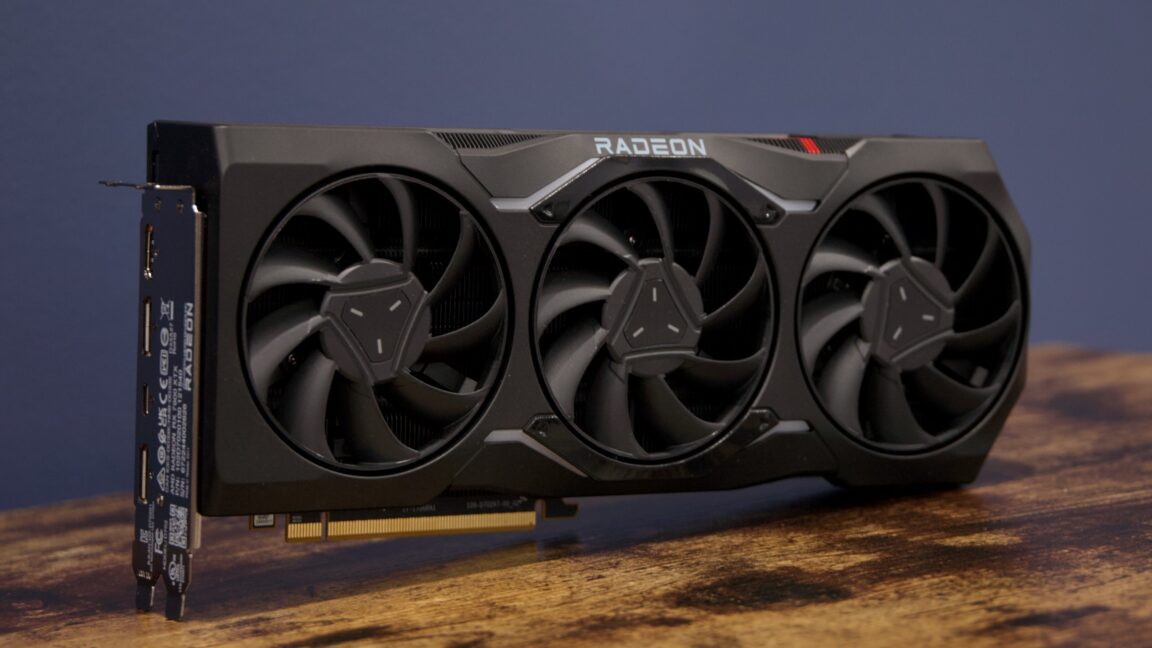
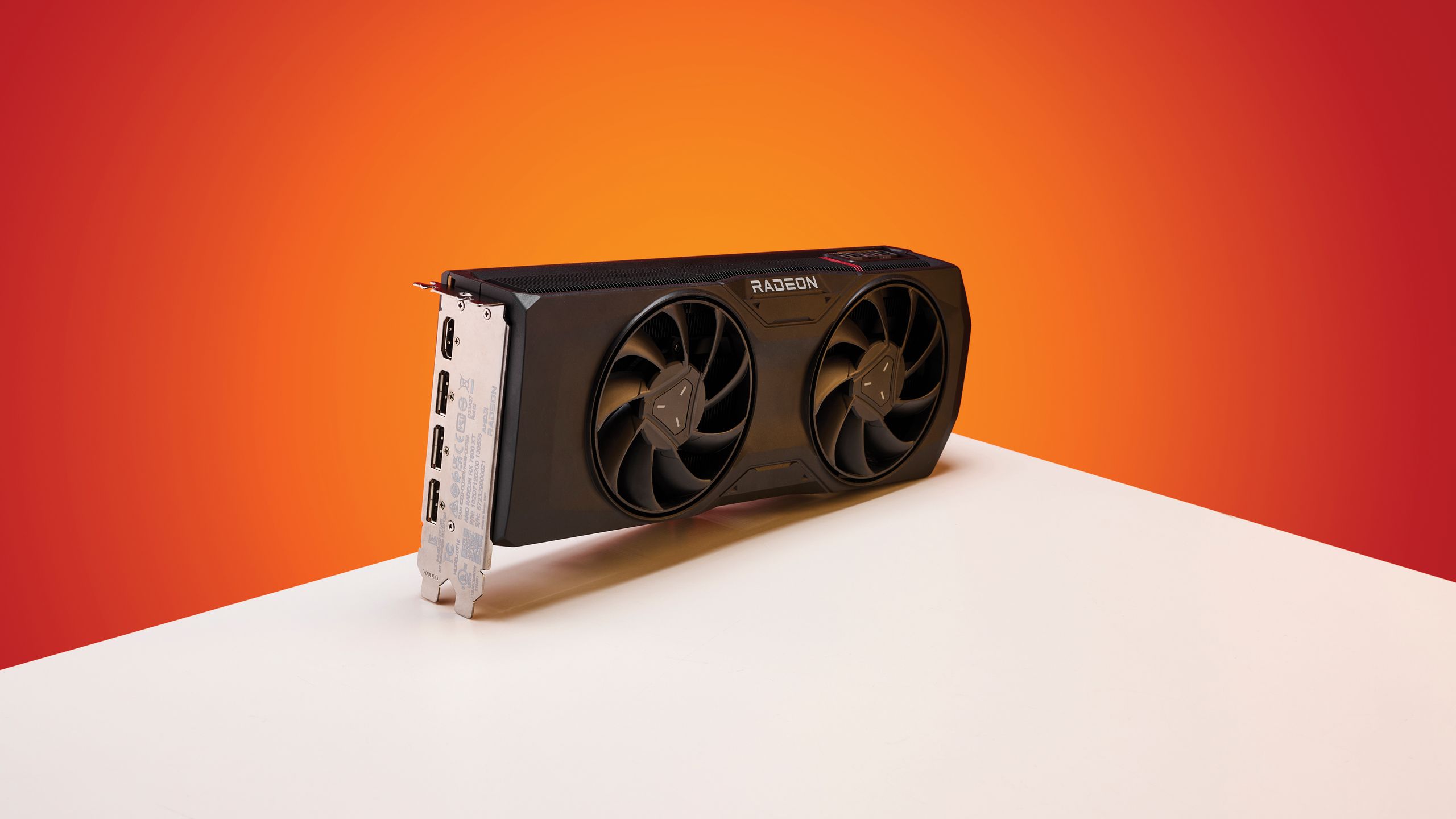
So, what are we even talking about with this RX 9070 GRE? It’s essentially a 12GB VRAM variant of AMD’s 9070 series, which, until now, featured larger memory pools on its more powerful siblings. This 12GB configuration was the exclusive domain of the Chinese market. The Sapphire Pulse model boasts a 2920 MHz boost clock, a 192-bit memory interface, and a power draw of 220W, requiring dual 8-pin connectors. It’s a card that slots into the competitive mid-range, aiming to offer solid performance without breaking the bank—especially if its pricing follows the expected under-$600 mark, a welcome prospect given the current GPU market. It’s designed with a dual-fan cooler, mirroring its non-GRE counterpart, the RX 9070.
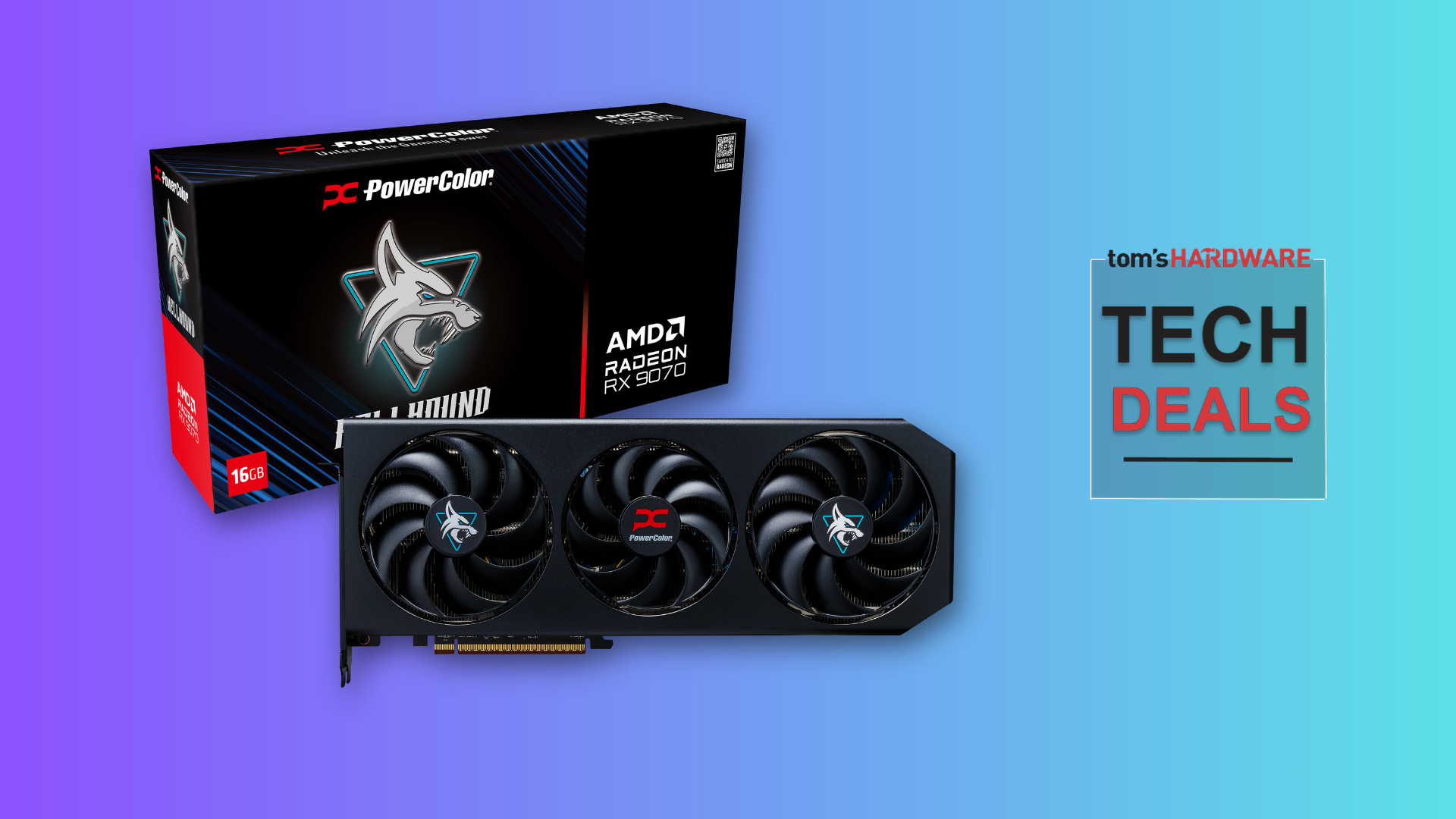
XFX also had a listing, a white triple-fan edition (Swift Radeon RX 9070 GRE), though it seems to have been pulled. This particular card features a cut-down Navi 48 die, packing 3072 stream processors and a boost clock near 2.79 GHz. While it sports a 192-bit memory bus and 18 Gbps memory, yielding about 432 GB/s of bandwidth, it retains the PCIe 5.0 x16 interface. Launched originally in China for around $620 (4199 Yuan), its US debut, even if unannounced, is a fascinating development.
Why Does This Regional Break Matter So Much?
This isn’t just about a new GPU hitting the shelves. It’s about the fundamental dynamics of the GPU market. For ages, we’ve seen certain chips or variants appear exclusively in one region, often due to supply constraints, regional demand strategies, or even specific partnerships. But the RX 9070 GRE’s quiet US appearance feels like a crack in that carefully constructed dam. It speaks to the increasing commoditization of AI-enabling hardware. As AI workloads become more generalized and demand for compute power explodes globally, these regional locks become less tenable. Companies are realizing that a global market, hungry for processing power, is far more lucrative than a fragmented one. This move could signal a future where high-performance computing components are less about where you are and more about your wallet.
And let’s be honest, the corporate PR machine would love you to think this is just a routine product expansion. But the fact that it surfaced, rather than being announced, suggests a more chaotic, perhaps opportunistic, market shift. It’s a bit like finding a rare ingredient in your local market that was supposed to be exclusively imported for Michelin-star restaurants. This implies that either AMD is more flexible than we thought, or that the channels for getting these chips out are becoming more varied—and perhaps less controlled by the original designers. It’s a wild card, and frankly, it’s exciting.
The current Amazon listings do not disclose the prices, but considering we have the RX 9070 listed for around $600-$650, the RX 9070 GRE should sell for under $600.
This quote really highlights the potential upside for consumers. If this card hits the US market at a price point significantly below its Chinese launch value, it represents a fantastic value proposition. It’s a proof to how market forces—and perhaps a bit of good old-fashioned retailer initiative—can influence product availability and pricing, pushing it into a more accessible tier. This isn’t just about AMD making a smart move; it’s about the market rewarding flexibility.
The Road Ahead: More Surprises?
What does this mean for the future? My guess is that we’ll see more of these “regional exclusives” start to pop up in unexpected places. As AI continues to democratize, and as the need for compute scales exponentially, silicon manufacturers will likely find it more beneficial to distribute their offerings as widely as possible. This isn’t just about gaming anymore; it’s about powering the next wave of innovation. The RX 9070 GRE’s subtle arrival is, in my view, a harbinger of that more open, more accessible future for advanced computing hardware. It’s a tiny crack, but it’s a crack that lets the light of a new era in.
🧬 Related Insights
- Read more: Chip Detects Free Radicals: Faster Field Analysis
- Read more: Chiplets Now Under the Crosshairs: New Attack Vectors Emerge
Frequently Asked Questions
What does the AMD Radeon RX 9070 GRE actually do? The Radeon RX 9070 GRE is a graphics processing unit (GPU) designed for PC gaming and general compute tasks. It features 12GB of VRAM and is based on AMD’s RDNA architecture, offering a balance of performance and price for its market segment.
Will this card be good for AI development? While primarily marketed for gaming, GPUs with significant VRAM like the RX 9070 GRE can be utilized for certain AI development tasks, especially for smaller models or inference. However, for heavy AI training, dedicated professional GPUs or higher-end consumer cards with more VRAM and specialized cores are typically preferred.
Is this an official AMD release in the US? The card has appeared on US retail sites like Amazon, listed by third-party manufacturers such as Sapphire. While AMD officially designated the RX 9070 GRE as a China-exclusive, its appearance in the US suggests a wider availability strategy or market response. It has not been officially announced by AMD for the US market at this time.