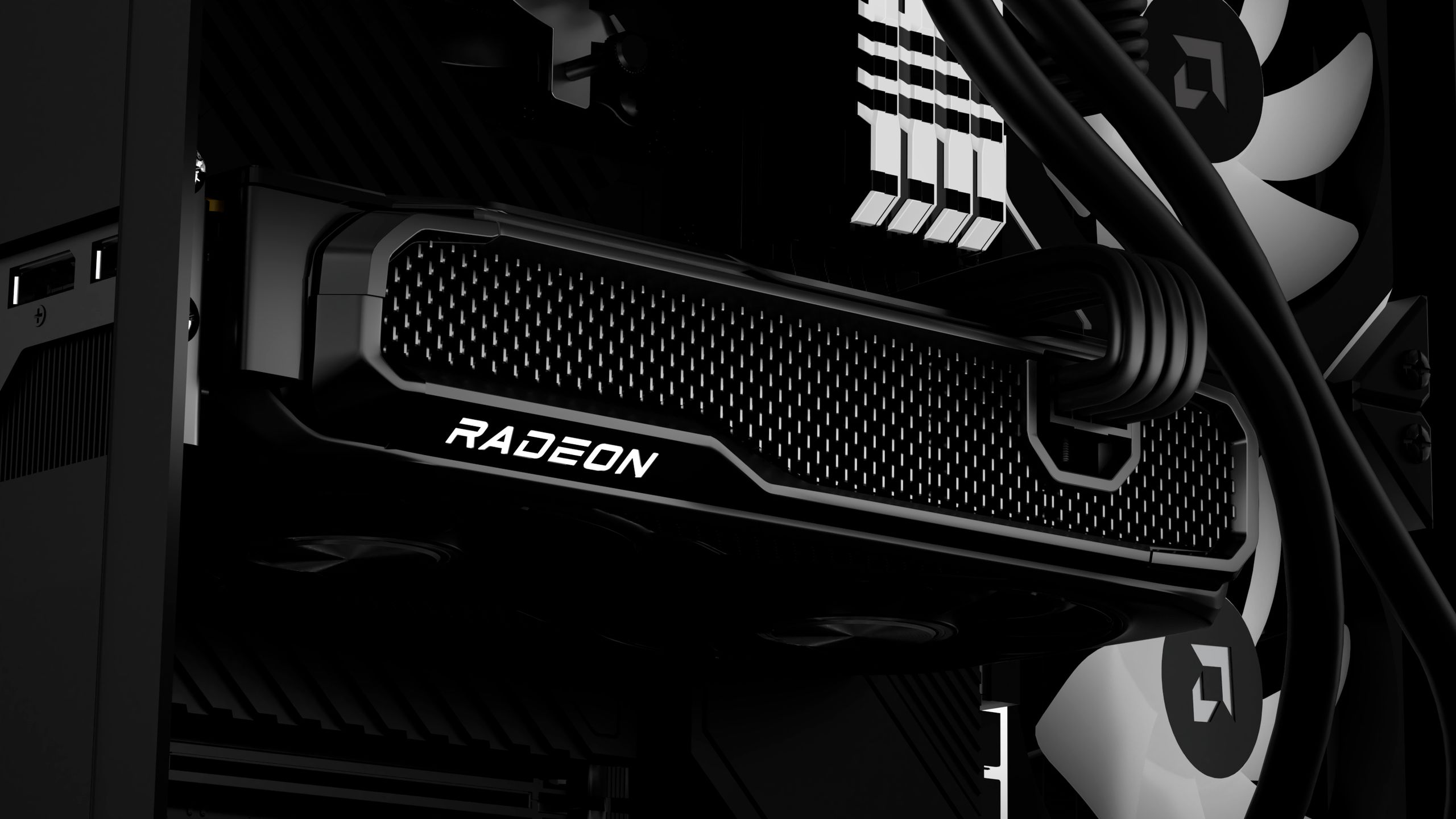
The faint glow of a monitor reflecting in a spilled coffee cup. That’s where the whispers about AMD’s next move in the ultra-competitive entry-level GPU market begin.
It’s easy to dismiss rumors, especially in the GPU space where Nvidia and AMD are locked in a perpetual arms race. But this latest murmur, concerning a purported AMD RX 9050, suggests something more than just a minor refresh. Videocardz, citing its own sources, paints a picture of an AMD RDNA 4 GPU, codenamed Navi 44, that’s throwing a wrench into the typical product hierarchy.
The headline grabber? The RX 9050 is reportedly shipping with 2048 cores. Now, that number alone might not raise eyebrows. What does, however, is that the vanilla RX 9060 — a card theoretically positioned above the 9050 — is said to pack only 1792 cores. This isn’t just a slight bump; it’s a fundamental inversion of expectations, a veritable core count conundrum.
Is the RX 9050 Actually an RX 9060 XT Rebrand?
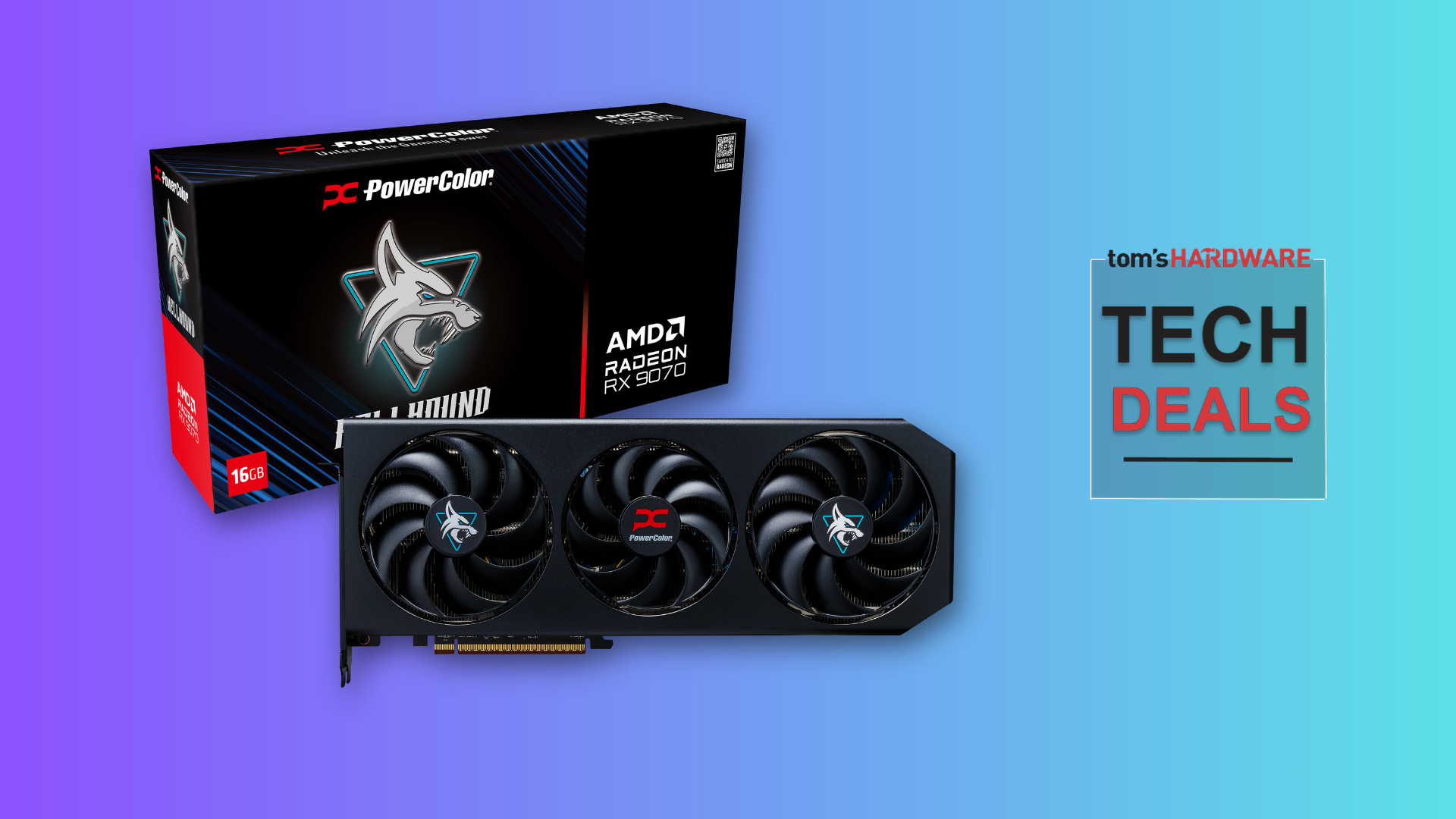
Digging into the reported specifications, the RX 9050 lines up eerily close to the existing RX 9060 XT 8GB. We’re talking 2048 cores, 8GB of GDDR6 memory clocked at 18Gbps on a 128-bit bus, and a game clock of 1920 MHz, climbing to a boost clock of 2600 MHz. The RX 9060 XT, for its part, also features 2048 cores and 8GB of VRAM, but nudges ahead with faster 20Gbps modules and higher clock speeds (up to 3.1 GHz boost).
This similarity raises a critical question: is AMD simply rebadging a slightly de-clocked variant of the 9060 XT to target a specific market segment, or is this a genuine architectural recalibration? The latter feels more likely, given AMD’s past moves. They’ve historically been willing to shuffle silicon around to hit price-performance targets. The fact that the RX 9060 is currently an OEM-exclusive, and the DIY market still lacks a truly budget-friendly RDNA 4 option, points to a strategic gap AMD is looking to fill with this potential 9050.
Why the Core Count Confusion Matters
The real story here isn’t just about which number is bigger. It’s about AMD’s apparent willingness to challenge the intuitive numbering scheme that consumers have come to expect. For years, a higher number meant more performance, more cores, more everything. Introducing a product that has more compute units than a seemingly superior sibling creates confusion, yes, but it also signals a willingness to tailor silicon precisely for market demand, rather than adhering to a rigid product stack.
The RX 9050’s unorthodox specifications (in reference to its nomenclature) suggest AMD wants a better SKU to compete against the RTX 5050, specifically one more powerful than the vanilla RX 9060.
This move is clearly aimed squarely at Nvidia’s upcoming RTX 5050. If early benchmarks hold any water, suggesting the RX 9060 can outpace Nvidia’s entry-level contender by a notable margin, then a SKU even more powerful than the 9060 makes strategic sense. The reported $289 price point for the RTX 5050 is a clear target, and AMD might be preparing to undercut it with a card that offers superior raw compute.
The architectural implication here is that AMD might have found a way to efficiently produce the Navi 44 die with a specific configuration – 32 Compute Units (CUs) yielding 2048 shaders – that is performant enough for this segment. Instead of crippling a more capable die (like the XT variant of Navi 44, potentially used for the 9060 XT), they’re carving out a specific performance tier. This is less about the number of cores and more about how those cores are clocked, powered, and binned. The rumored lower target board power compared to the 9060 XT suggests a focus on efficiency at a specific performance level, rather than raw, power-hungry brute force.
What’s fascinating is AMD’s apparent disregard for convention. If they wanted to compete with the RTX 5050, they could have simply launched a standard RX 9060 into the DIY market. But the creation of a new SKU, one that intentionally steps on the toes of its own numbering hierarchy, speaks to a more aggressive, market-driven approach.
Will Computex Reveal the Truth?
All eyes will be on Computex. While AMD won’t be holding a keynote, its board partners — the AIBs — are the true heralds of these new silicon announcements. If the RX 9050 is real, expect to see it splashed across partner booths. Until then, it remains a tantalizing glimpse into AMD’s strategy for dominating the entry-level GPU space, even if it means rewriting the rules of product nomenclature along the way.
🧬 Related Insights
- Read more: Semiconductor Geopolitics: CHIPS Act, Export Controls, and the Global Chip War
- Read more: AMD’s Ryzen 9 9950X3D2 Dual Edition: 208MB Cache Monster Redefines Gaming Silicon
Frequently Asked Questions
What is the rumored clock speed for the AMD RX 9050? Reports suggest a game clock of 1,920 MHz and a boost clock of 2,600 MHz for the RX 9050.
How does the RX 9050 compare to the RX 9060? The RX 9050 is rumored to have more cores (2048) than the vanilla RX 9060 (1792), though clock speeds and other specifications will determine the actual performance difference.
What is the target market for the RX 9050? The primary target appears to be the entry-level GPU market, directly competing with Nvidia’s upcoming RTX 5050, likely around the $289 price point.