AI runs locally.
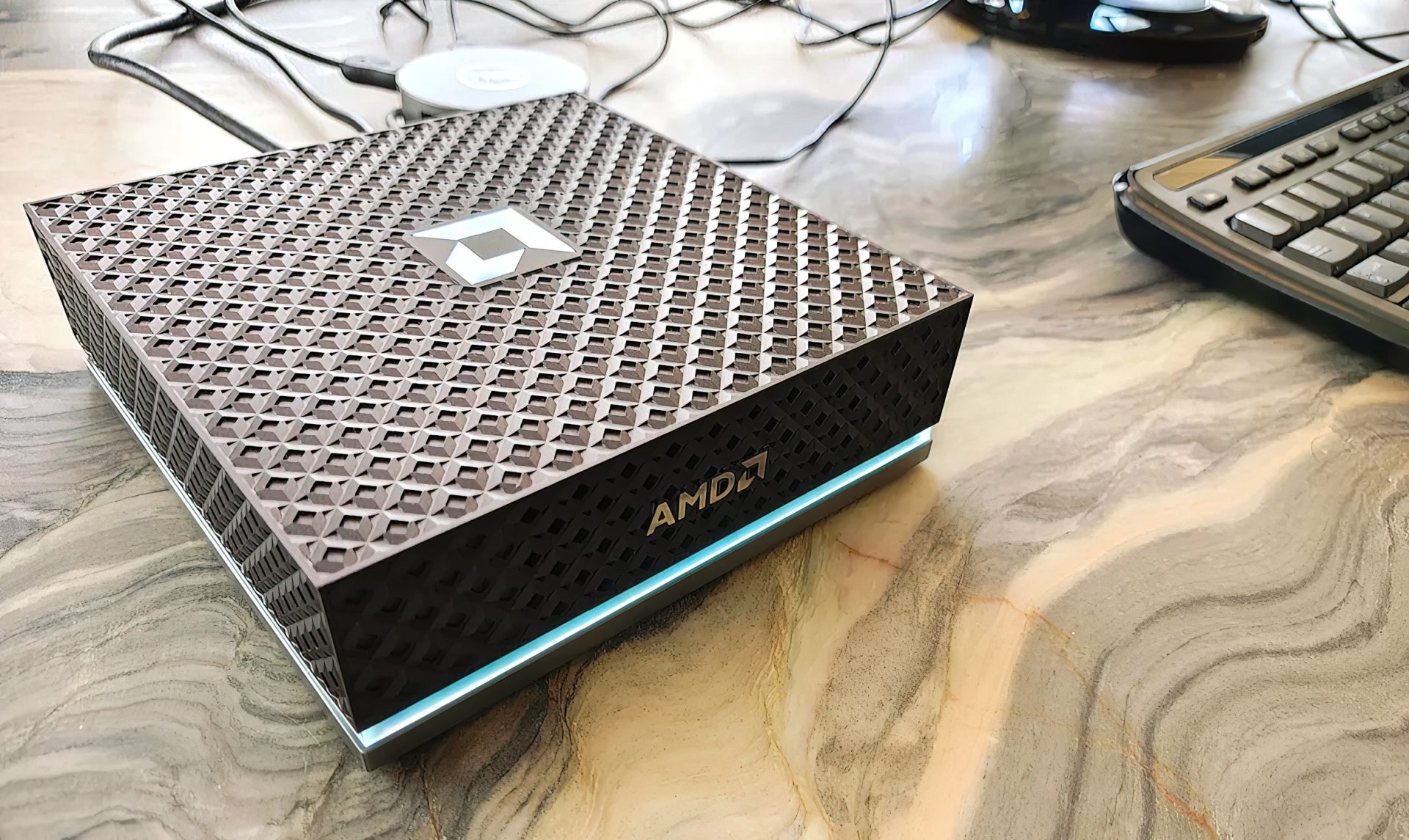
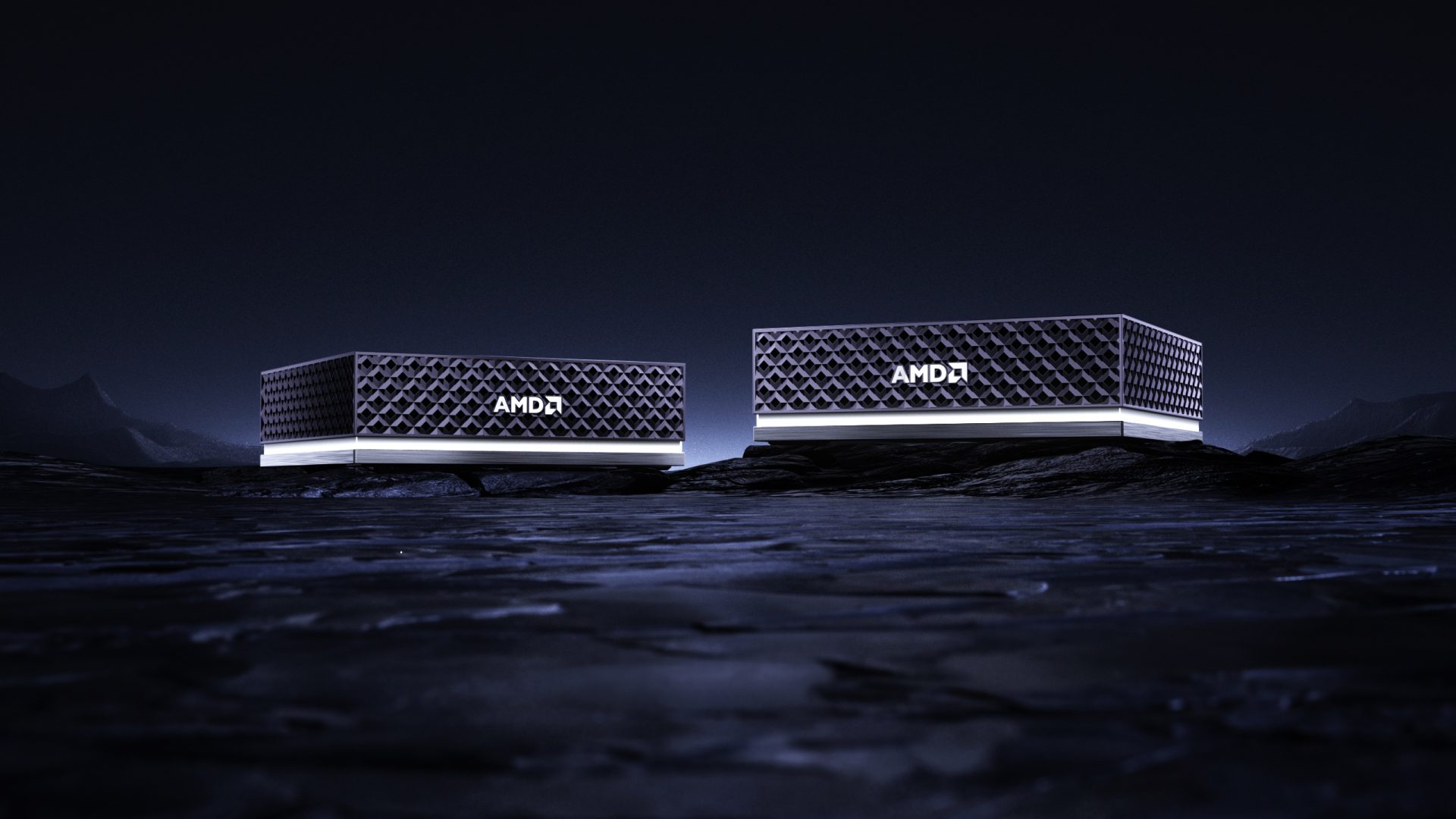
AMD’s latest gambit? The Ryzen AI Halo developer platform. They’re touting “leadership” token/$ value and a price tag that, while steep, they insist pays for itself in six months. Let’s break down whether this box of silicon and promises is actually a smart play or just another enthusiast toy. Because, let’s be honest, $3999 isn’t exactly pocket change for your average coder.
Is This AMD Box Really a Game Changer?
AMD’s pitch is simple: bring the AI processing power out of the nebulous cloud and onto your desk. They’re even slapping it with the label “Agentic AI capabilities,” which sounds fancy but essentially means it’s designed to run those complex AI models that are increasingly powering everything from chatbots to creative tools. The big draw? Its ability to handle models up to a staggering 200 billion parameters. That’s a lot of AI smarts to have humming away in your office, potentially reducing reliance on those expensive cloud subscriptions that are bleeding developers dry.
And here’s the kicker: they’re not just selling hardware; they’re selling a future where your AI workloads don’t require a second mortgage. Pre-orders start this June, and AMD is aiming squarely at NVIDIA’s Spark, which costs a hefty $680 more.
The Specs: More Than Just Pretty Lights
Under the hood, the Ryzen AI Halo is built around AMD’s Ryzen AI MAX 300 family, codenamed Strix Halo. Think of it as a miniaturized powerhouse. We’re talking Zen 5 CPUs, RDNA 3.5 graphics, and an XDNA 2 NPU pumping out 50 TOPS. This isn’t some underpowered integrated graphics chip; this is a dedicated AI engine. And to keep things chugging, it’s packed with up to 128GB of unified memory. That’s enough headroom to run some seriously beefy AI models locally, a feat that would have been unthinkable or astronomically expensive just a couple of years ago.
Forget lugging around giant servers or relying on flaky remote connections. This thing is designed to be compact, measuring a neat 5.9” x 5.9” x 1.7”. It even boasts Wi-Fi 7 and 10 Gbps Ethernet. It’s a developer’s dream machine, or at least, that’s what AMD wants us to believe. The whole package sounds pretty compelling, especially when you consider its modest footprint compared to some of the behemoths out there.
Software: The Unsung Hero (or Villain)
Hardware is only half the battle, though. AMD is also touting its ROCm software stack, including the latest ROCm 7.2.2. This is where the real magic, or potential frustration, happens. They claim it’s optimized for popular dev tools like LM Studio and ComfyUI, and promises day-zero support for leading AI models. This sounds great on paper. Developers have been clamoring for more open and accessible AI development tools. If AMD can deliver on this software promise, the hardware becomes significantly more attractive. But let’s not forget the history of ROCm – it’s been a bit of a rocky road, often trailing behind NVIDIA’s CUDA in terms of maturity and broad adoption. This time, AMD claims it’s different. They’re promising a smoother ride for AI developers.
AMD states that not every agent and workflow needs a frontier model, and most of the grunt work can be shifted to local instead of the cloud.
The Big Question: Does it Actually Save You Money?
This is where things get really interesting, and frankly, where AMD’s marketing department probably spent most of their time. They claim developers can save up to $750 a month by switching from cloud-based AI to local processing with the Ryzen AI Halo. Let’s crunch the numbers they’ve provided: a $3999 upfront cost, plus a theoretical $16.20 monthly electricity bill (assuming a “nightmare case” 150W draw). Compare that to the cloud services that can rack up over $750 per month. AMD’s math suggests a break-even point in just six months. After three years, they estimate you’ll have spent around $4500-$4600 locally, versus a staggering $25,000+ in the cloud.
This is a bold claim. If it holds true, it’s not just a hardware upgrade; it’s a fundamental shift in how developers can approach AI projects. The ability to experiment and iterate without constant cost anxiety is a massive draw. It democratizes powerful AI development, theoretically. But of course, the devil is in the details, and real-world usage is rarely as clean as a marketing spreadsheet.
So, Is It Worth Your $3999?
AMD is betting big on developers wanting more control and less recurrent expense. They’re directly challenging NVIDIA’s dominance in this space, and Apple’s Mac Mini isn’t looking so hot in their comparisons either – twice the max memory and the ability to run twice the model size. It’s a confident stance, almost aggressive. The promise of local, powerful AI development at a fraction of the long-term cloud cost is enticing. But the proof, as always, will be in the pudding. Can ROCm truly compete? Will these models run as smoothly as advertised? For developers feeling the pinch of cloud AI costs, this $3999 box might just be the most compelling investment they make this year. Or it could be another expensive paperweight. We’ll see.
Gorgon Halo: The Follow-Up Act
Just when you thought it was safe to open your wallet, AMD hints at an even beefier version coming in Q3 2026, the Gorgon Halo, powered by Ryzen AI MAX+ 495 SoCs and boasting a jaw-dropping 192GB of memory. They’re clearly not messing around; they’re building out a whole ecosystem.