A sales rep from a major HPC vendor leans back in a Zoom call, insisting AI’s boom is starving traditional high-performance computing workloads. Nonsense.
AI isn’t throttling HPC. It is HPC. That’s the blunt truth cutting through the vendor chatter and misguided headlines. High-performance computing—demanding workflows from drug discovery to weather modeling—never was a single app. It’s a category, broad as the industries it serves. And AI? Just the shiniest subset right now.
Why the Confusion Around AI and HPC?
Industry types love slicing markets into neat buckets. AI here, HPC there. But peek under the hood—both crave the same beastly infrastructure. Complex models. Massive datasets. Time-to-solution measured in hours, not weeks. Run an LLM training or a fluid dynamics sim on your laptop? Sure, if you enjoy waiting until retirement.
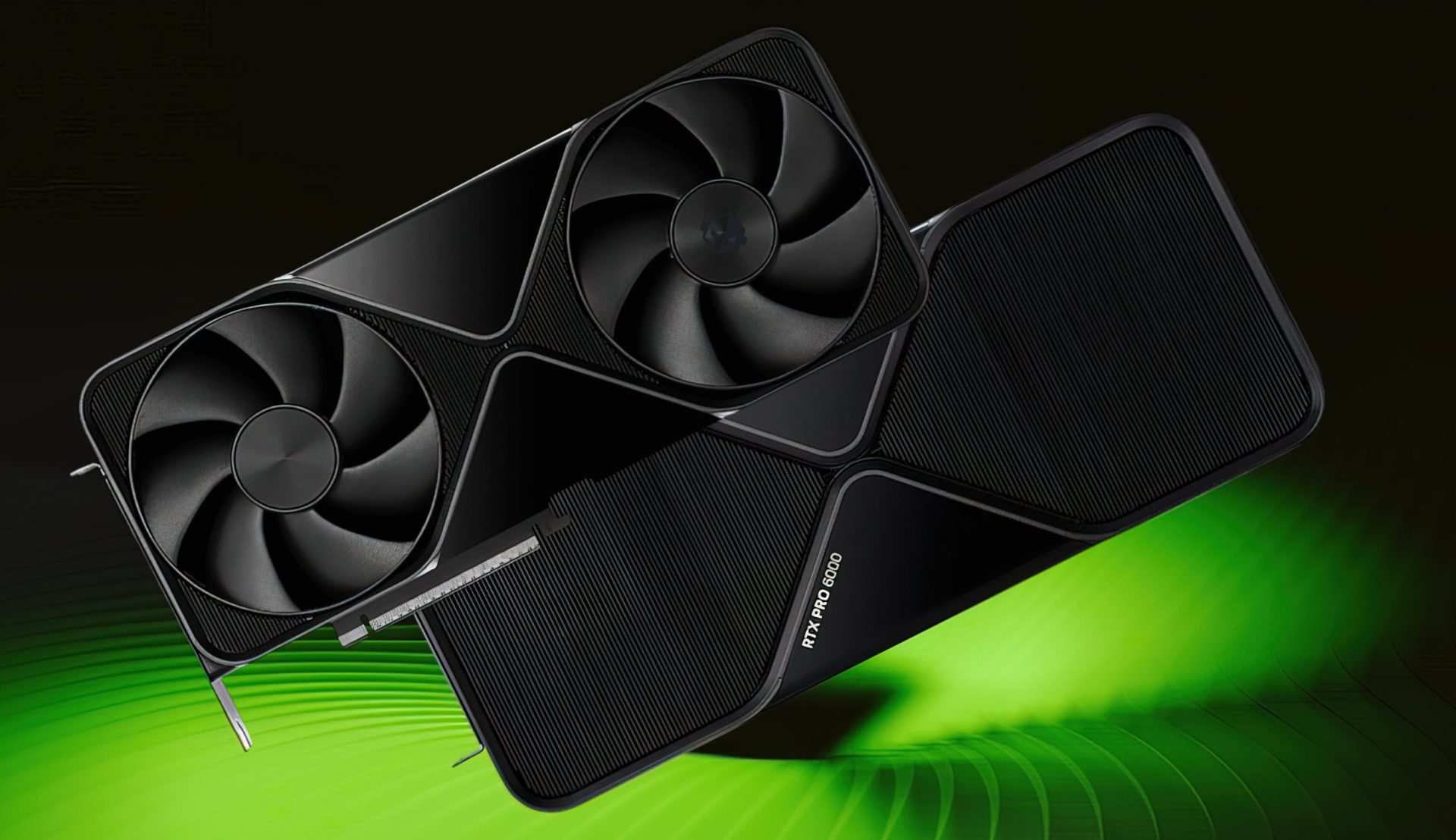
Traditional HPC—think simulating jet engines or protein folding—relies on clustered systems, fast interconnects, MPI orchestration. AI? Same stack, just swap in GPUs for the heavy lifting. Vendors peddling the ‘AI vs. HPC’ narrative? They’re the ones with skin in the game, reshaping sales pitches to chase the hot trend.
“AI is an important thing, and it seems to be gaining some visibility (insert a snarky phrase here) but it’s still a subset of HPC.”
That’s from the sharp-eyed analysis sparking this piece. Spot on. AI sellers might not slap the HPC label on their decks, but the gear—accelerators, high-speed fabrics, scale-out clusters—screams it.
HPC isn’t dying. Far from it.
Expect AI to infuse everywhere soon. Drug discovery grafting neural nets onto molecular sims. Fusion research predicting plasma quirks with ML. Even your microwave pinging ‘intruder’s heating leftovers’—that’s AI on lightweight HPC edges. New frontiers like personalized health analytics or cyber threat hunting? They’ll demand the full monty: high-performance systems at scale.
Is HPC Demand Really Falling Off?
Numbers? Analyst crystal balls shatter on this one. ‘AI spending’ versus ‘HPC spending’ turns into spreadsheet voodoo—financial filings massaged, press releases inflated. But here’s the unique insight: this mirrors the early 2010s cloud hype. Everyone fretted supercomputers were obsolete as AWS ate the world. Reality? HPC mutated, thrived in hybrid forms. Today’s AI frenzy? Same playbook. Markets expand as datacenters bolt on AI capabilities without ditching core sims. Weather forecasts won’t stop; they’ll get sharper with gen-AI overlays.
Traditional workloads persist—molecule-crunching, jetliner design, climate modeling. Add AI-driven pricing engines for flights or optimized farms. All HPC-like. The supplier ecosystem? Booming. Same silicon, same services, bigger scale.
But datacenters aren’t celebrating.
The Real Problem: 40kW Racks Melting Everything
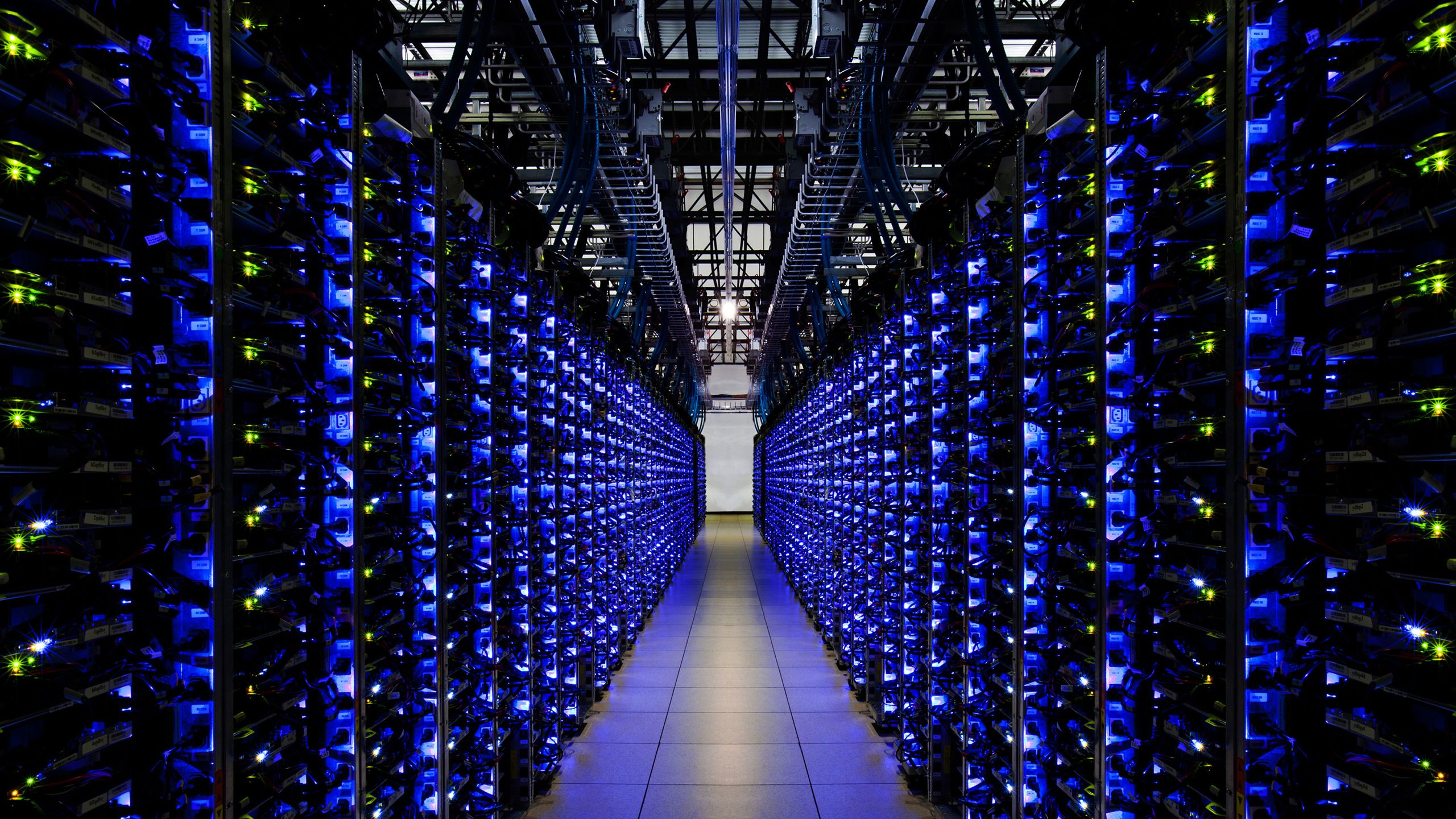
Pre-AI racks sipped 15-18kW at peak. Now? 40kW monsters, GPUs stacked like cordwood, pulling power like small towns. Cooling? Failing. Bills? Astronomical. Estimates scatter, but full AI racks hit 100kW in extremes—liquid cooling mandatory, facilities retrofitted or built from scratch.
Datacenters face a sea change. Remake IT for AI-infused apps, balancing scale, performance, cost. Power grids strain; utilities balk. Nvidia’s H100 clusters alone demand substation upgrades. Who’s making money? Hyperscalers with capex war chests, sure. But mid-tier players? Squeezed by upgrade bills that dwarf compute spend.
Vendors spin ‘efficiency gains’—yeah, FLOPS per watt inch up, but absolute power soars with model sizes. Throw in 100 billion parameters? Kiss your PUE goodbye. Historical parallel: the GPU shift in 2012. HPC resisted at first, then embraced—productivity exploded. AI follows suit, but power walls hit harder this cycle.
Skepticism warranted on rosy forecasts. PR machines churn ‘sustainable AI’ tales, but reality’s sweatier: permits delayed, expansions stalled. Prediction? By 2026, power-constrained regions like Europe force on-prem AI edges, splintering the cloud monopoly.
Why Does This Matter for Datacenter Operators?
You’re not just swapping workloads. You’re rebuilding. High-speed interconnects for distributed training mirror MPI clusters. Storage I/O explodes for petabyte datasets. Software stacks converge—Kubernetes orchestrating sims and inferences alike.
Cost control? Tricky. Capex balloons, but TCO hinges on utilization. Idle AI racks bleed cash faster than any sim farm. Solution? Unified fabrics, flexible accelerators. Firms like AMD, Intel push CPU-GPU hybrids for mixed loads. Winners blend AI and HPC smoothly.
The vendor whine about ‘falling HPC demand’? Self-fulfilling if they don’t adapt. But smart ones see expansion: AI grafting onto legacy workflows multiplies racks, not replaces them.
Power apocalypse looms larger than any ‘vs.’ debate.
Industry’s not sick. It’s bulking up—for better or for worse.
🧬 Related Insights
- Read more: 782 GB Checkpoints Are Bankrupting LLM Training—nvCOMP Fixes It in 30 Lines
- Read more: Intel’s Foundry Future: Musk’s Gambit Sparks Race for U.S. Silicon
Frequently Asked Questions
What is the difference between AI and HPC? AI is a subset of HPC, sharing infrastructure needs like accelerators, clusters, and high-speed interconnects for intensive compute tasks.
Is AI replacing traditional HPC workloads? No—AI enhances them, from drug discovery to manufacturing, expanding overall demand for high-performance systems.
What are the biggest challenges for AI and HPC datacenters? Skyrocketing power use (up to 40kW+ per rack), cooling failures, and grid constraints that demand total infrastructure overhauls.