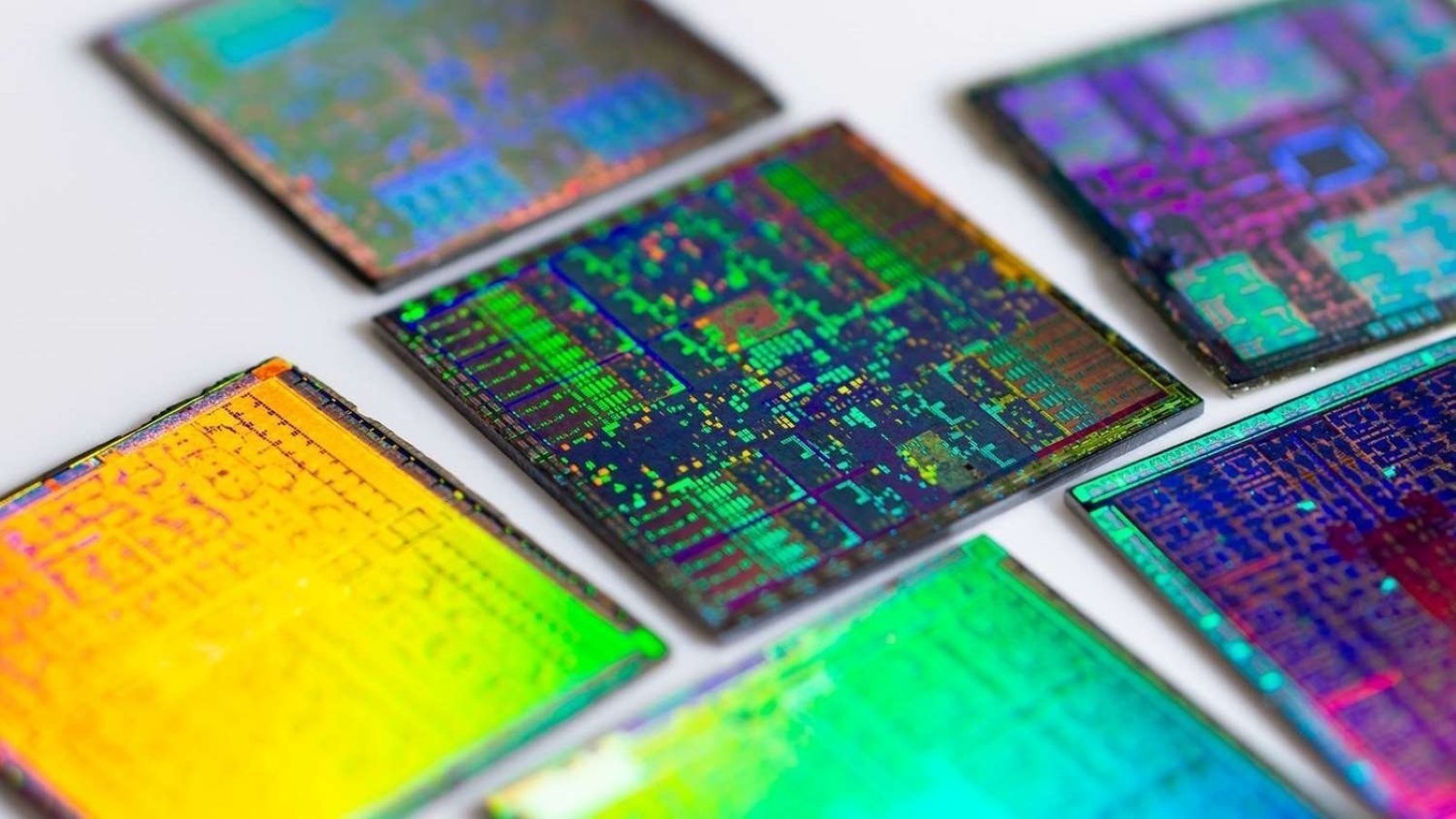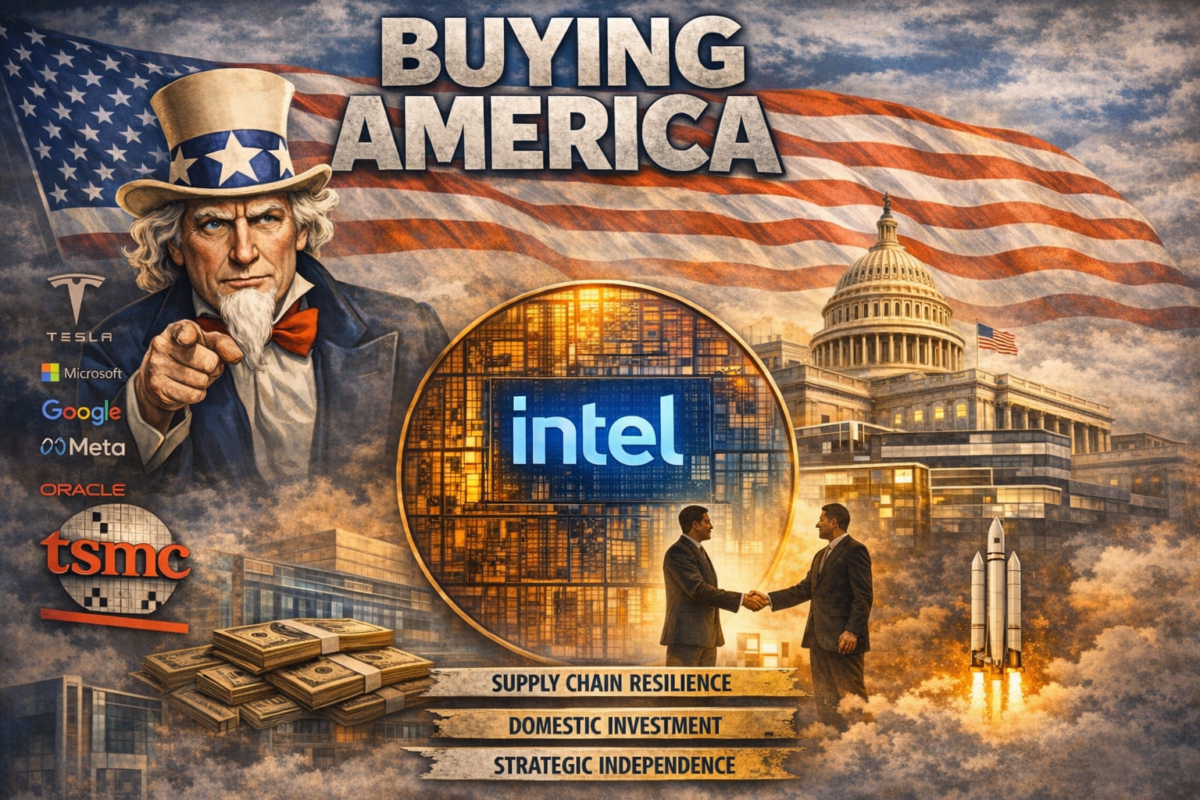
One stat that’ll stop your scroll: 440 million. That’s how many AI chips NVIDIA projected it would need to produce this year. Think about that for a second. Every single one of those needs a home, a physical place to be born, etched onto silicon. And right now, that home is overwhelmingly Taiwan, at TSMC. But what if that dependency is about to get a serious shake-up? What if a force of nature like Elon Musk is about to rewrite the script for U.S. foundry capacity? This isn’t your grandpa’s Intel comeback tale; it’s a seismic shift, an AI-powered platform revolution playing out in the heart of America’s chip manufacturing ambitions.
For years, the narrative around Intel has been one of a slow, arduous climb back from the precipice. A turnaround story, they say. But here’s the kicker: what if it’s not a scheduled airline flight with a predictable itinerary? What if it’s a charter plane, and Musk himself is the one filing the flight plan? It’s a wild analogy, I know, but bear with me. We’re talking about giants like Microsoft, Google, Meta, and Oracle, all diligently designing their own silicon. Their AI infrastructure, the very engine of their future, is being custom-built. And yet, they’re all still tethered, like a single point of failure in a massive chain, to TSMC for that leading-edge supply. That’s a choke point, and it’s getting tighter by the nanometer.
They need a second source. A credible, domestic, second source. And until now, that hasn’t exactly been on offer. Then, BAM. The Intel–Musk signal. A short statement, yes, but one loaded with unsaid volumes. It doesn’t read like a foundry just building capacity and hoping customers will show up. No, this feels different. This looks like a customer, a hugely influential one, actively moving to shape his own supply. It’s a proactive move, reminiscent of how Jensen Huang and NVIDIA have consistently committed to capacity at TSMC ahead of availability, aligning their entire roadmap to future supply instead of waiting for it to materialize. That’s how you build a competitive moat, by being the one who shaped the very ground you stand on.
Think back to Apple around 2010. They quietly began shifting their foundry strategy, inching away from Samsung and towards TSMC. They committed volume, they aligned their roadmap. And in return? Process priority. They pushed for aggressive node transitions, backed by significant volume commitments. This gave TSMC the confidence to pour billions into new capacity and cutting-edge process technology. Apple wasn’t just buying chips; it was securing its future, ensuring it always had first access to the newest nodes, sometimes even the ability to ramp up production at a scale no one else could touch. Their relationship evolved from supplier-customer to something far more profound: a true partnership, where Apple helped shape the factory itself.
Intel had its chance back then. Under Paul Otellini, they opted out of that kind of foundry relationship, at least on Apple’s terms. While TSMC was actively building its foundry business and roadmap based on customer demand, Intel… didn’t. And that, my friends, is where the seeds of its decline were sown. Intel’s very identity, its DNA, was once etched in its fabs. Think Andy Grove, Craig Barrett – manufacturing was king. But as leadership shifted toward sales, finance, and product ideation, manufacturing slowly drifted from the company’s core. Investments lagged, and the legendary 10nm node collapse became the starkest epitaph for a culture that had, sadly, begun to treat process technology as anything less than sacred.
TSMC’s meteoric rise wasn’t some random cosmic event that coincided with Intel’s stumble; it was a direct consequence. By the time Intel finally admitted it had fallen behind, the damage was extensive. The entire semiconductor ecosystem had, quite sensibly, aligned itself around TSMC’s design flows and packaging standards. Intel, once the undisputed titan, became increasingly isolated, a lonely island in a sea of TSMC dominance.
Then came Lip-Bu Tan. He’s not a traditional fab operator, but he possesses a panoramic understanding of the semiconductor ecosystem that Intel hadn’t seen in decades. His background spans EDA, IP, venture investment, and crucially, deep-seated relationships across TSMC, Samsung, and the entire fabless world. Under his purview, Intel’s foundry effort finally pivoted, shifting its focus squarely onto manufacturing execution.
This pivot made Kevin O’Buckley’s departure almost inevitable. The role he was hired for – making foundry a customer-facing business – no longer aligned with the emerging, manufacturing-first mandate. When he moved on, Tan seized the moment, resetting the foundation by elevating Naga Chandrasekaran, a seasoned manufacturing veteran. This was the start of rebuilding credibility, brick by painstaking brick.
The current mission: make Intel’s fabs relevant again. Tan is attempting to resurrect the manufacturing discipline that Intel so spectacularly walked away from. And Musk? He’s offering Intel an unprecedented catalyst to move faster. He represents a committed domestic customer whose roadmap is utterly dependent on execution. And let me tell you, this particular customer has zero patience for excuses. This couldn’t come at a more critical time, with geopolitical pressures making U.S. foundry capacity a strategic imperative that governments can no longer ignore.
Like Apple before him, Musk isn’t just looking to buy chips. He’s drawing the blueprints for a new era. Intel has already experienced the sting of saying ‘no’ once. If Musk pulls the trigger, you can bet he won’t be the only one. Every hyperscaler watching a credible U.S.-based foundry being pulled forward by such a major customer will crave exposure to that model. Each of them can commit independently – through capacity agreements, co-development projects, or even direct investment – all while aligning with their own strategic and political priorities. This is the domino effect in action.
But here’s the ultimate kicker: none of this — none of it — works if Intel can’t deliver. A bilateral deal isn’t a government subsidy, and mere ‘signaling’ won’t magically fix a broken process node. This potential deal forces execution into the blinding light of day, holding Intel accountable to customers whose very roadmaps depend on results. It thrusts Intel into the open market, facing scrutiny from clients whose futures are tied to its performance. TSMC thrived under that kind of pressure because it was built for it, forged in the fires of relentless demand. Intel is being asked to become something it has historically resisted: a foundry for hire, a manufacturing powerhouse driven by the needs of others.
If AI demand continues its insatiable climb, outpacing supply at every turn, and if control over silicon manufacturing becomes as strategically vital as controlling vast data centers, then the question isn’t if things will change, but who will move first to shape that change. And right now, Elon Musk might just be holding the match.
A New Partnership Dynamic
This isn’t just about Intel securing a customer; it’s about a customer actively shaping its supplier. The Intel-Musk signal hints at a deeper partnership, one where demand dictates development and supply chains are built to spec. It’s a echoes the strategic moves of Apple and NVIDIA, demonstrating that in the AI era, co-development and volume commitments are the new currency for securing cutting-edge silicon.
Why Does U.S. Foundry Matter So Much Right Now?
Geopolitical tensions and the ever-increasing strategic importance of semiconductors have made domestic chip manufacturing a national security imperative. The idea of a single nation controlling the most advanced chip production capacity is no longer tenable for global powers. A strong, domestic U.S. foundry capability, bolstered by major players like Intel and supported by tech giants, is seen as a crucial step towards technological sovereignty and supply chain resilience.
Can Intel Actually Execute?
This is the million-dollar question. Intel’s past struggles with its 10nm node and manufacturing execution are well-documented. The success of any potential deal with Musk hinges entirely on Intel’s ability to deliver on its promises. The pressure from a customer like Musk, coupled with the strategic imperative of U.S. foundry, could be the catalyst needed for Intel to rediscover its manufacturing prowess. However, execution remains the ultimate arbiter. The market will be watching closely.
🧬 Related Insights
- Read more: Southchip’s ‘No Fear to Fail’ Mantra: Real Edge or Just Hype?
- Read more: SK hynix’s Silver Tower Triumph: Fueling AI’s Memory Hunger
Frequently Asked Questions
What does the Intel-Musk signal actually mean? It suggests a potential collaboration where Elon Musk’s companies might become a significant customer for Intel’s foundry services, potentially shaping Intel’s manufacturing roadmap and capacity planning for advanced chip production, especially for AI.
Will this deal secure U.S. AI chip supply? It has the potential to significantly bolster U.S. domestic foundry capacity, offering a critical second source for leading-edge chips. However, the actual impact depends on Intel’s ability to execute and deliver at scale, and whether other major tech players follow suit.
Is Intel really turning itself around? This potential deal is a strong indicator that Intel is serious about its foundry ambitions. A major customer like Musk would validate its efforts and force accountability. However, the true test of its turnaround lies in its consistent, high-volume manufacturing execution on advanced nodes.