Energy crisis.
Yeah, that’s the polite way of saying it. Look, I’ve been covering this circus for two decades, and every few years, a new buzzword rolls in, promising the moon. This time, it’s AI. And it’s gobbling up power like a sumo wrestler at a buffet. The numbers are stark: AI training compute for those bleeding-edge models? Skyrocketing 4-5x a year. This isn’t just about buying more servers; it’s about needing entire new power plants, and frankly, the grids aren’t ready. We’re talking tens of megawatts per installation, scaling towards gigawatt campuses. It’s not a tech problem anymore, folks. It’s an energy, infrastructure, and frankly, a policy nightmare. Who is actually making money here? Mostly the folks selling the servers and the power, I’d wager.
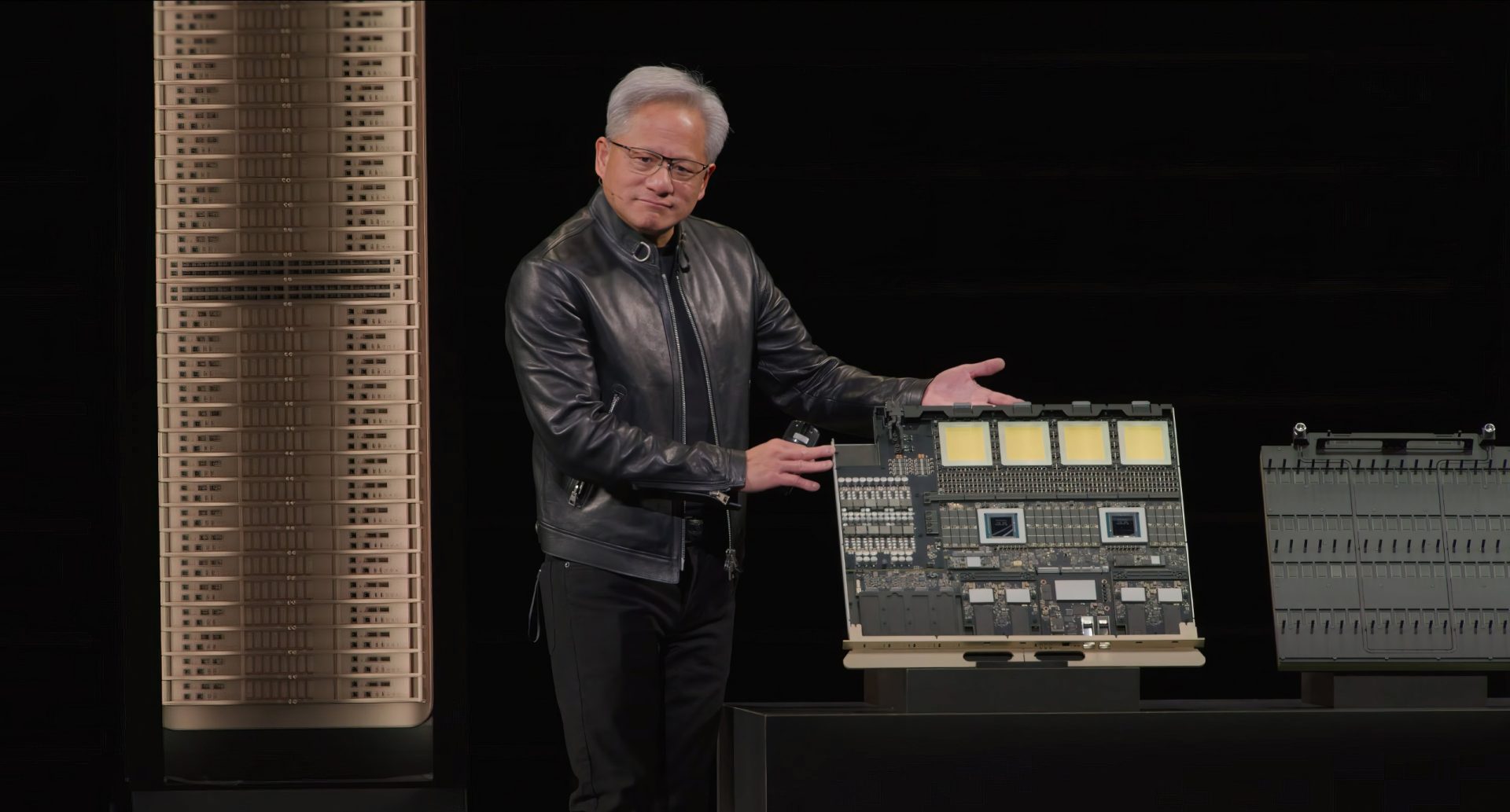
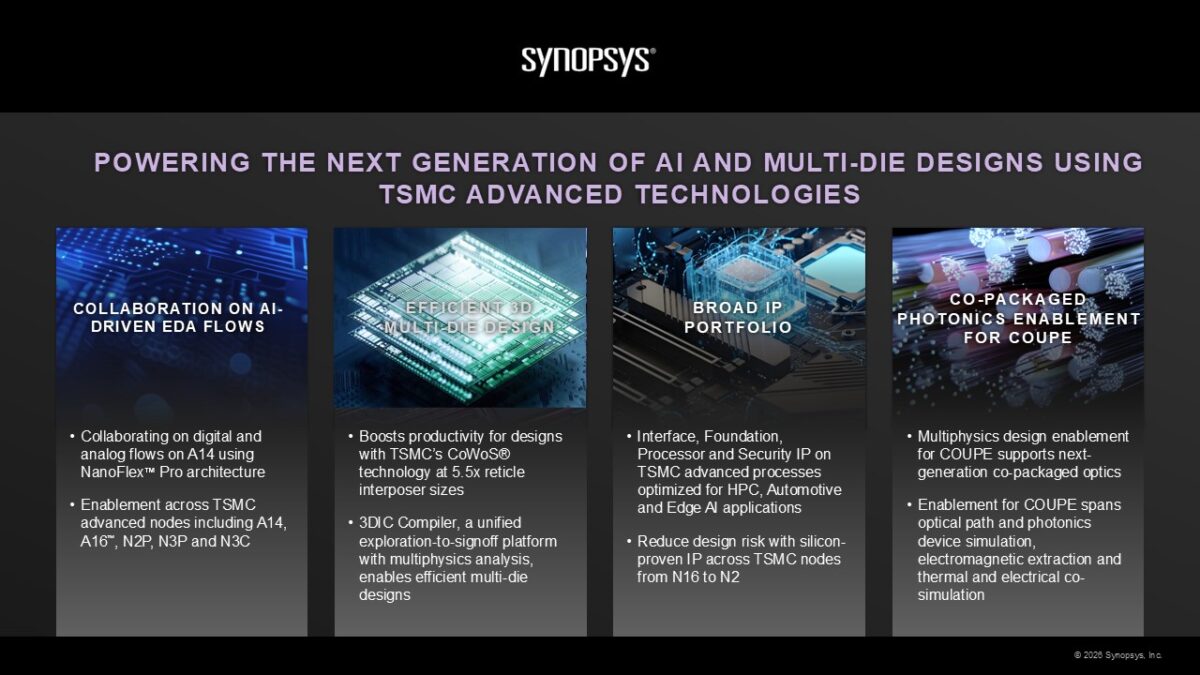
For decades, we’ve seen these incremental gains on the chip front, right? Efficiency leaps were the darling of every product launch. But that well is starting to run dry, or at least, it’s not deep enough for the AI beast. The paper here makes a decent point: it’s not just about the processor anymore. A huge chunk of that juice gets sucked down by moving data around. Think about it: shuffling bits across boards, through networks – it’s often way more expensive energy-wise than the actual crunching of numbers. So, locality, as they put it, isn’t just a nice-to-have; it’s becoming a hard-coded necessity for survival. And that means we’re finally talking about advanced packaging, 2.5D and 3D integration, getting compute, memory, and I/O all chummy. Photonic interconnects, new low-power materials – it’s a whole system play, not just a chip trick.
But here’s the kicker: hardware moves at a glacial pace compared to software. Developers are spinning out new AI models every few months, while silicon takes years to design and build. This disconnect is going to be a constant headache. We can’t just expect engineers to magically sync up decades of engineering with rapid-fire software sprints. We’re going to see more software tricks, like offloading tasks, fiddling with data precision (which, let’s be honest, can lead to some wonderfully wrong answers sometimes), and distributing compute between the cloud and the edge. It’s all about mitigating risk and building resilience, because the AI landscape is about as stable as a toddler on a sugar rush.
And let’s not forget the shiny new toys on the horizon. Quantum, neuromorphic, photonic – they’re all being waved around like magic wands. The truth is, they’ll likely coexist, complementing classical computing where they make sense. Quantum won’t replace your laptop anytime soon, but it might crack specific problems that classical machines choke on. The point is, we need a unified approach. Systems need to be designed so these diverse computing modalities can play nice together, whether it’s in your pocket, a mega-data center, or somewhere in between.
The opportunity—and necessity—therefore lies in cross-layer optimization: efficient compute, efficient communication, and intelligent power management across the entire system. Not surprisingly, advanced packaging and integration are becoming central to performance.
This isn’t just about making chips smaller or faster. It’s about a fundamental rethinking of how we build computing infrastructure. The energy demands of AI are forcing a level of system-level co-design that’s frankly long overdue. We’re talking about an entire ecosystem, from the silicon itself to the power grids that feed it. The question remains: who’s going to invest the massive capital needed for this holistic overhaul, and how will the costs be distributed? My money’s on the usual suspects finding new ways to charge us more for the privilege of progress.
Is This Just More Hype?
Honestly? A bit of both. The energy challenge is undeniably real. The sheer scale of AI’s hunger is unprecedented. But the proposed solutions – co-design, advanced packaging, system-level optimization – aren’t exactly brand new concepts. They’re just being applied with a new, urgent intensity. The “hype” comes from the framing, the promise of a unified, elegantly solved problem. The reality is a messy, expensive, and drawn-out engineering battle. Who benefits most? The companies that can provide these integrated solutions and the infrastructure to support them. Think NVIDIA, TSMC, perhaps cloud giants building their own bespoke systems.
Who’s Actually Going to Pay for All This Extra Energy?
Ah, the million-dollar question. Or rather, the multi-trillion-dollar question. The authors suggest a broad “system-technology co-optimization.” In plain English, that means everyone’s going to chip in. Companies building AI models will absorb higher compute costs. Data center operators will need to invest heavily in power infrastructure and cooling, passing those costs onto their clients. Chip manufacturers will push for higher prices on more complex, integrated silicon. And ultimately, consumers? We’ll likely see it trickle down in the form of higher subscription fees for AI-powered services, more expensive cloud computing, and maybe even pricier electronics. It’s the classic tech cycle: innovation is funded by escalating costs, which are eventually shouldered by the end-user.
🧬 Related Insights
- Read more: Memorial Day Tech Deals: RTX 50-Series GPUs & Ultra CPUs Appear
- Read more: Japan’s Big 5 Unite for Perovskite Solar: The Future is Now!
Frequently Asked Questions
What does AI energy demand mean for the environment?
The escalating energy consumption of AI poses significant environmental challenges, primarily contributing to increased greenhouse gas emissions if power sources are fossil fuel-dependent. It also puts pressure on water resources due to cooling demands in data centers.
Will AI ever become energy efficient?
AI is constantly improving its energy efficiency through algorithmic optimizations and hardware advancements. However, the overall energy demand is likely to continue growing due to the increasing complexity and scale of AI models and applications, even with efficiency gains.
Can quantum computing solve AI’s energy problem?
Quantum computing is not expected to solve AI’s energy problem directly. While it can offer massive speedups for specific types of calculations, it’s a complementary technology, not a replacement for classical computing. Its own energy requirements are also significant and will rely on sophisticated classical infrastructure.