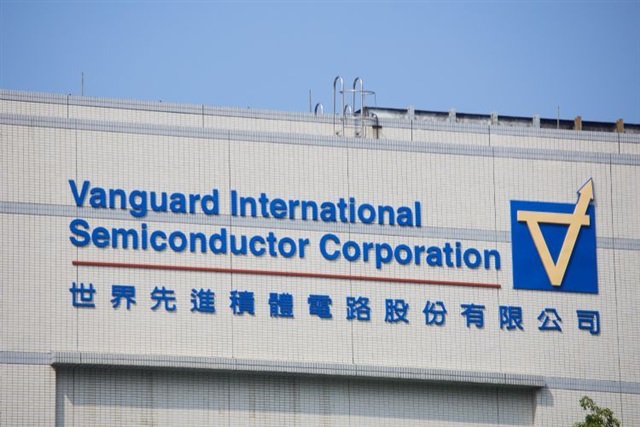
So, what does this all mean for you, the actual human who has to pay for things? It means your next phone, your souped-up gaming rig, or even that fancy new smart fridge might be getting a little pricier, and you can thank the AI gold rush. Vanguard International Semiconductor (VIS) is telling us, loud and clear, that the demand for artificial intelligence is so hot, they can afford to jack up prices. And guess what? People are paying it.
It’s a classic tale of supply and demand, supercharged by a technology that’s currently captivating the world like a shiny new toy. VIS isn’t just nudging prices; they’re talking about stronger growth and better performance in the second quarter of 2026, all thanks to the relentless appetite for AI processing power. Wafer shipments are expected to tick up, but the real kicker is that they’re getting paid more for each one.
Here’s the thing: we’re not talking about a slight adjustment. This is a company signaling serious pricing power. They’ve weathered the storm, and now they’re riding the AI wave right to the bank, with consumers implicitly footing the bill. It’s the kind of use that makes CEOs sleep soundly at night, even if it means tighter budgets for the rest of us.
The AI Tax Arrives
This isn’t some distant future scenario. VIS is already seeing the benefits, and their projections for 2026 are buoyed by these early successes. It’s a clear indicator that the AI boom isn’t just about innovation; it’s about economics, and right now, the economics favor the chip makers. They’ve managed to make their chips indispensable, allowing them to dictate terms. We’re essentially paying a premium for the privilege of owning devices that can do more, or at least, promise to do more, powered by these cutting-edge components.
It’s a cycle that’s been seen before. When a new technology captures the public imagination and business world alike, early adopters and key suppliers often see their margins soar. Think back to the early days of personal computers or the smartphone revolution. Those who controlled the essential components often reaped the biggest rewards. AI is no different, and VIS is clearly positioned to be one of those beneficiaries.
Buoyed by strong demand for artificial intelligence and the early success of price increases, Vanguard International Semiconductor Corporation (VIS) is projecting a stronger performance for the second quarter of 2026, with wafer shipments expected to…
This isn’t just about semiconductors; it’s about the commoditization of intelligence. As AI becomes more embedded in our daily lives, the components that enable it become more valuable. And when demand outstrips immediate supply, especially for specialized chips, prices naturally climb. VIS is essentially telling the market that the future is AI-driven, and they have the keys to that kingdom.
Is This Just More Corporate Spin?
Of course, companies like VIS are always going to put a positive spin on their outlook. They’re talking about growth, innovation, and meeting demand. But beneath the corporate jargon, there’s a raw financial reality. They’ve found a way to charge more for their products, and the market is accepting it. That’s the bottom line. The AI boom isn’t just fueling new products; it’s fueling higher profits for the companies that make the magic happen.
It begs the question: at what point does the AI tax become too much for the average consumer? When will the cost of doing business in the AI era price out those who aren’t on corporate expense accounts? VIS’s forecast suggests we’re not there yet. Not even close.
This feels less like a surge of innovation and more like a calculated economic maneuver. They’ve identified a critical bottleneck and are capitalizing on it. It’s smart business, certainly, but from a consumer’s perspective, it’s a reminder that progress often comes with a price tag. And right now, that price tag is getting steeper for AI-powered everything.
My unique insight here? This isn’t just about VIS. This signals a broader trend: the commoditization of AI hardware is leading to a de-commoditization of the price. Companies that were once competing on price are now leveraging demand for specialized AI chips to reclaim pricing power. It’s a replay of the smartphone chip wars, but with AI as the new megawatt star. Expect this pricing use to trickle down to every sector that relies on advanced silicon.
What Does This Mean for You?
Ultimately, the average person will feel this in their pocketbook. That next laptop upgrade, that new smart speaker, that AI-accelerated camera in your phone – they’re all likely to see price bumps tied directly to the cost of the sophisticated chips powering them. VIS is a foundry, a manufacturer of the silicon brains. When the foundries can charge more, everyone up the chain eventually does too.
It’s a stark reminder that the dazzling capabilities of AI don’t materialize out of thin air. They require immense manufacturing prowess, and companies like VIS are essential to that process. Their current market position allows them to command higher prices, and they’re not shy about it. So, the next time you marvel at a new AI feature, spare a thought for the silicon beneath the hood – it’s getting more expensive to make, and you’re helping to pay for it.