A data scientist in a dimly lit San Francisco office watches her laptop fan scream as a 5TB dataset crawls through pandas at a snail’s pace.
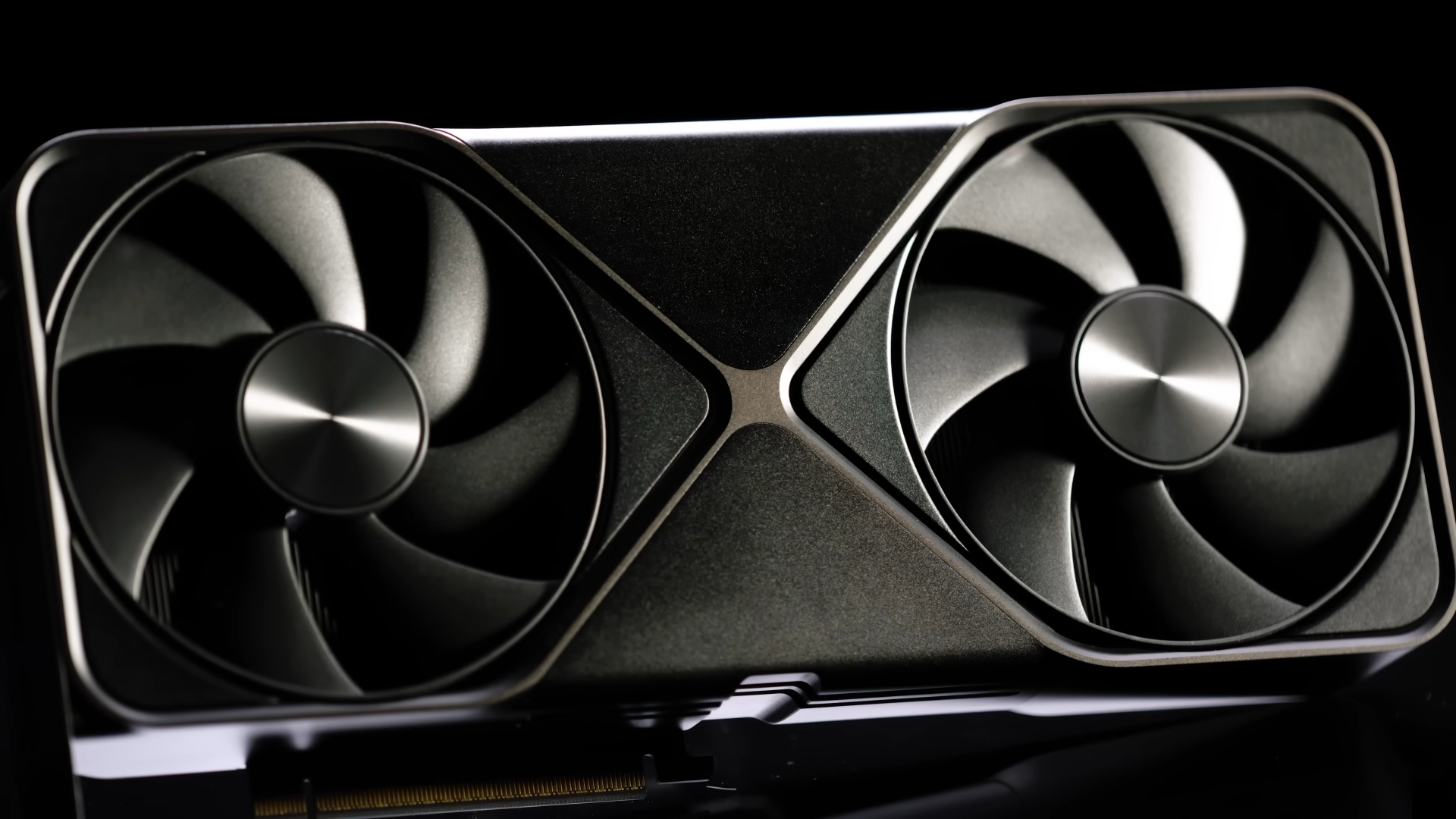
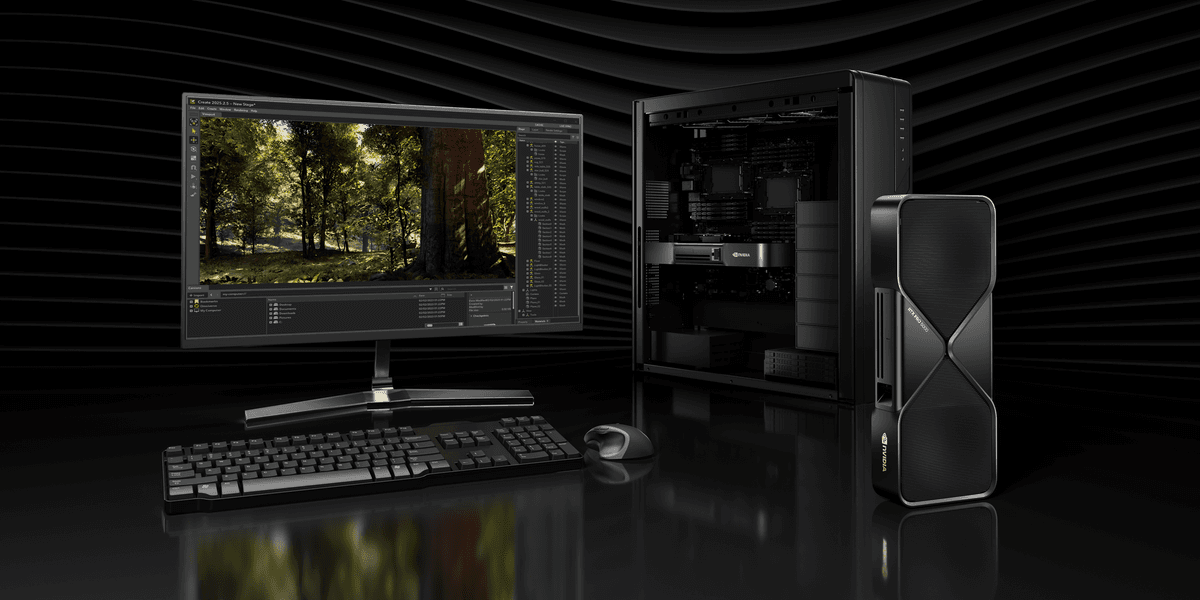
That’s the scene NVIDIA wants to obliterate with its RTX PRO 6000 Blackwell Workstation Edition. This beast — powered by Blackwell architecture — crams up to four Max-Q GPUs into a desk setup, mimicking data center performance without the server rack. Market data backs the need: Gartner pegs enterprise AI spending at $97 billion this year, yet 80% of data pros still wrestle with prep times eating 70-80% of their workflows, per surveys. NVIDIA’s pitch? Slash that with GPU acceleration, hitting 50x gains via cuDF library. But here’s my take — it’s a smart play in a GPU-starved world, echoing Tesla’s 2012 workstation pivot that birthed deep learning booms, though today’s supply crunch (Blackwell demand outstripping fabs by 2x, whispers from TSMC insiders) could turn gold into fool’s gold.
The Benchmarks Don’t Lie — Mostly
NVIDIA’s numbers pop. Take cuDF, their GPU drop-in for pandas.
For example, a join operation that takes nearly 5 minutes on CPU completes in just 14 seconds on GPU. Advanced group by operations drop from almost 4 minutes to just 4 seconds.
That’s not fluff — independent tests on A100s (predecessors) confirmed similar leaps, and Blackwell’s FP4 precision should widen the gap. XGBoost training? Weeks to minutes. Feature engineering on messy, million-row CSVs? Seconds. PNY Technologies, the OEM pusher here, bundles it with ConnectX networking for multi-GPU chatter. Fact: Workstation GPU shipments grew 25% YoY per Jon Peddie Research, as firms balk at cloud bills averaging $500k/year per team.
But — and it’s a big but — these wins shine brightest on massive, tabular data. Image gen or LLMs? You’ll still crave H100 clusters. NVIDIA’s PR spins ‘end-to-end pipeline,’ yet benchmarks cherry-pick ETL tasks, glossing diffusion models where CPUs aren’t even competing.
Can RTX PRO 6000 Blackwell Ditch Your Cloud Bill?
Cloud dependency’s a trap. AWS P4 instances cost $32/hour; a single RTX PRO rig at ~$20k (estimates, pre-pricing) pays off in months for heavy users. Security angle seals it — keep IP on-prem amid breaches hitting 30% of firms yearly (IBM data). Multi-user via AI Workbench? Slick for teams, syncing desktop-to-cloud without recoding.
Look, enterprises hoard GPUs. Supply’s tight: NVIDIA’s Q2 earnings hinted Blackwell ramps lag H100 by quarters, CSPs gobbling 70%. Result? Workstations become the backdoor for SMBs locked out of DGX pods. My prediction: This captures 15-20% of dev-tier AI market by 2025, siphoning $5B from hyperscalers — if PNY scales OEMs fast.
Short para. Supply kills dreams.
Why Data Scientists Might Skip the Hype
Data prep sucks. It’s 80% grunt work — cleaning, imputing, scaling. Traditional rigs downsample, botching models. RTX PRO flips that: cuDF handles 100GB+ without sweat, PyData viz pops interactively.
Yet skepticism creeps. “Transformative,” they crow, but CUDA-X lock-in means Python devs win, R or Spark folks adapt or die. Enterprise software stack’s strong — zero-code for 100+ apps — but what about legacy? And cost control? Sure, offload data centers, but $20k+ per seat scales poorly for 50-person teams versus spot instances.
Wander a sec: Remember Volta-era Quadro hype? Promised desk ML, delivered niche wins. Blackwell’s Tensor Cores and 2x memory bandwidth (192GB GDDR7 est.) push further, but PR’s same playbook — sponsored gloss from PNY screams sales pitch.
Four GPUs. Desk-level. Wild.
Teams iterate faster. Prototyping soars. Collaboration via Workbench bridges silos. Uptime? Enterprise-grade, with redundancy PNY touts.
Is This the Workstation Endgame for AI?
Not quite. It’s a wedge. Blackwell’s server dominance (B200s crushing Hopper) trickles to prosumers, much like RTX 4090 fueled hobbyist AI before A100 mandates. Critique: NVIDIA ignores power draw — 600W+ per GPU means beefy PSUs, cooling nightmares for non-pro builds. Green angle? GPUs sip TCO versus idle clouds, but fabs’ water guzzle offsets.
Bold call — if supply stabilizes, RTX PRO workstations snag 30% of new AI dev seats, pressuring Dell/HP to pivot. Fail, and it’s vaporware in a shortage saga.
🧬 Related Insights
- Read more: Intel Core Ultra 270K: Killer Specs, Murderous Market
- Read more: VSORA’s Memory Wall Breakthrough: Can This French Upstart Reshape AI Inference?
Frequently Asked Questions
What does NVIDIA RTX PRO 6000 Blackwell Workstation Edition do?
It accelerates data science pipelines with up to 4 GPUs, delivering 50x speed on tasks like joins and group-bys via cuDF, from prep to training.
How much faster is RTX PRO 6000 for data preparation?
Up to 50x versus CPU pandas; e.g., 5-min joins drop to 14 seconds, per NVIDIA benchmarks.
Is NVIDIA RTX PRO 6000 Blackwell worth buying now?
For GPU-rich teams dodging clouds, yes — payback in months. Wait if supply’s your bottleneck; check Q4 availability.