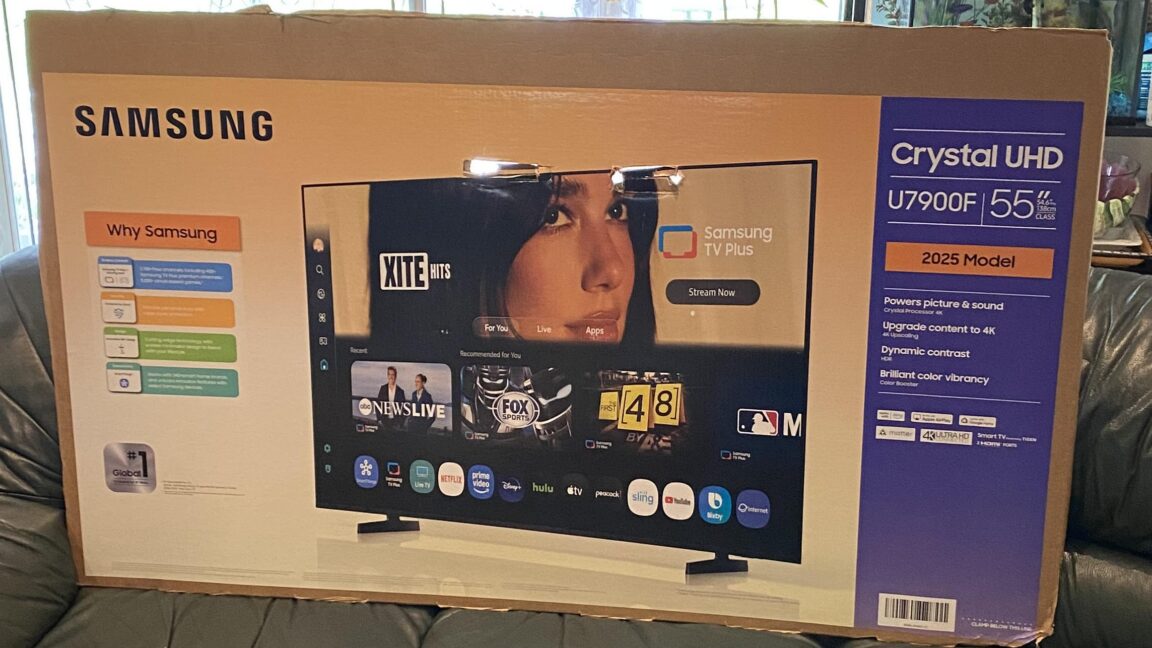
Does a 90% profit erosion warrant a radical overhaul, or is it just another quarterly scramble? Samsung Electronics, a titan in the consumer electronics space, is reportedly initiating a massive restructuring of its home appliance business. The goal? To reverse a profitability slide that has, by all accounts, been nothing short of catastrophic. We’re talking about a 90% plunge in profits, a figure that sends shivers down the spine of any publicly traded company. The strategy, as leaked through South Korean media outlets, leans heavily on increasing outsourced production and aggressively streamlining operations. It’s a playbook that’s as old as manufacturing itself, but its success hinges entirely on Samsung’s execution and the underlying market dynamics it’s trying to navigate.
Why the drastic measures? The numbers don’t lie. A 90% profit erosion isn’t a minor hiccup; it’s a business-threatening implosion. This isn’t just about Samsung’s bottom line; it’s a stark indicator of the fierce competition and margin pressures plaguing the global home appliance market. Consumers are increasingly price-sensitive, and the cost of innovation, coupled with supply chain complexities, has squeezed manufacturers from every angle. Samsung, a company synonymous with premium products and cutting-edge technology, is finding that even its brand cachet isn’t enough to offset these headwinds.
Outsourcing: A Risky Bet or Smart Play?
The cornerstone of Samsung’s new strategy appears to be a significant pivot towards outsourced production. Historically, Samsung has prided itself on its vertical integration, controlling much of its manufacturing process. This move signals a departure, suggesting that the cost savings and operational efficiencies gained from external partners might outweigh the risks associated with reduced in-house control. Think about it: why invest billions in maintaining sprawling manufacturing facilities when a specialist third party can likely do it cheaper, especially for lower-margin appliance components? It’s a pragmatic, albeit potentially dangerous, step.
This approach isn’t new. Companies across various sectors have opted for outsourcing to shed fixed costs and tap into specialized expertise. However, for a brand like Samsung, known for its quality control and technological prowess, relying more heavily on external manufacturers raises questions. Will they be able to maintain the same stringent quality standards? Can they ensure the intellectual property remains secure? These are not trivial concerns. It’s a tightrope walk between cost reduction and brand integrity.
Streamlining Operations: Cutting the Fat
Beyond production, Samsung is also focusing on streamlining its internal operations. This likely involves workforce reductions, consolidation of departments, and a general effort to strip away redundancies. The aim is to create a leaner, more agile organization that can respond faster to market shifts. For employees, this means uncertainty and potential job losses. For the business, it’s about survival. It’s the classic corporate response to financial distress: cut costs, increase efficiency, and hope for a rebound.
Here’s the thing about restructuring, especially one driven by such a severe profit decline: it’s a reactive measure. Samsung is reacting to a market that has, by all appearances, left its appliance division in the dust. The question isn’t if they need to change, but if this specific change is enough to steer the ship away from the rocks.
The company’s recent performance has underscored the challenges in the home appliance sector, prompting a fundamental reassessment of its business model.
This quote, while vague, encapsulates the urgency. Samsung isn’t just tweaking; it’s fundamentally reassessing. This might involve divesting from less profitable product lines, focusing on higher-margin premium appliances, or even exploring entirely new market segments. The true test will be in the details of their execution and their ability to innovate in a market that’s increasingly commoditized.
What Does This Mean for the Future?
Samsung’s appliance business has always played a supporting role to its dominant semiconductor and smartphone divisions. However, a prolonged downturn here could eventually impact the conglomerate’s overall financial health and strategic flexibility. If the restructuring fails, it could lead to further divestitures or even a complete withdrawal from certain appliance categories.
My unique insight here? This isn’t just about Samsung’s appliances; it’s a microcosm of a much larger trend in consumer electronics manufacturing. The era of easy margins and unquestioned brand loyalty is waning. Companies that don’t adapt, that don’t find new efficiencies and smarter ways to produce, will find themselves in Samsung’s unenviable position. This restructuring is less about Samsung specifically, and more about the evolving, unforgiving reality of the global consumer goods market. It’s a stark reminder that even giants can stumble.
🧬 Related Insights
- Read more: Chiplets Facing Zap Attack: New ESD Protection Needed [2026]
- Read more: EUV Lithography Explained: The Technology Behind Advanced Chip Manufacturing
Frequently Asked Questions
What is Samsung restructuring? Samsung is restructuring its home appliance division due to a significant decline in profitability.
Why is Samsung restructuring its appliance business? The restructuring is a response to a 90% erosion in profits, driven by market pressures and operational inefficiencies.
Will this restructuring save Samsung’s appliance division? The strategy relies on outsourcing and streamlining, which could improve profitability, but its ultimate success depends on market conditions and execution.