So, Samsung’s union workers are apparently happy. They voted with a resounding 74% majority to approve a new wage deal. Management must be breathing a sigh of relief, right? No strike, no production hiccups. Just a hefty chunk of change heading into workers’ pockets. But here’s the thing, and it’s not exactly a secret if you’ve been watching this circus for a while: who exactly is cashing in, and who’s getting the scraps?
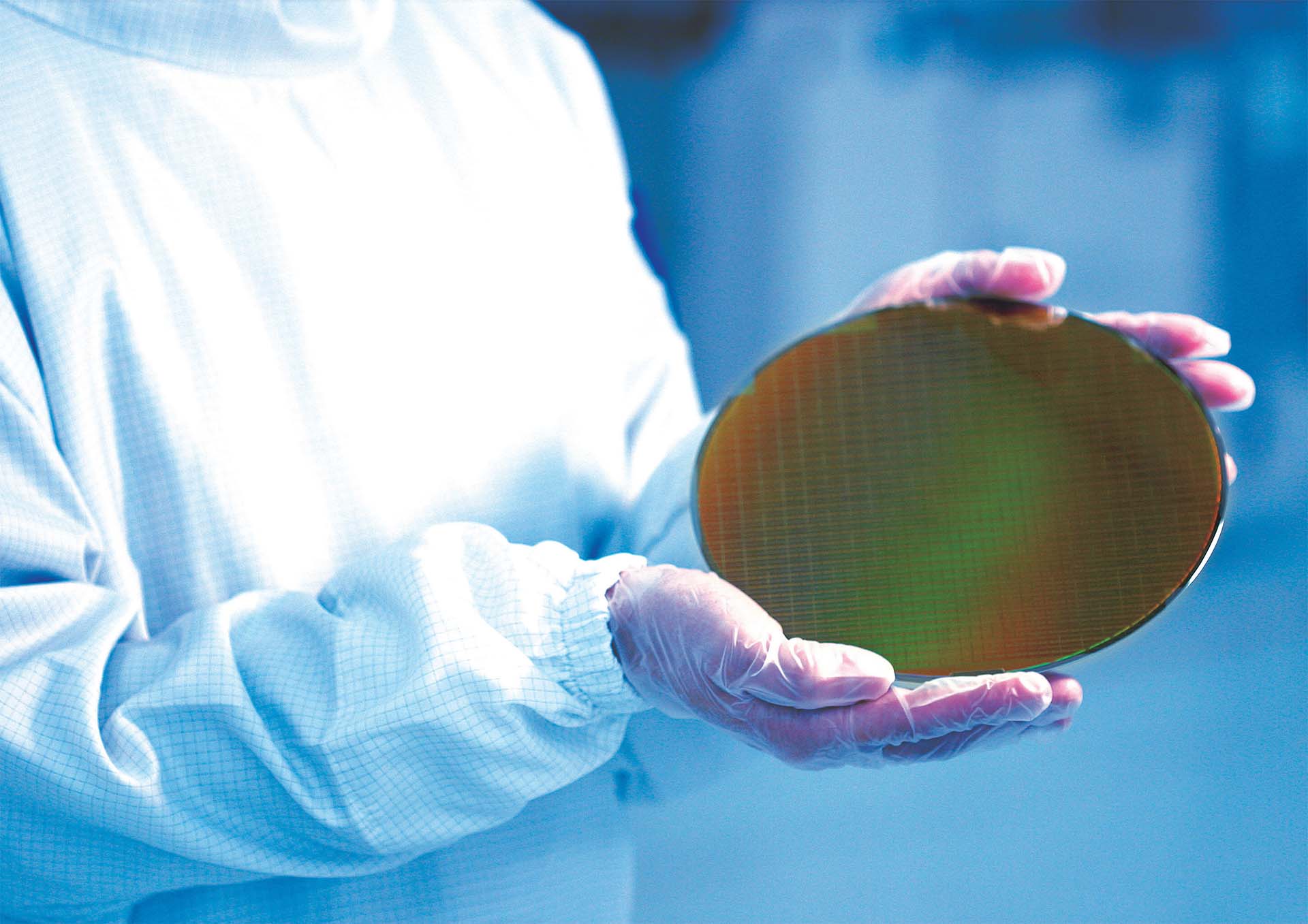
It seems the folks in the semiconductor division are the ones doing cartwheels. We’re talking an average of 509 million won – that’s nearly $370,000 for you and me – in all-stock performance bonuses per worker. This sweet deal hinges on profits exceeding astronomical figures, which, given the current market, isn’t entirely out of the question for a company like Samsung. The report mentions an expected operating profit of 331 trillion won this year – that’s a lot of zeroes, folks.
But let’s not get too misty-eyed about corporate solidarity. That 74% approval? That was just for the semiconductor union. The broader union, representing all Samsung workers, including those churning out those ever-popular smartphones? They only gave the deal a lukewarm 21.1% thumbs-up. Translation: a significant chunk of Samsung’s workforce feels decidedly less fortunate. Mobile division employees are looking at a mere 6 million won ($4,000) bonus. The LSI division gets a slightly better, but still considerably smaller, 160 million won ($100,000). It’s like getting a Michelin star versus a coupon for a free side salad.
Who’s Actually Making Bank Here?
This isn’t just about a successful negotiation; it’s a stark illustration of the widening chasm within even the largest tech behemoths. For years, we’ve seen the semiconductor industry boom and bust, a volatile beast that rewards its top performers handsomely when the stars align. But what about the engineers designing the next generation of foldable phones, or the assembly line workers keeping the mobile division humming? Their contributions, while perhaps less directly tied to the profit margins of high-margin memory chips, are still critical to Samsung’s overall success. This deal, while a victory for the semiconductor contingent, highlights a potential disconnect in how value is perceived and rewarded across the company.
It’s a tale as old as time in Silicon Valley, or in this case, its global counterpart: talent concentration and reward disparity. The semiconductor division, the engine room of so many modern devices, is where the truly eye-watering numbers are made. This deal essentially acknowledges that reality, but it does so at the expense of broader workforce parity. Management gets to tout a ratified deal, avoid a strike, and perhaps soothe the nerves of their most critical technical talent. The other divisions? Well, they get… less. Much, much less.
Under the terms of the deal, Samsung’s semiconductor employees are now all set to receive a cash bonus of up to 50 percent of their pay, as well as a special all-stock performance bonus that is equal to 10.5 percent of the tech behemoth’s annual operating profits, provided that such profits exceed 200 trillion won ($132 billion) from 2026 to 2028 and 100 trillion won ($66 billion) from 2029 to 2035.
My unique insight? This isn’t just about a wage deal; it’s a pre-emptive move by Samsung to lock down their semiconductor talent before the next chip shortage crisis hits, which, let’s be honest, is always just around the corner. They’re throwing a massive amount of stock at their engineers and designers, betting that the long-term value will keep them tethered, even if other parts of the company are feeling less love. It’s a calculated gamble, and one that effectively splits the union’s bargaining power.
Is This Sustainable for Samsung’s Workforce?
What happens when the mobile division workers see their semiconductor counterparts walk around with what amounts to a down payment on a house, while they’re still scraping by? Morale is a funny thing. And when you create such a stark contrast in rewards, you risk fostering resentment. While the semiconductor union’s majority is clear, the low approval from the broader union suggests underlying dissatisfaction. Samsung’s PR team will spin this as a win, a proof to their commitment to employees. But the numbers tell a different story – a story of stratification and, dare I say, potential future unrest.
It’s a delicate dance, balancing the extreme profitability of certain divisions with the overall health of a massive global workforce. Samsung’s semiconductor workers are enjoying a moment of significant financial upside, and frankly, who wouldn’t? But the lingering question remains: is this a model that fosters long-term unity, or simply a temporary balm on deeper organizational fissures?
🧬 Related Insights
- Read more: Wiwynn Memory Shift Signals Broader ODM Pain
- Read more: Tower’s Laser Chip Promises DWDM Magic for AI Racks—Hype or Hardware Hero?
Frequently Asked Questions
What is the new Samsung wage deal about?
The new Samsung wage deal involves incentives and bonuses for workers, with a significant payout approved for the semiconductor division, but less so for other divisions.
How much will Samsung semiconductor workers get?
Samsung semiconductor workers are set to receive an average of 509 million won ($370,000) in all-stock performance bonuses.
Did all Samsung workers approve the deal?
No, only the semiconductor union overwhelmingly approved the deal with a 74% majority. The broader union, including mobile division workers, had a much lower approval rate of 21.1%.