Everyone, absolutely everyone, was braced for a seismic payout. The whispers had been growing for months, fueled by Samsung’s dominance in the AI hardware race. We were talking hundreds of thousands of dollars per employee, a proof to the sheer demand for their semiconductor wizardry. What we didn’t quite anticipate was the chasm it would carve through the company’s workforce, a divide so stark it’s threatening to derail production.
So, what happened? A South Korean court waved through Samsung Electronics’ AI-driven bonus deal, effectively rubber-stamping a package that sees memory chip employees lining their pockets to the tune of about $400,000 each this year. Meanwhile, their counterparts laboring over smartphones and home appliances? They’re looking at a comparatively paltry $4,000. This isn’t just a difference; it’s an economic earthquake.
The legal challenge, an attempt by five employees from Samsung’s Device eXperience (DX) division to block the ratification, was swiftly dismissed by the Suwon District Court. Their argument, that they were unfairly excluded from the initial vote, fell on deaf ears. Over 90% of eligible union members had already cast their ballots by Tuesday morning, a clear indication of where the power, and the payday, lay.
The Anatomy of the Disparity: Why the Sky-High Payouts for Chip Workers?
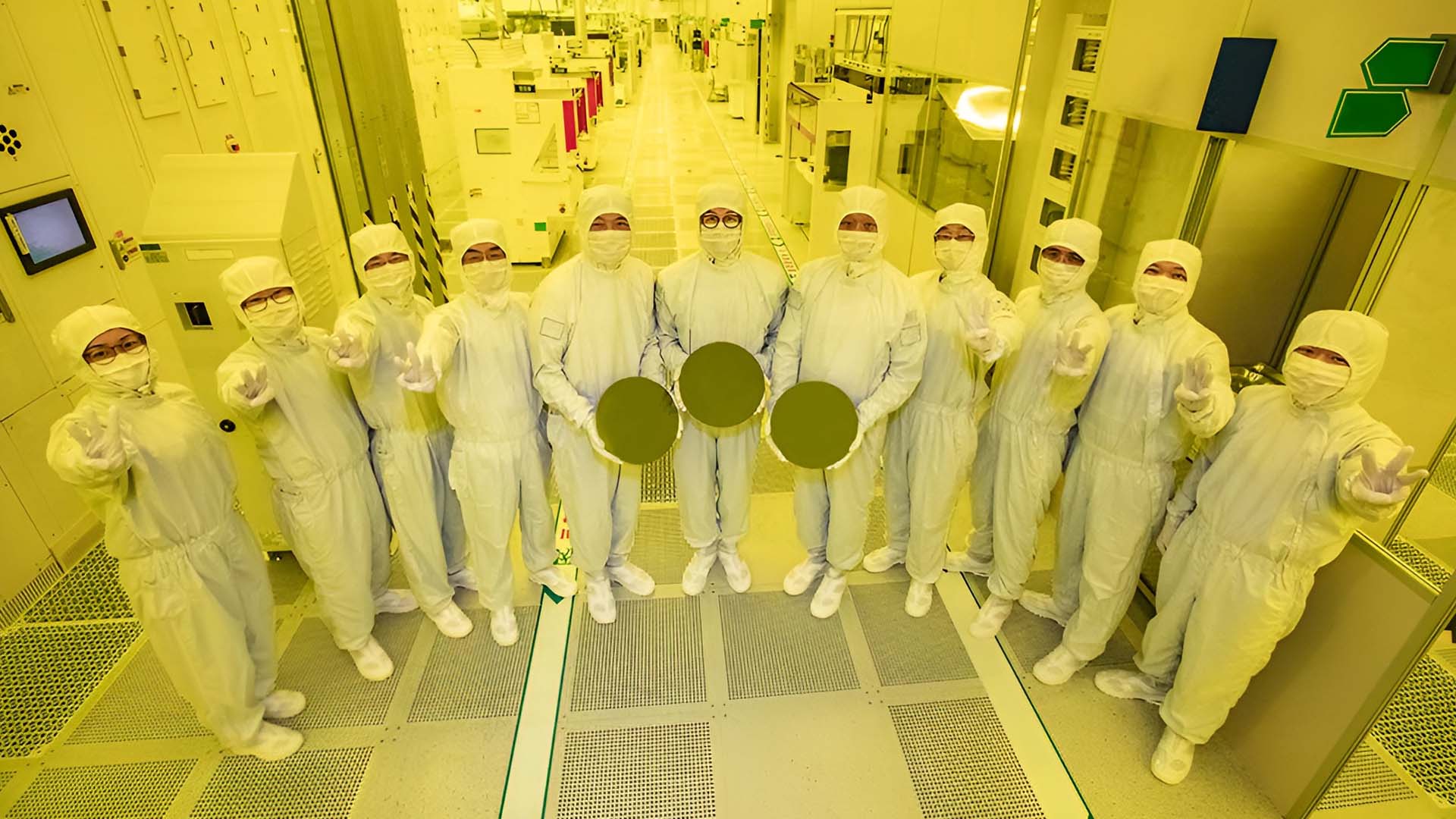
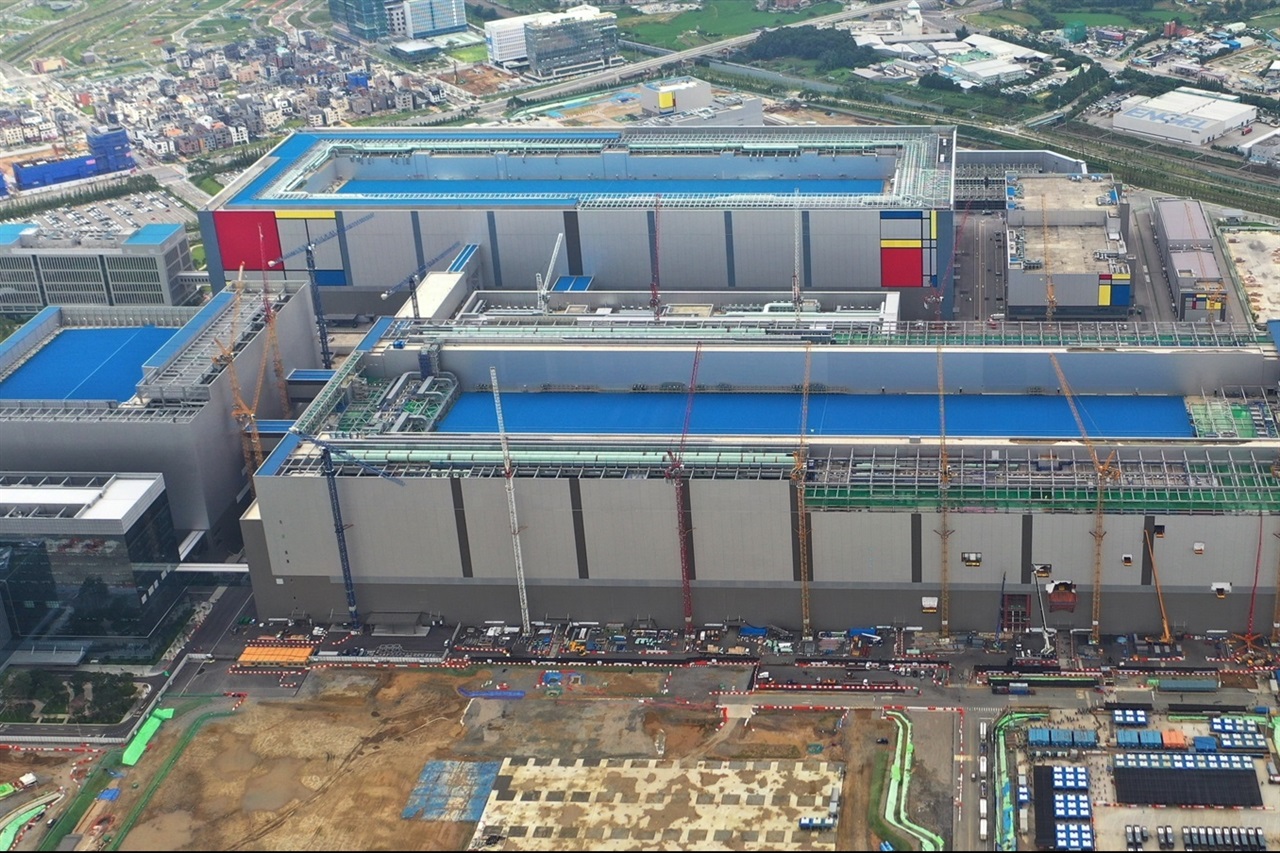
At its core, this deal is a 10.5% cut of the semiconductor division’s operating profit, tossed in with an additional 1.5% in cash, all wrapped up in a 10-year agreement. But the devil, as always, is in the details, and in this case, it’s in the profit targets. We’re talking about annual operating profit goals of 200 trillion won ($132 billion) from 2026 to 2028, and then a still-lofty 100 trillion won ($66 billion) from 2029 to 2035. Based on Bloomberg’s projections – and these are pretty aggressive numbers – the total bonus pool for the company’s 78,000 semiconductor employees could balloon to a staggering $26.6 billion. It’s not a single, uniform cheque, though. Memory division folks are staring down the barrel of around 600 million won ($400,000), while those in the struggling foundry and logic chip design sectors, while still getting substantial sums, are looking at considerably less.
The DX division, the very division that tried to halt the deal, gets nothing from this new arrangement. Their bonuses remain tied to the existing structure, a structure that caps out at approximately 6 million won ($4,000). Imagine the sting. One set of colleagues is basking in wealth, the other is looking at what’s essentially a rounding error in comparison. It’s the kind of disparity that breeds resentment faster than silicon solidifies.
And it’s not just the DX division that’s fuming. The National Samsung Electronics Union (NSEU), with its 20,000 members across both chip and non-chip divisions, is also voting against the deal. Lee Ho-seok, an official with the NSEU, told Reuters that even some foundry workers, within the chip division itself, are feeling short-changed. This isn’t a simple us-vs-them scenario anymore; the cracks are appearing within the very divisions that are supposed to be the golden goose.
Beyond the Union Vote: Shareholder Ire and Operational Sabotage?
But wait, there’s more. A group of individual shareholders has thrown their hat into the ring, threatening their own legal battle. Their beef? They argue that this profit-linked bonus scheme is essentially a distribution of company funds that should have been put to a shareholder vote under South Korean commercial law. The Korea Shareholder Action Headquarters isn’t playing coy; they staged a rally, complete with dire warnings about legal avenues to block disbursement. This adds a whole new layer of complexity to an already volatile situation. The company’s leadership is facing heat not just from its own employees but from those who hold the purse strings at the highest level.
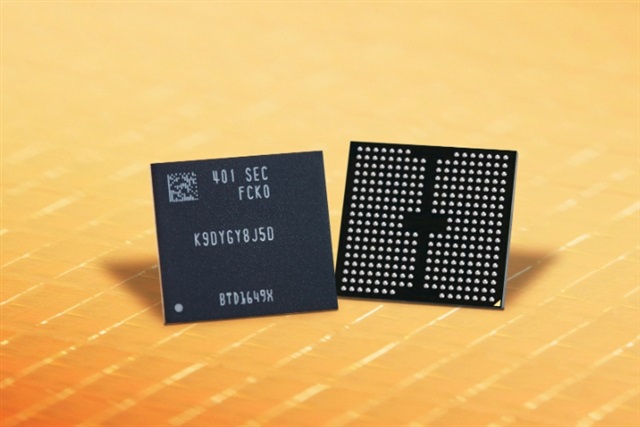
This internal schism isn’t just an abstract grievance; it’s already manifesting in tangible operational disruptions. Reports suggest that intentional production slowdowns are actively interfering with HBM delivery schedules. HBM – High Bandwidth Memory – is the lifeblood of AI. Any hiccup here sends shockwaves through the entire industry. CEO Jun Young-hyun has reportedly sent out internal memos, a desperate plea for employees to move past the conflict. But when fortunes are this wildly divergent, can a memo really bridge such a vast economic gulf?
My take? This isn’t just about Samsung navigating a tough labor negotiation. It’s a stark illustration of how the AI boom, while showering rewards on specific, high-demand sectors like advanced chip manufacturing, can leave others – even within the same tech behemoth – feeling utterly forgotten. It’s a cautionary tale about equity and the long-term stability of a company that bets its future on specialized talent while underappreciating the contributions of its broader workforce.
🧬 Related Insights
- Read more: Synopsys Nails HBM4 Silicon Link-Up — But Who’s Cashing In First?
- Read more: Agentic AI: Subsurface Engineering’s 24/7 Simulation Shift
Frequently Asked Questions
What does the $400,000 bonus mean for Samsung’s chip employees? It signifies substantial financial reward, directly tied to the division’s high operating profit targets and its critical role in the AI hardware market. It’s a recognition of their value in a high-demand sector.
Will non-chip employees get any of the new bonuses? No, the new AI-driven bonus deal is exclusively for the semiconductor division. Employees in other divisions, like consumer electronics and smartphones, will continue to receive bonuses under the company’s existing, significantly lower-paying structure.
Is this deal guaranteed to last 10 years? The deal is contingent on the semiconductor division consistently hitting aggressive annual operating profit targets. If these targets aren’t met, the bonus program’s duration or payout amounts could be affected.