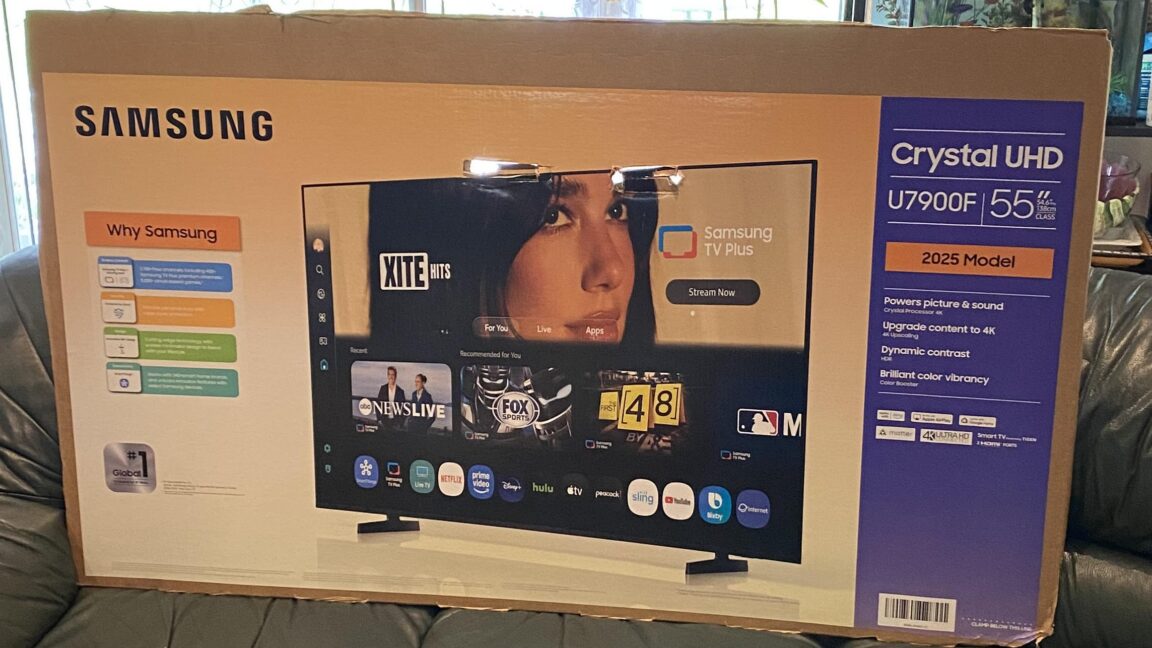
The hum of a new television being unboxed used to signal simple entertainment. But recently, that hum has been joined by a legal rumble, a stark reminder that the lines between digital creation and real-world rights are blurring faster than we can blink. Dua Lipa is suing Samsung for a staggering $15 million, not over a faulty product, but over her own image splashed across its TV boxes.
This isn’t just about a pop star feeling slighted; it’s a seismic event at the intersection of artificial intelligence, intellectual property, and celebrity rights. Samsung, allegedly, used an image labeled ‘Dua Lipa – Backstage at Austin City Limits, 2024’ without permission. The lawsuit claims this wasn’t a mistake, but a deliberate act, a marketing decision that Samsung, according to Lipa’s team, brushed off with “dismissive and callous” indifference.
Think of AI as a lightning storm. It’s powerful, unpredictable, and utterly transformative. It can generate art, music, and yes, even realistic images of people that are impossible to distinguish from the real deal. This ‘image’ on the Samsung box might not have been a photo taken by a Samsung employee on assignment, but a synthetic creation—or a licensed image used in a context far beyond its original agreement. Either way, the core issue is the unauthorized commercial exploitation of a recognizable person’s likeness.
Why is this a big deal, beyond the headline dollar amount? Because AI is democratizing the ability to create and manipulate reality. Soon, it won’t be just big corporations like Samsung. It’ll be smaller businesses, individual marketers, anyone with access to these increasingly sophisticated tools. They could, in theory, generate entire advertising campaigns featuring hyper-realistic AI-generated celebrities endorsing products, all without a penny paid to the real individuals whose likenesses are being mimicked.
The Ghost in the Machine: AI’s Role in the Samsung Suit
The lawsuit itself doesn’t explicitly state AI generated the image. However, in the context of modern tech and marketing, it’s a near certainty that AI played a role, or that the potential for AI-generated likenesses is the specter haunting these legal halls. Companies are already exploring AI models that can create photorealistic portraits of fictional people, or even composite images using elements of real individuals. This Samsung case, whether it involves an AI-generated image or merely an unauthorized photograph, is a crucial early skirmish in the inevitable war over digital identity.
It’s like the dawn of photography. Before cameras, a portrait was a painstaking, expensive artistic endeavor. Suddenly, with the click of a shutter, likenesses could be captured and reproduced en masse. We’re seeing a similar explosion now with AI. The ability to capture, manipulate, and generate likenesses at scale is upon us. And just as photography forced new laws around defamation and privacy, AI demands a re-evaluation of our existing legal frameworks.
Lipa owns all ‘rights, title, and interest in the image titled ‘Dua Lipa – Backstage at Austin City Limits, 2024.’
This statement from the lawsuit is the bedrock. It’s asserting ownership over a specific manifestation of her image. But what happens when AI creates a new image, one that looks like Dua Lipa but isn’t technically that specific photograph? This is where things get deliciously, terrifyingly complex. The law often lags behind technology, and we’re currently witnessing a spectacular sprint by AI, with legal precedent trying to keep pace, tripping over its own shoelaces.
Is this the Future of Celebrity Endorsements?
Samsung’s alleged actions highlight a brand new challenge: managing and protecting a person’s “digital twin.” As AI gets better at mimicking human appearance, voice, and mannerisms, the potential for misuse escalates exponentially. We’re not just talking about deepfake videos; we’re talking about AI generating entire performances, endorsements, and commercial appearances. This lawsuit feels like the first shot fired in a much larger conflict.
Consider the immense infrastructure and legal teams required to manage a celebrity’s brand. They meticulously control who uses their image, how it’s used, and for what compensation. AI threatens to bypass this entire system. If a company can generate a convincing AI likeness of a celebrity for a fraction of the cost, and without the risk of scandal or contract disputes, why wouldn’t they? The traditional endorsement model, built on human contracts and approvals, could be fundamentally disrupted.
This case sets a precedent. It forces us to ask: When does a digital creation become a violation of an individual’s rights? Is it the resemblance alone? Is it the commercial intent? Is it the lack of consent and compensation? The answer, for now, is a resounding ‘all of the above,’ but the nuances will be debated in courts for years to come.
The future, powered by AI, is arriving not with a whimper, but with a lawsuit. And the implications for how we own, control, and profit from our own identities in the digital age are profound. We’re not just consumers of technology anymore; we’re becoming the raw material for its next evolution. And that, dear readers, is both exhilarating and a little bit terrifying.
🧬 Related Insights
- Read more: Nvidia’s Rubin CPX: A Compute-Fat GPU That Starves Competitors
- Read more: Tower’s Laser Chip Promises DWDM Magic for AI Racks—Hype or Hardware Hero?
Frequently Asked Questions
What does Dua Lipa’s lawsuit claim Samsung did? Dua Lipa is suing Samsung for allegedly using her image on its TV boxes without her permission, leading to claims of copyright infringement, trademark infringement, and violation of her right of publicity.
How much is Dua Lipa suing Samsung for? Dua Lipa is seeking $15 million in damages from Samsung.
Could AI have created the image on the Samsung TV box? The lawsuit doesn’t explicitly state AI created the image, but it’s a significant possibility given current technology and the context of AI advancements in image generation, highlighting concerns about the unauthorized use of likenesses.