AI IS THE NEW ENGINE.
Seriously, stop what you’re doing. The 2026 Beijing Auto Show, which wrapped up recently, wasn’t just another car show. It was a crystal ball, and what it showed us was less about horsepower and more about horsepower in the silicon. We’re not just talking about electric vehicles anymore; that’s old news. China’s automotive juggernaut is slamming the accelerator on intelligent mobility, powered by the sheer, unadulterated might of artificial intelligence.
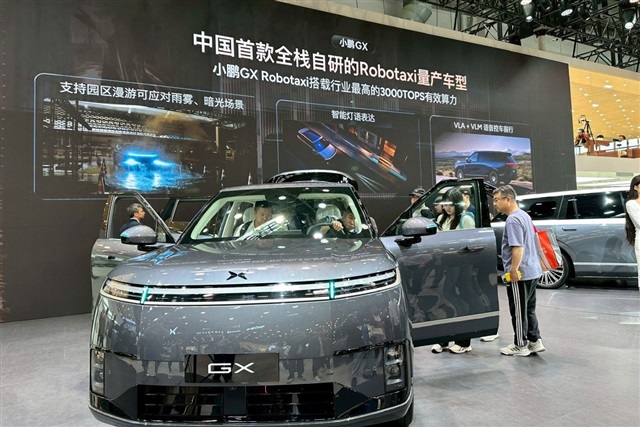
It’s like the whole industry collectively looked at their blueprints and realized the internal combustion engine was a quaint, charming artifact. Now, it’s all about the neural net, the sensor suite, the processing power that makes a car think, react, and navigate the urban jungle better than we often do. We saw everything from cutting-edge robotaxi prototypes practically begging for your commute to sophisticated AI copilots that promise to turn every drive into a personalized, predictive, and dare I say, enjoyable experience. This isn’t just an upgrade; it’s a fundamental platform shift, akin to when the internet first untethered us from our physical locations.
The automakers are no longer just building metal boxes on wheels. They’re crafting sophisticated, mobile AI platforms. Think of it this way: your car is evolving from a mere mode of transport into a sentient assistant, a data hub, and a proactive partner on the road. This infusion of AI isn’t just about convenience; it’s about safety, efficiency, and unlocking entirely new paradigms of urban living. The implications are staggering, stretching far beyond just getting from point A to point B.
Why This Matters Beyond the Show Floor
Look, we’ve heard the hype before. ‘AI will change everything!’ they scream from every tech conference stage. But at Beijing, it felt different. It felt real. You could see the investment, the strategy, and the sheer ambition baked into every gleaming concept. This isn’t a few R&D departments tinkering in the back; this is the national auto strategy pivoting hard. This means a massive demand for the chips that power this intelligence, the sensors that feed it data, and the software engineers who can coax the best out of it. For chipmakers, this is a gold rush. For us as consumers? Well, buckle up.
We’re on the cusp of vehicles that don’t just drive, but learn. Imagine a car that understands your daily commute patterns, anticipates traffic jams before they form, and adjusts its route proactively. Or a robotaxi that’s not just safe, but also intuitively knows your preferred cabin temperature and your favorite podcast. This is the promise of AI in automotive, and China is planting its flag firmly in this territory.
The Robotaxi Tipping Point?
This entire push towards autonomous driving and sophisticated AI feels like it’s reaching a critical mass. The lines are blurring between traditional automakers and tech giants. Companies that were once solely focused on building cars are now talking about AI algorithms and data analytics with the same passion they once reserved for engine displacement. It’s a fascinating ecosystem where hardware, software, and data converge in a way that could redefine personal mobility. I remember seeing early attempts at self-driving years ago, and they felt clunky, hesitant. What’s emerging now feels…different. It feels more integrated, more confident, born from immense datasets and powerful AI models.
“The future of mobility is intelligent, and AI is the core component that will enable this transformation.”
That sentiment, echoed by various industry players, perfectly encapsulates the vibe. It’s not about adding AI features as a cherry on top; it’s about building AI into the foundation. This is the next ‘personal computer’ moment for vehicles, turning them into dynamic, intelligent entities. The sheer scale of China’s automotive market, coupled with its aggressive technological adoption, makes this a significant global trend to watch. It’s not just about China; it’s about what the rest of the world will soon be scrambling to catch up with.
So, What About the Chips?
Here’s where we, at Chip Beat, get really excited. This seismic shift means an insatiable appetite for sophisticated AI chips. We’re talking about dedicated AI accelerators, high-performance processors for sensor fusion, and strong computing platforms that can handle the immense data streams from autonomous vehicles in real-time. Companies that can deliver these specialized silicon solutions are poised to be the real winners. It’s no longer just about raw CPU power; it’s about the AI inferencing capabilities, the energy efficiency to keep these systems running, and the safety certifications required for autonomous operation. The silicon is the silent, powerful engine driving this entire revolution.
Think of the sheer computational load. A car that’s seeing, processing, and deciding thousands of times per second needs serious hardware. And it’s not just one chip; it’s a complex ecosystem of interconnected processors. This creates massive opportunities for chip designers, fabless semiconductor companies, and even foundries that can churn out these advanced nodes. It’s a perfect storm of demand for the very things we cover here at Chip Beat: cutting-edge silicon and the AI models that breathe life into it.
This isn’t just a speculative future; the groundwork is being laid now. The vehicles showcased at Beijing are not science fiction; they are previews of vehicles that will be on our roads, and in our lives, sooner than many anticipate. The question isn’t if AI will transform our cars, but how fast, and who will lead the charge. China’s auto industry is making a very strong statement that they intend to lead.
🧬 Related Insights
- Read more: China Travel Ban Hits AI Talent
- Read more: Qualcomm’s Chip Strategy: 2nm, 3nm, and Diversification This Year [Analysis]
Frequently Asked Questions
What does the Beijing Auto Show’s focus on AI mean for car buyers? It means cars will become more intelligent, safer, and offer personalized experiences. Expect features like advanced driver assistance, predictive maintenance, and sophisticated infotainment systems powered by AI.
Will this lead to more autonomous vehicles on the road soon? While fully autonomous vehicles (Level 5) are still some way off for widespread consumer adoption due to regulatory and safety hurdles, the show indicates a rapid acceleration in the development and deployment of advanced driver-assistance systems (ADAS) and semi-autonomous capabilities.
How does this impact the semiconductor industry? It creates a massive demand for specialized AI chips, processors, and sensors. Companies that can provide high-performance, energy-efficient silicon solutions for automotive AI applications are set to benefit significantly.