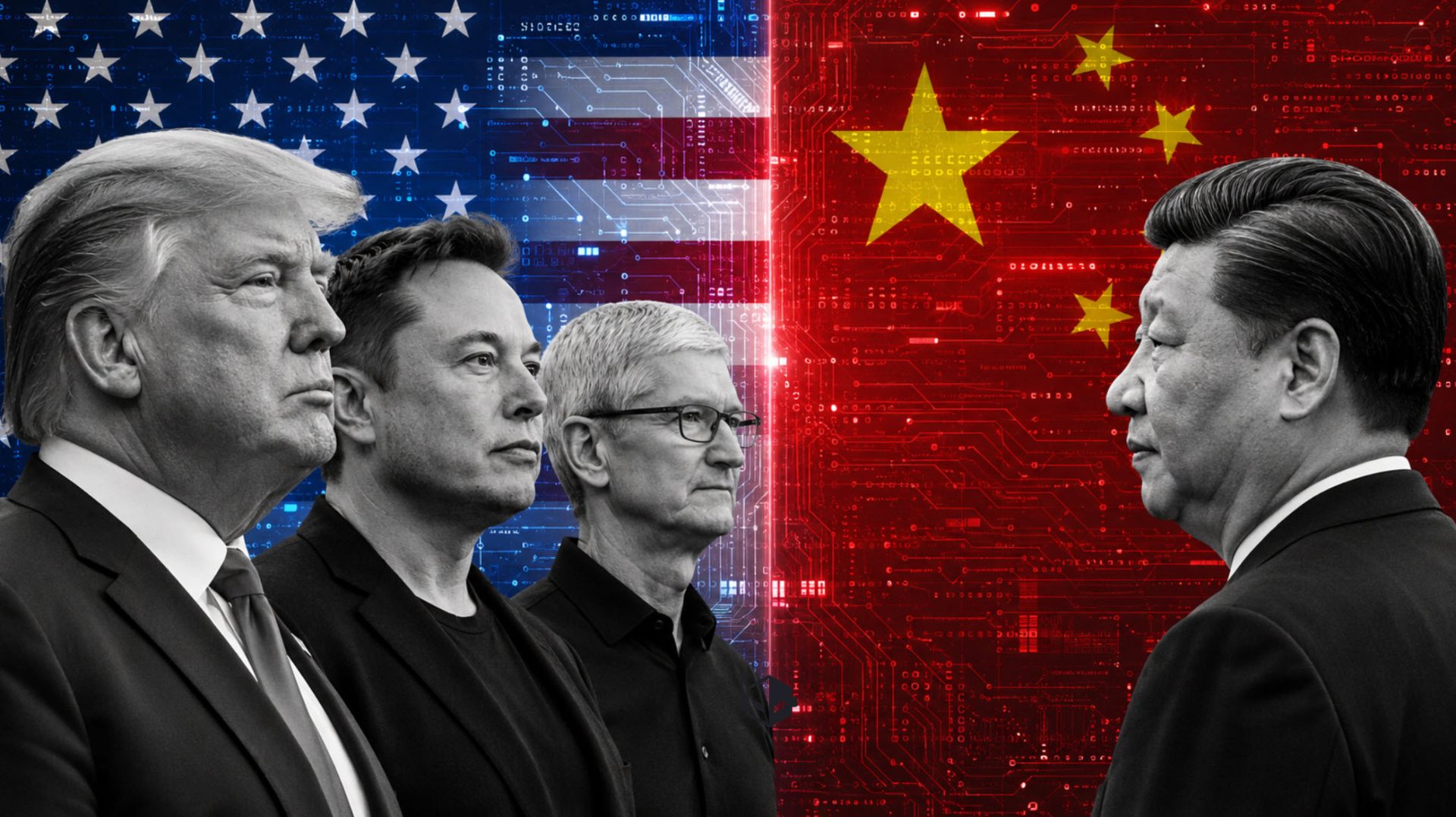
Everyone was expecting more of the same: more funding, more open-source models, maybe a slightly more aggressive talent acquisition war. We certainly weren’t expecting governments to start treating AI researchers like nuclear physicists or ballistic missile engineers.
But here we are. Beijing is now requiring individuals working in AI at private firms to get the green light before they can book a flight out of the country. This isn’t just a tweak; it’s a significant escalation. Previously, these kinds of travel restrictions were largely confined to government employees, academics in sensitive fields, and yes, those working on nuclear programs. Expanding it to the private sector, to the startups and the established tech companies, is a big deal. It signals a shift from ‘encouraging’ domestic talent to actively ‘retaining’ it – with a heavy hand.
The ‘Strategic Asset’ Play
Look, the official line is always about protecting national interests, fostering innovation, and preventing the brain drain. And sure, there’s some truth to that. China is pouring billions into AI, aiming for global dominance. They see their top AI minds as the architects of that future. The sources cited by Bloomberg suggest the individuals flagged aren’t just any engineers; they’re the ones deemed critical to China’s AI ambitions. It’s not about their job title, but their impact.
This comes on the heels of some pretty aggressive moves by American tech giants, throwing around what sound like ludicrous sums of money to poach talent. We’re talking hundreds of millions, even over a billion dollars for a single team. When Meta buys a company like Manus AI, and then the chatter is about preventing U.S. acquisition of Chinese IP and talent, you start to connect the dots. Beijing isn’t just watching; it’s acting to lock down its most valuable assets.
The new policy is designed to protect against the leaking of key technologies, such as the one being developed by the Chinese startup that moved to Singapore.
That quote, from the Bloomberg report, really sums it up. It’s not just about stopping engineers from leaving; it’s about preventing the knowledge they carry from walking out the door, especially to competitors. The recent case of a Chinese AI startup relocating to Singapore is a clear, public example of what they’re trying to prevent.
The Unintended Consequences?
But here’s where it gets interesting, and frankly, where the cynicism kicks in. Will this actually work? Or will it backfire spectacularly?
My money’s on the latter. Forcing people to ask permission to travel can breed resentment. For Chinese talent already abroad, this might be the final nail in the coffin, convincing them that going home isn’t worth the hassle or the potential restrictions on their freedom. It sends a signal that they’re not just valued employees, but state property.
And for those still in China? It could incentivize them to leave sooner rather than later, before they’re even on the government’s radar. Why wait to build your skills at home if the government might soon decide you’re too valuable to ever let you experience the global AI scene firsthand? This policy, meant to hoard talent, might just end up scattering it.
It also raises questions about the definition of ‘key talent.’ Who decides? Based on what metrics? This feels like a move born out of paranoia, a reactive measure rather than a strategic, well-thought-out plan. The tech world moves too fast for such heavy-handed, top-down controls. Talent follows opportunity and freedom, not bureaucratic hurdles.
Who’s Actually Making Money Here?
Ultimately, this entire dance – the billions spent on talent, the government restrictions – is about market dominance and intellectual property. The companies vying for these experts are betting on future AI breakthroughs and the revenue streams they’ll unlock. Beijing is betting that by controlling its talent pool, it can ensure its own companies, and by extension the state, reap the biggest rewards from the AI revolution.
But controlling people isn’t the same as fostering innovation. It’s a classic Silicon Valley versus state control dynamic. The VCs and public markets are funding the private sector’s pursuit of AI profits, while governments like China are attempting to steer that pursuit for nationalistic goals. It’s a high-stakes game of chess, and right now, Beijing seems to be moving pieces around with a very visible, very heavy hand.
We’ll see how this plays out. But my gut, honed by two decades of watching these cycles, tells me that talent is like water: it will eventually find its way around any dam, no matter how big.
Is China’s New AI Travel Policy Effective?
It’s too early to say definitively, but the historical trend with restrictive policies on talent is that they often lead to unintended consequences. While it may temporarily slow the outflow of certain individuals, it risks alienating talent abroad and incentivizing others to leave proactively. The long-term impact on innovation and the global competitiveness of China’s AI sector remains uncertain.
Why Does This Matter for Global AI Development?
This policy highlights the escalating geopolitical competition in AI. As nations view AI talent as a strategic national asset, it could lead to further restrictions and a more fragmented global research community. This fragmentation might slow down overall AI progress, as collaboration becomes more difficult and talent pools become more localized. It also raises concerns about the free flow of ideas and the potential for a ‘talent war’ that benefits no one in the long run.
What Does This Mean for AI Engineers in China?
For AI engineers in China, especially those in private firms, this means increased scrutiny and a potential curtailment of international career opportunities. They may face bureaucratic hurdles for any overseas travel, whether for conferences, collaboration, or personal reasons. This could create a sense of being cornered and may lead some to reconsider their long-term career paths, potentially seeking opportunities elsewhere if such restrictions become too burdensome.