AI is the new highway.
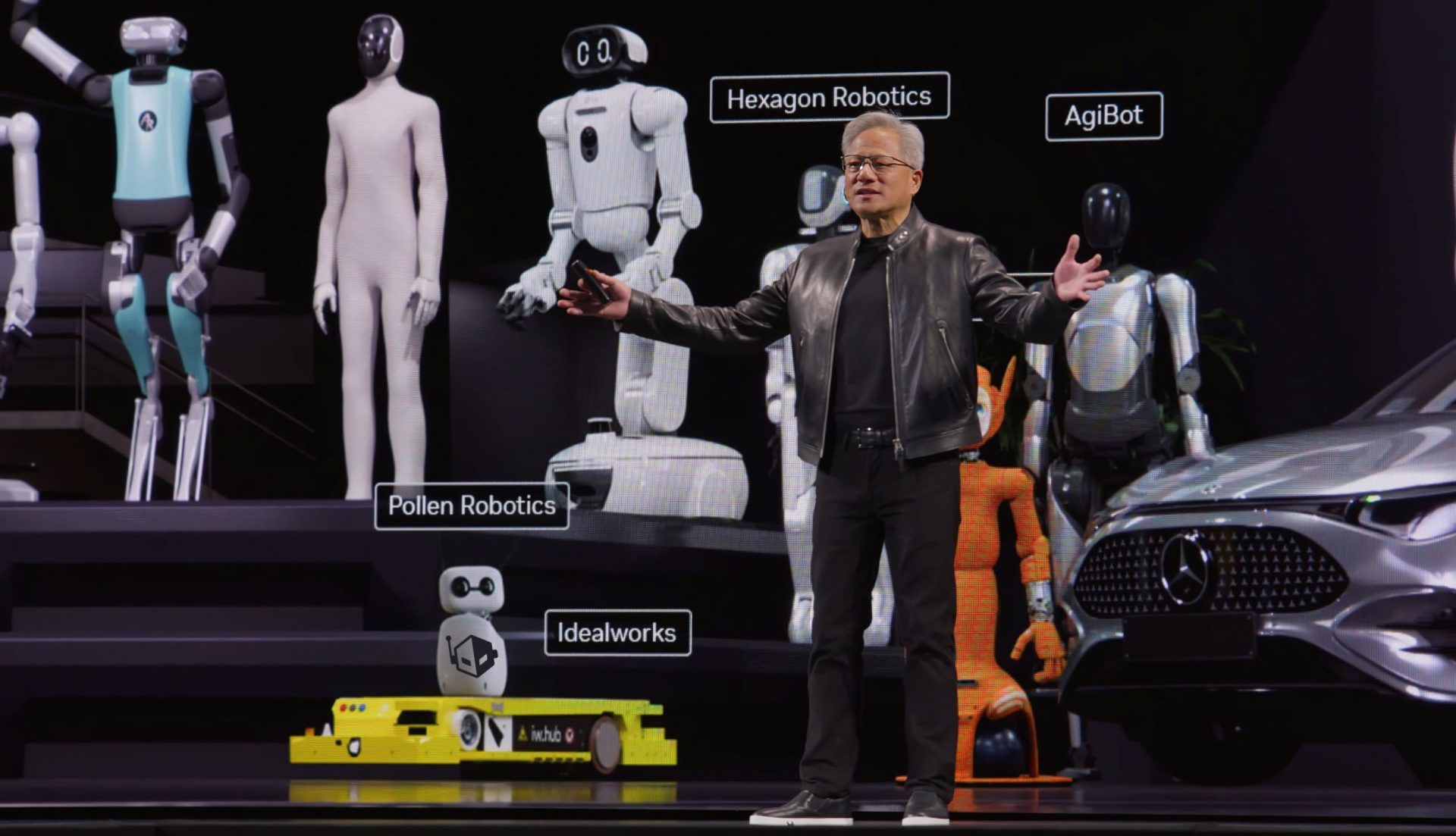
Look, for years, we’ve been talking about the hardware of self-driving cars – the fancy LiDAR, the powerful GPUs. It’s been a bit like admiring the shiny chassis and the roaring engine of a magnificent beast. But Mark Yee, speaking at a DIGITIMES forum ahead of Computex, just pulled back the curtain and pointed to the real engine: Physical AI. This isn’t just an upgrade; it’s a whole new operating system for the automotive world, catapulting autonomous driving from lab experiments and controlled demos into the messy, unpredictable, and gloriously real era of commercial validation.
It’s like the difference between a racehorse trotting in a paddock and that same horse thundering down the backstretch with the finish line in sight. We’re talking about actual deployment, real revenue, and the gritty reality of keeping people safe on roads designed for humans, not robots. This shift means the competition isn’t just about who can build the most impressive sensor suite anymore. Oh no, the game has fundamentally changed. The real fight is brewing in the digital ether – the algorithms that make the decisions, the specialized chips that process the torrent of data at lightning speed, and, of course, the data itself, the lifeblood of any learning AI.
Is This the End of the Road for Traditional Car Makers?
Think of it this way: for decades, car manufacturers were the undisputed kings of the road, masters of metal, combustion, and assembly lines. They built the cars we loved. But now, the very definition of a car is morphing. It’s becoming a sophisticated, mobile computer. And who are the new contenders in this burgeoning ecosystem? The chipmakers, the AI software wizards, and the data aggregators. These aren’t just suppliers anymore; they’re becoming the architects of the future of mobility. It’s a seismic shift that could see traditional automakers relegated to being the skilled builders of platforms designed by others, much like how smartphone manufacturers license operating systems from tech giants.
The real wonder here is how quickly this transition is happening. We’re not talking about some far-off sci-fi dream anymore. Yee’s assertion that we’re entering the “commercial validation era” means we’re on the cusp of seeing these systems deployed at scale. This means real-world testing, real user feedback, and, yes, real accidents (hopefully few, but they will happen, and learning from them is key). It’s the ultimate crucible for any technology, and for autonomous driving, it’s the make-or-break moment.
The Algorithm is King, The Chip is its Crown Jewel
So, what does this mean for the silicon titans and the code slingers? It means their role is becoming paramount. Companies aren’t just buying ECUs; they’re investing in AI brains. This means a massive demand for specialized processors that can handle the complex computations required for perception, prediction, and planning, all in real-time. And it’s not just about raw power; it’s about efficiency and dedicated architectures. We’re likely to see an explosion of AI-specific chips designed from the ground up for the unique demands of autonomous systems. And the software – oh, the software! – that’s where the true differentiation will lie. It’s the intelligence, the ability to interpret ambiguous situations, to learn from every mile driven, that will separate the leaders from the laggards.
And let’s not forget the data. Every mile driven by a test vehicle, every simulated scenario, every traffic pattern observed – it all feeds the beast. The companies that can collect, curate, and effectively utilize this data will have a formidable advantage. It’s a virtuous cycle: better data leads to better algorithms, which lead to better chips, which enable more data collection. It’s the kind of feedback loop that can create insurmountable moats.
“Physical AI is driving autonomous driving into full commercial validation, with implications for market structure and technology leadership.”
This quote from Yee is a stark reminder that the technological race is now about intelligence and its efficient execution. The competition is moving beyond the predictable confines of automotive engineering and into the highly dynamic and often opaque world of AI development. It’s exhilarating, a little bit terrifying, and undeniably the future unfolding before our eyes. Get ready, folks, because the road ahead is about to get a whole lot smarter.