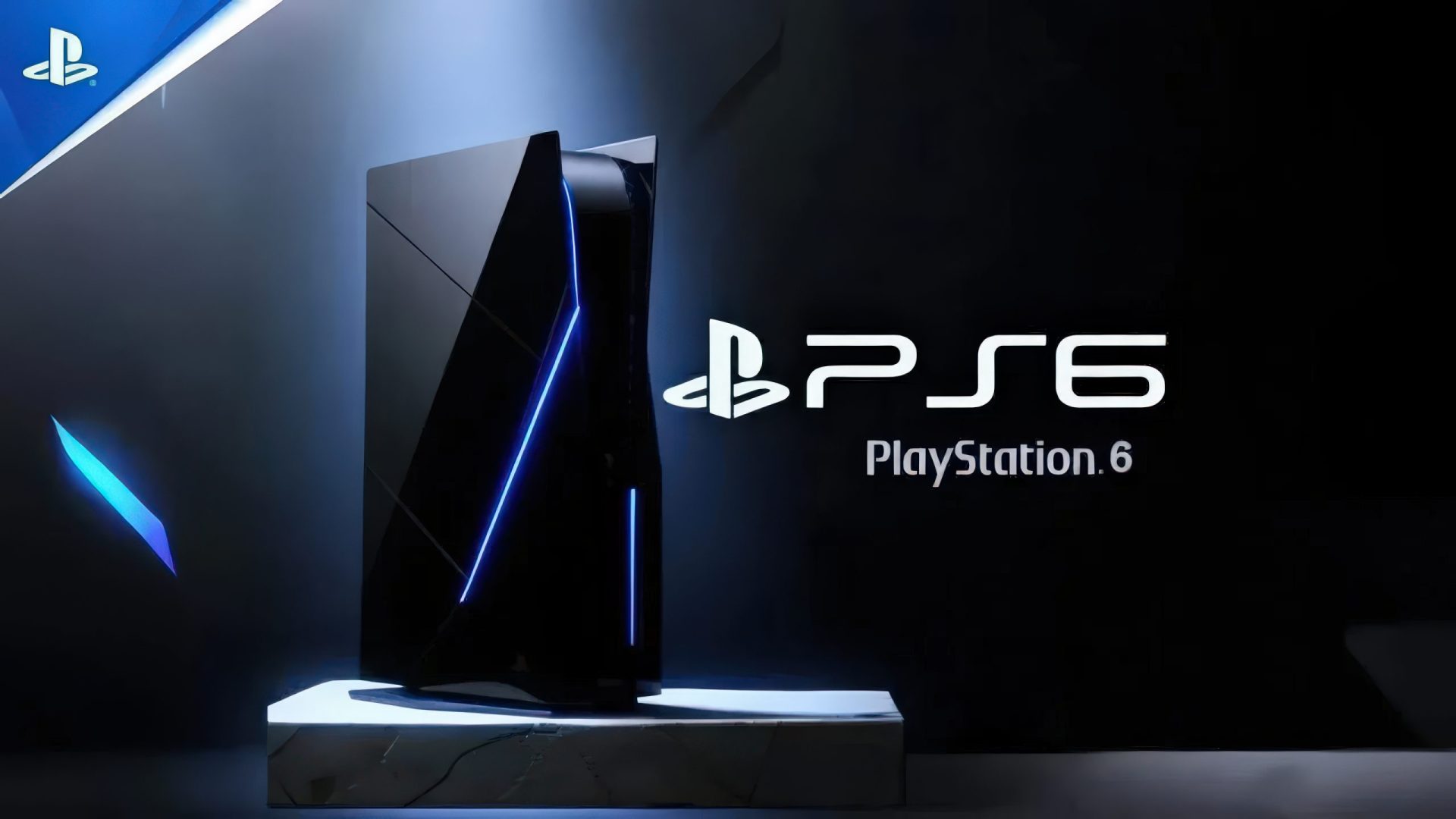
For months, the whispers in the digital corridors of gaming speculation buzzed with a single, tantalizing promise: the PlayStation 6 would be a RAM behemoth. We’re talking 32 gigabytes, a veritable digital library ready to house the most complex, mind-bending virtual worlds imaginable. Gamers and analysts alike envisioned a console that could effortlessly render graphical fidelity previously only dreamt of, pushing the boundaries of what interactive entertainment could even be. It was a vision of pure, unadulterated next-gen power.
And then, reality—that persistent, often inconvenient buzzkill—kicked in.
Sony, in its latest Q4 FY25 earnings call, dropped a bombshell. The PlayStation 6 launch timing? Undecided. The culprit? Not a lack of brilliant game ideas, nor a technical hurdle in chip design. No, it’s the humble, yet infuriatingly expensive, memory chips. We’re talking memory shortages that are reportedly driving the potential system’s launch price so high it’s making executives sweat. This isn’t just a slight hiccup; it’s a fundamental re-evaluation of what’s possible in the current hardware landscape. The entire trajectory of the next console generation might be bending under the weight of RAM costs.
Enter AMD leaker KeplerL2, a voice often heard in the silicon trenches, who’s painting a stark picture. If Sony is to keep the PS6 under a price ceiling that doesn’t send potential buyers fleeing, drastic measures are apparently on the table. And those measures involve trimming the fat—specifically, the RAM. The idea of cutting down to 20GB RAM and a 500GB SSD, suggested by some forum dwellers, is met with a sharp rebuke: “Nerfing the specs so much kinda defeats the point of having a next-gen system.” It’s a sentiment many of us can relate to; we want the future, not a rehash of the present with a slightly shinier coat.
But KeplerL2’s suggestions are more nuanced, a sort of “least painful” surgery. Instead of a wholesale gutting, the proposal is to keep the SSD at a respectable 1TB and, if absolutely necessary, to reduce the memory bus to 128-bit, thereby limiting VRAM to 24GB. This isn’t just theoretical. According to KeplerL2, this specific cut would translate to a significant $60 reduction in the Bill of Materials (BOM) at current prices. Even better, it offers a yield boost for the SoC by allowing the harvesting of memory controller defects. It’s a pragmatic, if disheartening, adjustment—disabling one memory controller to save a bundle and improve manufacturing efficiency.
The notion that developers would prefer a slightly dialed-down performance for more RAM is, frankly, fascinating. It suggests a shift in priorities, a recognition that AI-driven assets, higher texture detail, and more complex simulations—all RAM-hungry beasts—are more critical to the “next-gen experience” than raw, unadulterated speed that can’t be fully utilized. KeplerL2 states plainly: developers would “much prefer 24GB with bit a lower performance.” Consider the Nintendo Switch, a far less powerful machine, running a game like Final Fantasy VII Remake surprisingly well—doubling RAM can indeed unlock unexpected potential. This implies that the PS6’s ultimate value might not be in out-benchmarking its predecessor, but in how that extra memory can be creatively use by game designers for richer, more dynamic worlds.
Why Does This Matter for Developers?
This potential RAM reduction isn’t just a headline-grabbing spec cut; it’s a ripple effect that will be felt directly in the studios crafting our future gaming experiences. For years, developers have been gearing up for a future where memory constraints are loosened, allowing for larger open worlds, more detailed character models, and sophisticated AI. The 32GB dream was the signal that those constraints were truly off the table. Now, facing a 24GB reality (or perhaps something even leaner), they’ll have to recalibrate their ambitions. This means rethinking asset streaming, memory management, and potentially scaling back certain graphical features that they’d already mentally allocated RAM for. It’s a stark reminder that the physical limitations of hardware—especially when coupled with economic realities—still dictate the very fabric of digital creation. The days of just throwing more RAM at a problem might be officially over for this console generation.
Is 24GB Enough for the Future?
This is the billion-dollar question, isn’t it? When we look at the bleeding edge of PC gaming, where GPUs are pushing past 20GB of VRAM, a 24GB console memory pool might seem… quaint. But here’s the thing: consoles operate in a vastly different ecosystem. They are highly optimized, standardized platforms, allowing developers to wring every last drop of performance out of the hardware. It’s not about having the most RAM; it’s about how effectively that RAM can be used. If Sony and AMD have indeed found a way to make 24GB work synergistically with the rest of the PS6’s architecture—optimizing memory controllers, perhaps even exploring new compression techniques—then it absolutely can be enough for next-generation experiences. It’s a challenge, certainly, and it forces a more thoughtful approach to game design. But history has shown that human ingenuity often thrives under constraints. The question isn’t if 24GB is theoretically enough, but if Sony’s implementation and developers’ creativity will make it practically sufficient for the experiences we’ll crave.
Sony’s scramble for pricing sanity is a potent symbol of the broader challenges in the semiconductor industry. We’re witnessing a fundamental platform shift with AI, demanding more and more powerful—and yes, expensive—hardware. While we might not get the 32GB RAM future we envisioned for the PS6, the underlying technological push for greater computational power is undeniable. This memory crunch might just be a temporary detour, forcing smart compromises, rather than a dead end. It’s a tough pill to swallow for enthusiasts, but sometimes, the most exciting innovations emerge not from unrestrained abundance, but from the clever necessity of making do.
Developers would much prefer 24GB with bit a lower performance.
What does this mean for the gaming industry? It suggests a continued emphasis on optimization and clever engineering, rather than a brute-force approach to horsepower. It means that the skills of game developers in memory management and efficient code will become even more valuable. It’s a future where smart design might trump sheer spec.
🧬 Related Insights
- Read more: AMD Ditches TSMC for Samsung: AI’s Foundry Wars Heat Up
- Read more: AMD Ryzen Laptops Just Made Older MacBook Pros Feel Sluggish in App Launches
Frequently Asked Questions
What is the projected RAM for the PlayStation 6? Current speculation, based on industry leaks, suggests Sony may opt for 24GB of RAM for the PlayStation 6 to manage production costs and keep the console’s price competitive, a reduction from earlier expectations of 32GB.
Why is Sony facing memory shortages for the PS6? Sony is reportedly experiencing significant memory shortages that are driving up the cost of components, making it difficult to price the PlayStation 6 at a level considered acceptable for a gaming console.
Will developers prefer 24GB RAM over higher specs? According to leakers, developers may indeed prefer 24GB with slightly lower performance if it allows for more stable and feature-rich games, suggesting a prioritization of effective memory utilization over raw capacity for the PS6.