Soulframe’s X post lands amid morning coffee scrolls, a manifesto disguised as a dev update.
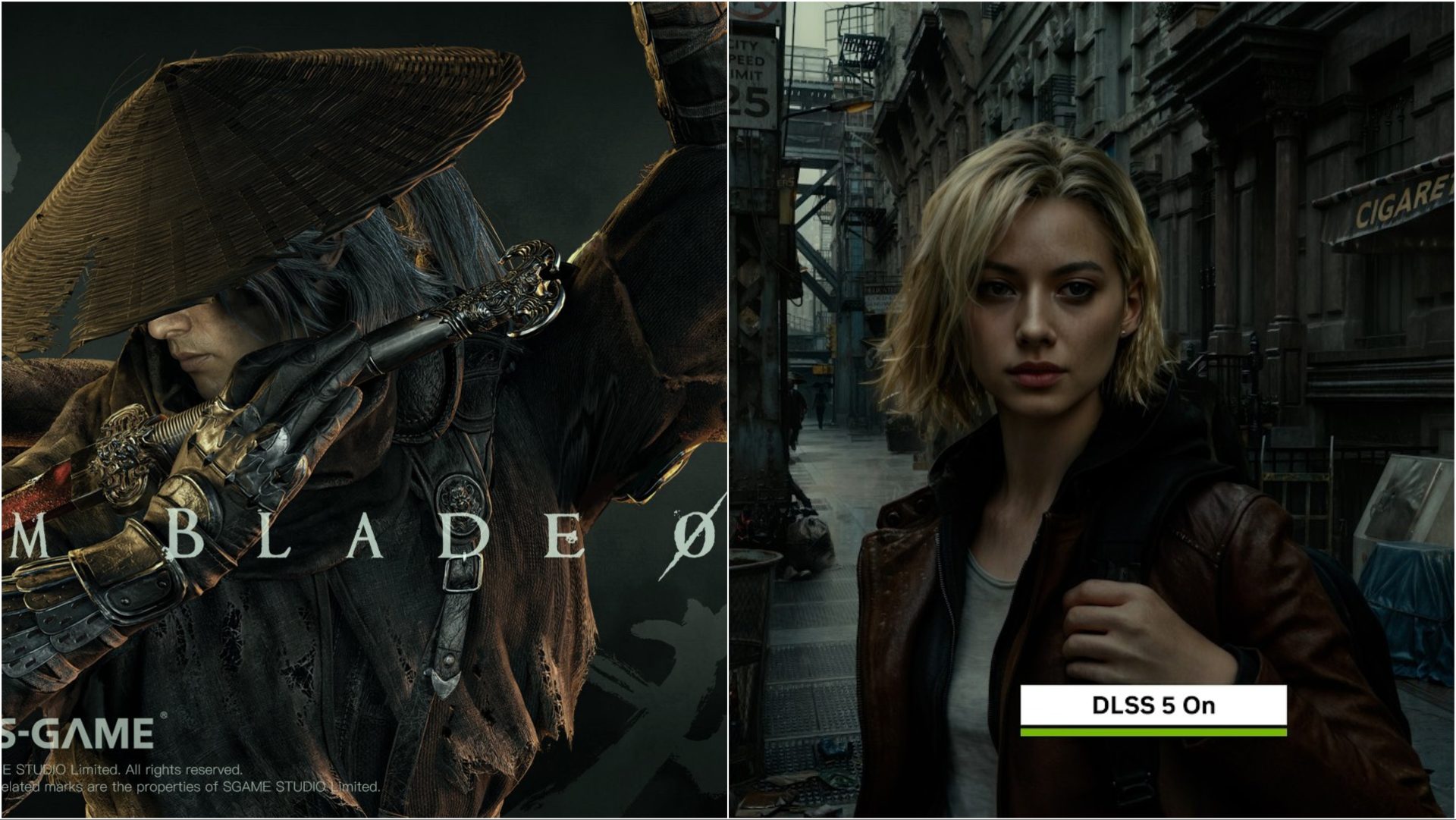
Phantom Blade Zero — yeah, that sleek action RPG teased for years — was supposed to flaunt NVIDIA’s shiny new DLSS 5. Listed right there with the big names: Assassin’s Creed Shadows, Starfield remasters, the works. But nope. Not anymore.
Director Liang Qiwei, aka Soulframe, drops this bomb: every pixel, every brushstroke, stays pure human. No AI meddling. And developers don’t get much blunter than that.
Every single piece of content in our game has been crafted by the hands of real artists. We will not use AI visual tech that could alter our artists’ original creative intent.
Read it twice. That’s not wiggle room. That’s a hard pass on DLSS 5, the tech NVIDIA hyped as frame-rate wizardry powered by neural rendering magic. (Or, as skeptics call it, an AI filter slapping gloss on your game’s soul.)
Here’s the thing. S-GAME, Phantom Blade’s studio, signed up early. They were proud flag-bearers. Now? Cold feet after DLSS 5’s reveal sparked gamer fury. Tweets flew: “It ruins art!” “Lazy dev crutch!” We’ve covered the split opinions — some devs love the perf boost, others see it as visual voodoo.
But this? First real reversal. A dev flipping the bird post-commitment. Ouch for NVIDIA.
Why Did Phantom Blade Zero Ditch DLSS 5?
Look, it’s not just posturing. Soulframe lays it out: characters from 3D actor scans, facial capture in dual languages, motion-capped fights that feel alive. Environments? Hand-scanned Chinese locales, rebuilt by artisans. Maps drawn with brushes on rice paper. Xuan paper, if you’re fancy.
That’s not code-spew. That’s sweat. Years of it. And DLSS 5? Its reveal showed demo scenes warping subtly — lighting tweaks, edge softening that screamed “AI intervention.” Gamers howled. Devs whispered. Phantom Blade listened.
They could’ve spun it. “Opt-in! Performance only!” But no. Full rejection. Why? Because in a sea of AI slop — think those viral uncanny faces — this studio bets on authenticity. Bold. Rare. Maybe stupid in our GPU-worship era.
And here’s my unique dig: this echoes the ’90s texture-filter wars. Remember when bilinear filtering got called “blurry trash” by purists? Devs like id Software stuck to crisp pixels in Quake III, even as hardware begged for softness. History rhymes. Art over aliasing, then and now.
Short para for punch: NVIDIA’s sweating.
Other studios hedge. Liquid Swords on Samson? They dig the pipeline potential but balk at cross-platform woes. Makes sense — DLSS is NVIDIA turf. Console parity? Dream on.
Phantom Blade Zero hits final polish for September 2026 on PC and PS5. No Xbox yet — smart, avoids DLSS drama entirely. Our hands-on? Combat pops like wuxia fever dream. Fluid. Brutal. Human.
Does Dropping DLSS 5 Hurt NVIDIA — Or Gamers?
NVIDIA’s in a pickle. DLSS 5 was their moonshot: multi-frame gen, ray recon, all AI’d up on RTX 50-series. Launch list shrinks. Phantom Blade was a gem — Chinese flair, global buzz. Now it’s a cautionary tale.
Prediction time, my bold call: expect copycats. Indies first, then mid-tiers. “Artistic integrity” sells merch. NVIDIA’s PR? They’ll tweet benchmarks, ignore the optics. But sales teams feel it. Partners whisper doubts.
Gamers? Split. Upscalers juice 4K 120FPS. Vital for behemoths like Starfield. But if your game’s bespoke beauty — like Phantom Blade’s ink-wash worlds — why risk the filter? Tradeoff: buttery frames or director’s cut fidelity.
But wait. Is DLSS 5 even ready? Early demos glitchy. Integration? Nightmares for small teams. Phantom Blade dodged a bullet — or kneecapped perf. We’ll see at launch.
Dry humor break: Imagine the boardroom. “Soulframe who?” Yeah, they’ll learn.
Corporate spin? NVIDIA calls it “neural rendering excellence.” Please. It’s upscaling on steroids. Devs like S-GAME smell the emperor’s new clothes. Good for them.
Diving deeper into the tech rift. Traditional rasterization: predictable, artist-controlled. Ray tracing: physics-true, hardware hungry. DLSS lineage: clever hacks scaling low-res to glory. DLSS 5? Pushes boundaries with temporal AI sorcery. Frames from thin air. Cool. Until it hallucinates a character’s eyelash wrong.
Phantom Blade’s manifesto screams: we control the hallucination. Not some black-box tensor core. Fair. In an industry flooding with procedural noise — No Man’s Sky planets, AI concept art — handmade stands out. Premium.
Yet NVIDIA’s ecosystem locks in. Free tech, killer perf. Devs who bail? Risk fan backlash. “Why no DLSS? Cheap!” Phantom Blade gambles they’ll cheer the purity.
What Else Lurks in Phantom Blade Zero’s Final Push?
Game’s no slouch. Unreal Engine 5 backbone, but customized to hell. Lip-sync in Mandarin/English? Insane fidelity. Combat: parry, dash, combo frenzy. Previews rave.
Launch looms. 2026. Crowded field — Where Winds Meet, Black Myth: Wukong sequels. Differentiation? Human soul. No AI shortcuts.
NVIDIA fallout? Broader. AMD FSR eyes the gap. Intel XeSS too. Multi-upscaler future? Maybe. But DLSS 5’s aura cracks.
One para wonder: Skeptical eyes watch.
Wrapping the dev ethos. Soulframe’s letter? Pride bomb. Not anti-AI wholesale — tools for workflow? Sure. But visuals? Hands off.
Industry ripple. More manifestos coming. Or quiet drops from launch lists.
🧬 Related Insights
- Read more: GM’s Large Physics Models Slash Car Design Weeks to Minutes
- Read more: cuTile BASIC: NVIDIA Makes GPUs Speak 1970s Code – And It Runs Lightning Fast
Frequently Asked Questions
What is DLSS 5 and why the controversy?
NVIDIA’s latest upscaling tech uses AI for fake frames and ray tweaks — but demos sparked fears it’d blur artistic edges.
Why did Phantom Blade Zero reject DLSS 5?
Director Soulframe prioritized unaltered human art: scans, hand-draws, mocap. No AI altering intent.
Which games still plan DLSS 5 support?
Assassin’s Creed Shadows, Starfield, Hogwarts Legacy remaster — but lists shrink fast.