Got a 486 gathering dust in your garage, dreaming of firing up a modern kernel on it?
Think again. Linux kernel maintainers — those unsung heroes who keep this sprawling beast alive — are finally pulling the plug on Intel’s 80486 support in version 7.1. It’s been a long time coming, since that chip hit the scene in 1989, got shoved aside by Pentium in ‘93, and Intel quit making them back in 2007. But hey, Linux’s sprawl meant it hung on, supporting everything from Pong-era relics to Apple’s fancy Arm silicon.
Code commits don’t lie. Phoronix spotted the patches, and boom — no more 486 builds possible. More cleanup to follow in later kernels.
Here’s Ingo Molnar, kernel contributor and hatchet man, laying it out in his patch:
“In the x86 architecture we have various complicated hardware emulation facilities on x86-32 to support ancient 32-bit CPUs that very, very few people are using with modern kernels. This compatibility glue is sometimes even causing problems that people spend time to resolve, which time could be spent on other things.”
Spot on. Maintaining that cruft costs real developer hours — hours better spent on, say, fixing buffer overflows or optimizing for today’s Ryzen beasts.
Why Bother Keeping It This Long?
Linux’s magic trick? Backward compatibility on steroids. Community hackers, bored retirees, museum curators — they’ve kept 486 code breathing for decades. Linus Torvalds himself griped in 2022: zero reason to waste effort on it. Echoes the 2013 drop of 80386 support, when Molnar swung the axe again.
But let’s cut the nostalgia. Who’s actually running a modern kernel on a 486? Emulation freaks? A handful of embedded weirdos? The rest of us ditched those chips when dial-up was cutting edge.
Short answer: nobody that matters.
And yet, it lingered. Like that ex who won’t move out.
Does This Kill Your Retro Computing Dreams?
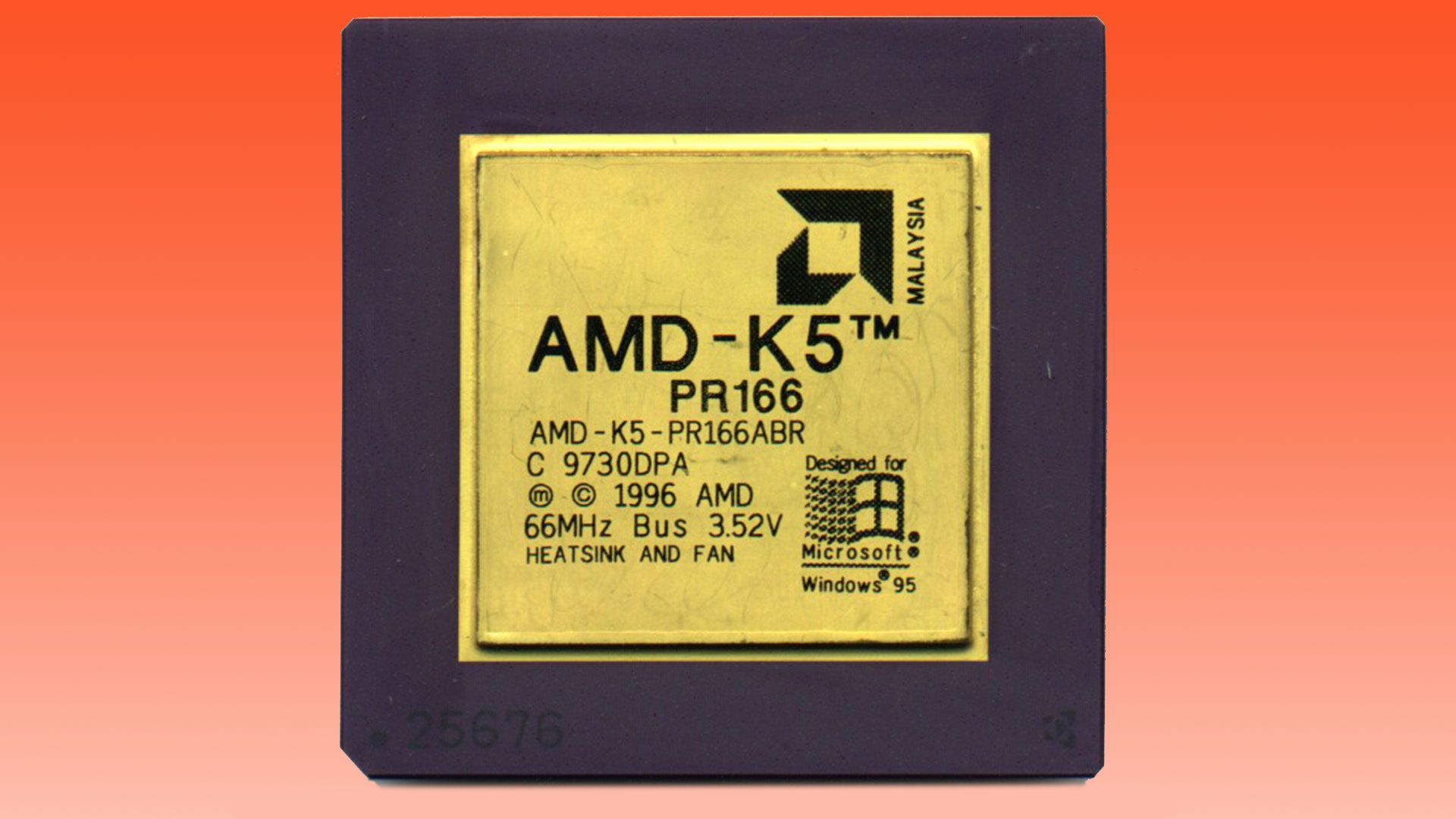
Panic in the retro forums yet? Probably. Cyrix 5x86, AMD Am5x86 — they’re collateral damage too. If you’re dual-booting Slackware on your museum piece, stick to kernel 6.x. Newer ones? Nope.
But here’s my hot take, the one you won’t find in the patch notes: this is Linux shedding its skin, finally. Remember Windows XP’s end-of-life? Microsoft milked it forever, then yanked the cord — security apocalypse ensued. Linux maintainers are smarter, pruning proactively. Prediction: Pentium support vanishes by 2030. Cleaner code, fewer bugs, faster innovation. Who’s making money? Not Intel on 486s, that’s for sure. It’s the distro vendors and hardware OEMs pushing fresh silicon who win.
Cynical? Twenty years watching Valley hype cycles teaches you: legacy support is a money sink. Companies like Red Hat foot the bill for enterprise kernels; they hate dead weight dragging perf.
Look, I get the romance. Booting Doom on original hardware — pure joy. But software evolves. Your 486 isn’t coming back.
It’s brutal. Necessary. Refreshing.
The Bigger Picture: Pruning for the Future
x86-32 emulation layers? Bloated hacks propping up ghosts. Molnar’s right — they glitch modern workloads. Time saved equals features for RISC-V, better Arm support, or whatever AMD cooks up next.
Torvalds has ranted before. In 2022:
“zero real reason for anybody to waste one second of development effort”
He’s not wrong. Kernel bloat is real; this trims fat.
Historical parallel? Unix wars of the ’80s. Systems pruned old ports to survive. Linux does the same, staying lean against systemd wars and container madness.
Who benefits? Everyday users on laptops, servers humming in data centers. Not some collector with a beige box.
Frequently Asked Questions
Does Linux kernel 7.1 still support Intel 486?
No. You can’t build a 7.1 kernel for 486 anymore; full removal follows later.
What other chips lose Linux support from 486 drop?
Cyrix 5x86, AMD Am5x86 — anything pretending to be 486-compatible.
When was Intel 486 support first targeted for removal?
Talks started years ago; Torvalds pushed in 2022, patches now landing for 7.1.
There. Kernel slims down. World keeps spinning.