So, L&T Semiconductor Technologies just inked a multiyear deal with Synopsys. What are they buying? AI-enabled multiphysics simulation software. This isn’t just window dressing. They claim it’ll turbocharge the development of power modules and intelligent power modules. And for those who care about electric vehicles — and who doesn’t these days? — this could have a ripple effect globally.
Power modules. They’re the unsung heroes of our electrified world. Think the grunt work in your electric car’s drivetrain, the efficiency boosters in your data center, the very heart of modern power electronics. Traditionally, designing these beasts is a tedious dance of simulations, approximations, and more simulations. Hours, days, weeks spent tweaking parameters to get it just right. Especially when you’re dealing with the complex interplay of electrical, thermal, and mechanical stresses – the ‘multiphysics’ Synopsys is dangling.
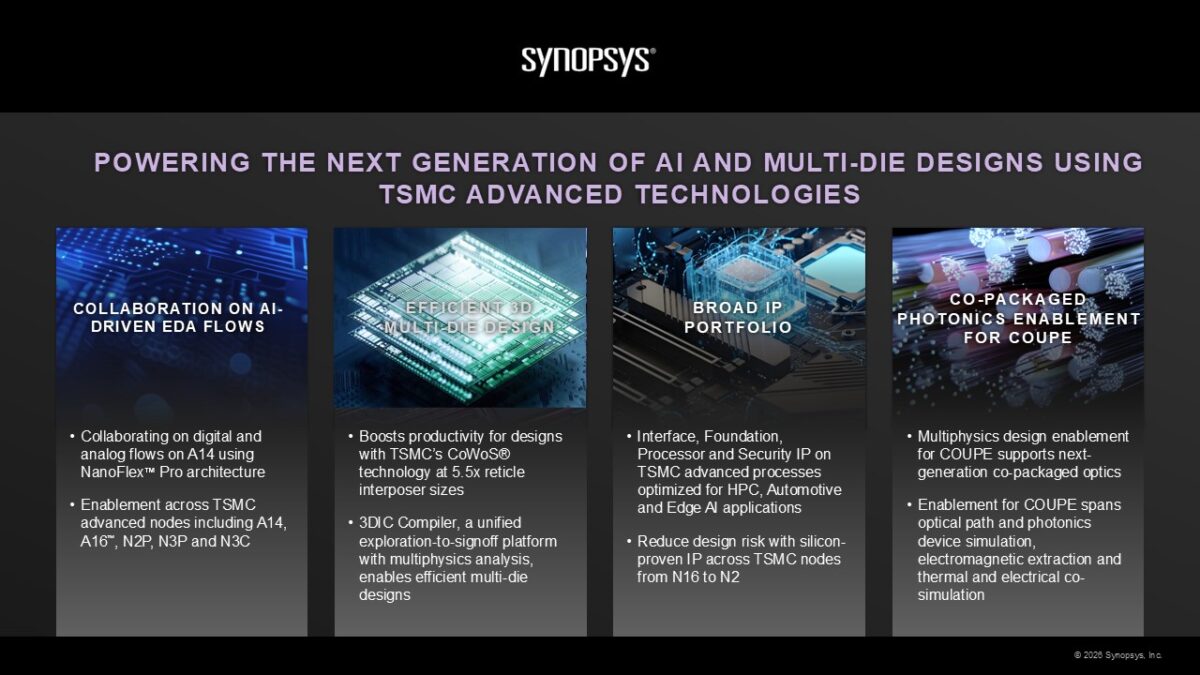
Here’s the thing: AI is supposed to cut through that complexity. Synopsys’ pitch is that their AI can digest vast amounts of simulation data, learn design patterns, and predict outcomes with startling accuracy. This means fewer physical prototypes, less wasted engineering time, and crucially, a faster path to market. For L&T, a company looking to carve out a niche in this increasingly competitive space, speed is everything. They’re not just building chips; they’re building the foundational blocks of future tech.
Is This Just More AI Hype?
It’s easy to roll your eyes. AI is everywhere, plastered on every press release like digital glitter. But in chip design, especially for something as demanding as power modules, the potential is real. These aren’t abstract algorithms churning out poetry. This is about predicting thermal runaway, optimizing current flow under extreme loads, and ensuring reliability when your inverter is sitting next to a roaring engine (or its electric equivalent). The stakes are high, and a few percentage points of efficiency or a few hours saved in design time translate into significant dollars and real-world performance improvements.
Synopsys isn’t exactly a startup hawking snake oil. They’re a titan in the electronic design automation (EDA) world. If they’re pushing AI for multiphysics simulation, it’s because the market demands it, and their technology likely has teeth. The question isn’t if AI can help here, but how much and how quickly it will manifest in actual products hitting the streets.
This agreement signifies a major step towards leveraging artificial intelligence to accelerate the design of next-generation power modules, crucial for the burgeoning electric mobility sector.
That quote, if you can stomach the corporate speak, is the core message. ‘Accelerate design.’ ‘Next-generation power modules.’ ‘Electric mobility.’ They’re hitting all the buzzwords, yes, but they’re also pointing at a tangible outcome: faster, better power components. For L&T, this is about staying competitive. For Synopsys, it’s another sticky contract with a major player.
What Does This Mean for Electric Mobility?
Potentially, a lot. Faster development cycles for power modules could mean more efficient batteries, more strong charging infrastructure, and yes, better performing electric vehicles. Think longer ranges, quicker charging, and maybe even lower costs as manufacturing scales. The complexity of power electronics is a bottleneck in widespread EV adoption. If AI can smooth that bottleneck, we all win.
But let’s not get ahead of ourselves. This is one deal between two companies. The real test will be in the silicon — or rather, the modules that result from it. Will L&T’s next generation of power components genuinely outperform their predecessors thanks to Synopsys’ AI? Will the time savings be as dramatic as promised? These are the questions that matter.
For the engineers on the ground, it means new tools, new workflows, and a constant need to adapt. The days of purely manual simulation tweaking might be numbered. AI isn’t just coming for the creative jobs; it’s coming for the intensely analytical ones too. And in the high-stakes world of semiconductor design, that’s not a bad thing if it leads to better, safer, and more efficient technology for everyone.