Intel’s next-gen Clearwater Forest “Xeon 6+” CPUs are no longer vaporware. They’re officially in full production. Get ready for data centers to get a whole lot more crowded, or maybe, just a lot more efficient. Intel’s betting on the latter.
Why should you care about another server chip? Because this one is Intel’s firstborn on the 18A node. That’s their shiny new manufacturing process, the one they’ve been talking about for what feels like an eternity. Panther Lake and Wildcat Lake are aiming for your laptop, sure, but Clearwater Forest? That’s all business – think 6G and edge AI workloads. The kind of stuff that makes companies sweat about power bills and performance bottlenecks.
Is Intel’s 18A Process Really Ready for Prime Time?
Intel’s throwing its oneAPI 2026.0 toolkit at these things, which is supposed to unlock maximum performance. They’re also making sure this chip plays nice with future Intel families like Crescent Island, Nova Lake, and Diamond Rapids. It’s a whole ecosystem play. The oneAPI itself is a unification effort – compilers, libraries, AI frameworks, analyzers. Sounds good on paper. But we’ve heard that song before, haven’t we? Let’s see if it actually sings.
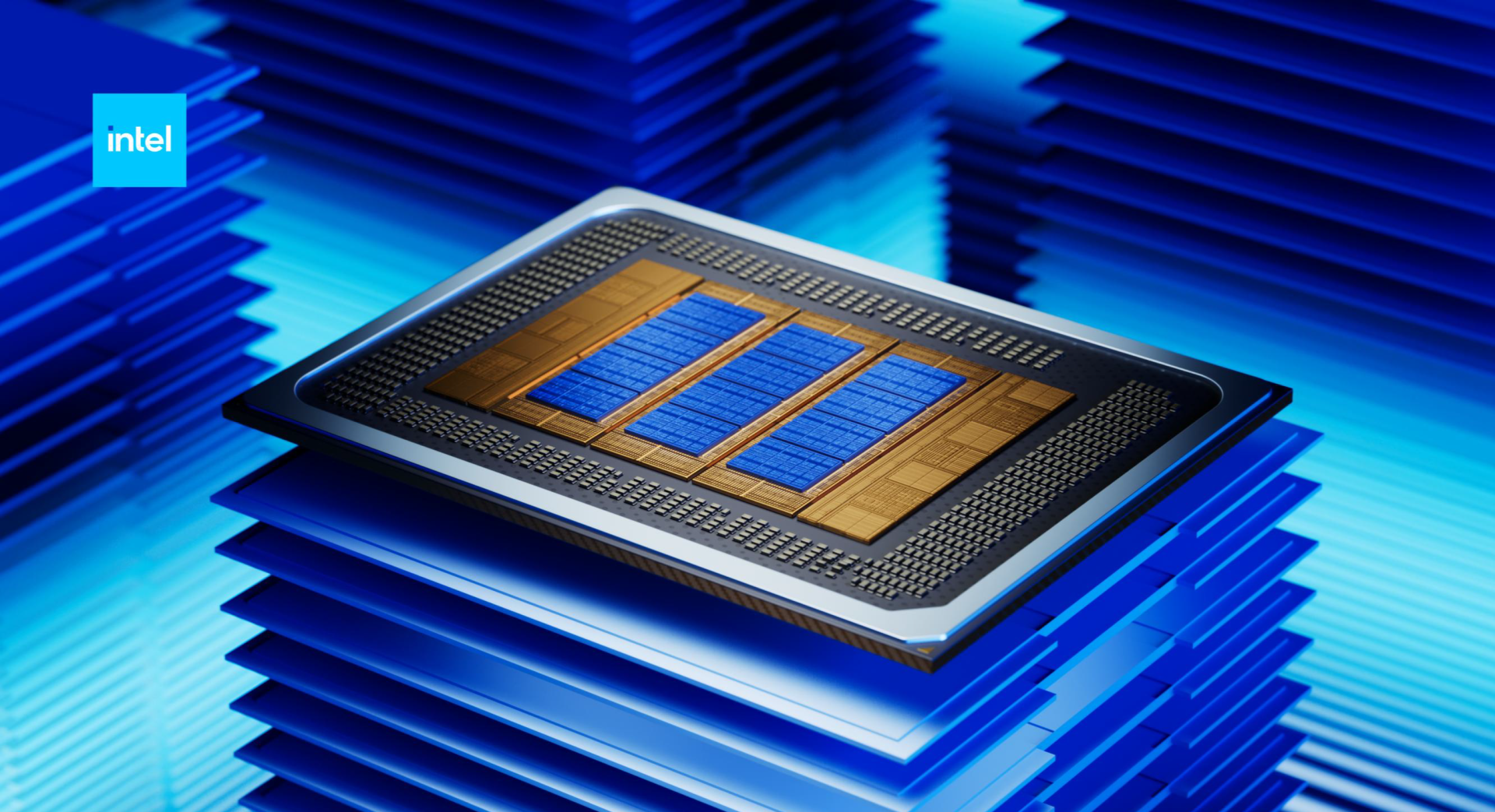
So, what’s under the hood of this Clearwater Forest beast? Up to 288 Darkmont E-Cores, spread across 12 compute chiplets. That’s a lot of cores. And the cache? A mind-boggling 576 MB of L3 and 288 MB of L2. Intel’s really pushing the envelope on density and cache here. They’re even talking about 450W TDPs. This isn’t your grandma’s toaster oven chip; it’s a power-hungry monster, albeit one that’s supposed to be incredibly efficient.
The Core Count Catastrophe (Or Triumph?)
This chip packs a serious punch. 288 cores. It’s a number that sounds almost absurd, but when you’re talking about data centers and AI inference, more cores often means more throughput. Intel claims a single Xeon 6990E+ with 288 cores slashes runtime rack power by 38% and delivers over 60% better perf/watt compared to a dual-socket Xeon 6780E setup. That’s a big claim. If it holds up, this could be a serious win for data center operators trying to keep their electricity bills from orbiting the moon.
This isn’t just about raw core count, though. Intel’s also touting support for 12-channel DDR5 memory at 8000 MT/s, 6 UPI 2.0 links, 96 PCIe Gen5.0 lanes, and 64 CXL 2.0 lanes. That’s a whole lot of bandwidth and connectivity. It’s designed to feed those 288 cores without starving them. The LGA 7529 socket is new, of course. Because why use an old one when you can invent a new one? Standard Intel playbook.
And then there’s the P-core story with Diamond Rapids. Intel’s planning up to 256 cores per chip, with whispers of 512 cores in some variants. Dell’s already talking about their R9810 server, doubling memory bandwidth and boosting core counts by 50% with Diamond Rapids. This is all part of a much larger data center push from Intel, aiming to reclaim lost ground. The competition isn’t standing still, and neither can Intel.
My take? Intel is finally shipping something meaningful on its most advanced node. For years, we’ve heard about their manufacturing woes, their delays. Clearwater Forest on 18A is a concrete step. It’s not just a roadmap slide anymore. The question is whether the performance gains, especially in perf/watt, are as dramatic as the specs suggest. If they can deliver on the efficiency promises, this chip could actually make a dent in the data center AI race. But Intel has a history of over-promising and under-delivering on efficiency. Let’s hope this time is different. Because the world needs more efficient silicon, not just more silicon.