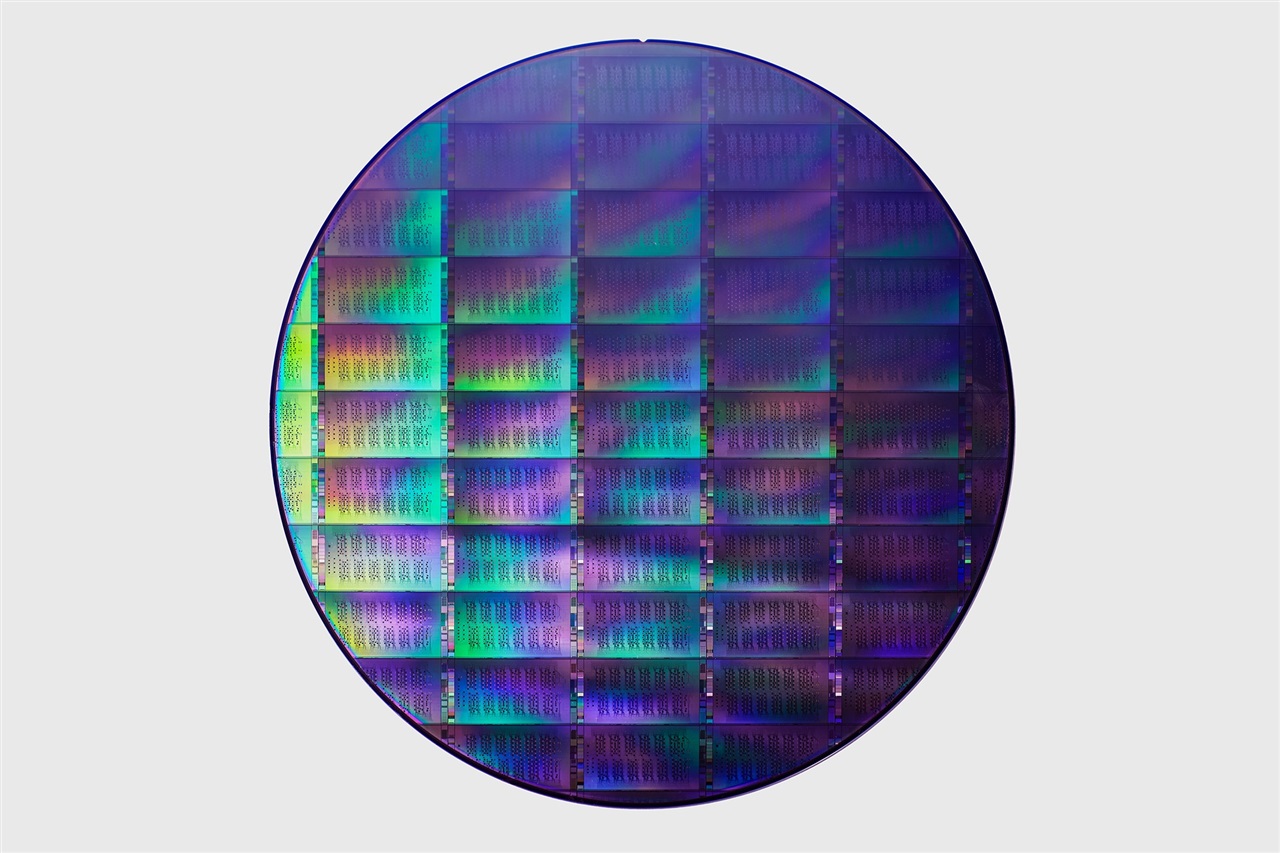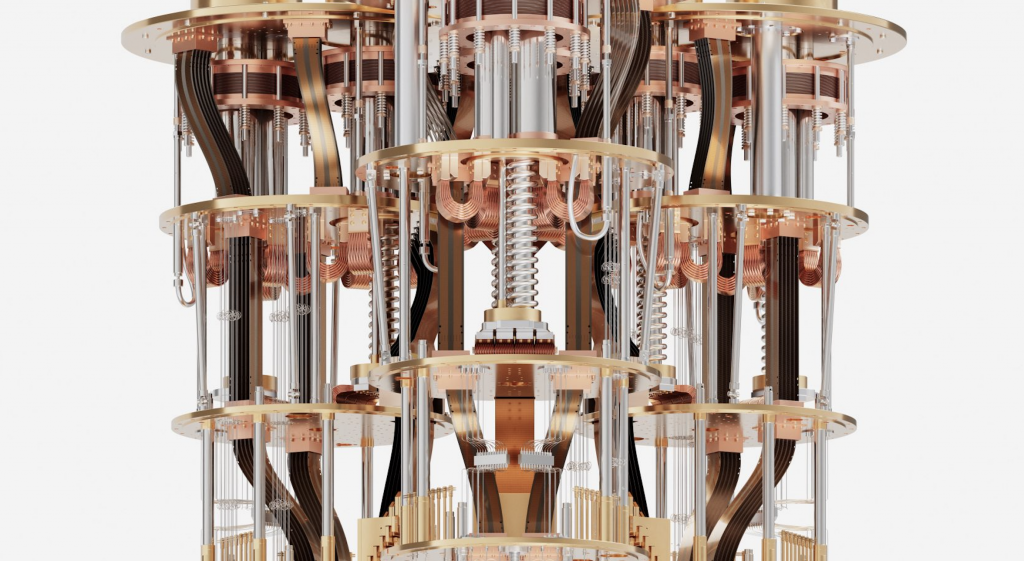
So, can a single foundry truly democratize quantum computing? That’s the trillion-dollar question IBM is asking with its audacious launch of Anderon, America’s first dedicated quantum chip foundry. The ink is barely dry on a proposed $1 billion CHIPS Act award from the U.S. Department of Commerce, matched by an equal slug from IBM itself, all to birth this new entity. It’s a seismic event, aiming to replicate the vital role TSMC plays in the conventional semiconductor world, but for the nascent, often secretive, quantum industry.
Here’s the thing: IBM isn’t just dabbling; they’re going all-in on a 300mm wafer fab in Albany, New York. This isn’t some R&D pet project. This is about manufacturing services for other quantum hardware vendors, potentially including IBM’s own future processors. The sheer scale of the federal commitment—a $2.013 billion quantum portfolio across nine companies—underscores the geopolitical urgency to secure this frontier technology on American soil. But the core architecture of this play, the ‘why’ behind Anderon, hinges on whether a neutral foundry can truly thrive when the dominant players are fiercely, almost existentially, protective of their proprietary designs.
A Nine-Company Package, One Big Question
IBM’s billion-dollar piece of the pie is substantial, but it’s part of a larger federal push. GlobalFoundries is getting $375 million for its own quantum foundry, aiming for broader qubit architecture support. Then there are the others: D-Wave, Rigetti, Atom Computing, Infleqtion, PsiQuantum, Quantinuum, and Diraq, each receiving varying degrees of funding. What’s particularly interesting—and conspicuous—is the equity stake the government is taking in most of these ventures. IBM’s announcement for Anderon, however, is notably silent on this front. Last year, the Trump administration snagged a roughly 10% equity stake in Intel’s manufacturing award. This omission from IBM’s public statement raises an eyebrow. Is Anderon being positioned differently, or is it just an early oversight in a complex deal?
300mm Wafers: The New Frontier for Qubits
IBM’s existing quantum processors, like the impressive Heron r2 with its 156 qubits, are already being churned out on 300mm wafers at the Albany NanoTech Complex. Jay Gambetta, IBM’s Director of Research, points to a significant throughput boost, with a tenfold increase in device complexity and three times the devices per line compared to older 200mm processes. This isn’t just about scale; it’s about laying the groundwork for the fault-tolerant quantum computers IBM envisions by 2029 and beyond. The Starling processor, targeting 200 logical qubits, and the Blue Jay, aiming for 2,000 logical qubits by 2033, will demand this level of fabrication capability.
But here’s where the TSMC analogy hits a snag. Morris Chang, TSMC’s visionary founder, built an empire on the promise of not competing with his clients. IBM? It boasts an ecosystem of over 325 Fortune 500s, universities, and government agencies, and claims more than 90 operational quantum computers. Can they truly be a neutral partner when their own quantum ambitions are so vast and directly tied to the success of these very technologies? Companies like Google, which meticulously builds its own superconducting chips, or IonQ and Quantinuum with their distinct trapped-ion architectures, are highly unlikely to outsource their core fabrication. This leaves Anderon’s near-term addressable market confined to a smaller circle of superconducting qubit companies—Rigetti, IQM, SEEQC, and a few others. The fundamental question remains: will these rivals trust their biggest competitor to fabricate their most advanced, sensitive components?
My Unique Insight: The Intellectual Property Paradox
This entire setup hinges on a delicate dance around intellectual property. While TSMC became the foundry of choice because it didn’t have its own chip designs to compete with its customers, Anderon, owned by IBM, inherently faces this conflict. For a company to outsource to Anderon, they’d need an ironclad assurance that their process design kits (PDKs), their unique qubit layouts, their specific fabrication steps—the very IP that gives them a competitive edge—won’t leak, intentionally or otherwise, back to IBM’s own R&D or product roadmaps. This isn’t just about trust; it’s about the architectural safeguards and legal firewalls that will need to be put in place, and the skepticism they’ll have to overcome. The temptation for IBM to glean insights from its clients’ fabrication needs, even inadvertently, is immense. This makes Anderon less of a pure-play foundry and more of a strategic play for IBM to potentially learn from the broader quantum industry while simultaneously trying to lead it.
Why Does This Matter for Developers?
For developers building applications on quantum computers, this Foundry model, if successful, could be a game-changer. Imagine a future where access to cutting-edge quantum hardware isn’t limited to a handful of vertically integrated giants. A strong foundry ecosystem means more players, more diverse hardware architectures being produced at scale, and potentially lower costs. This translates to more options for researchers and developers to test algorithms and build the quantum software of tomorrow. It could accelerate the pace of discovery and broaden the accessibility of quantum computing, moving it from a niche research tool to a more widely available platform.
The Risk of a One-Trick Pony
While the focus is heavily on superconducting qubits, the quantum landscape is diverse. Ion traps, photonic systems, and topological qubits—each has its own unique fabrication requirements. Anderon’s initial focus on superconducting wiring, through-silicon vias, and bump interconnects is a pragmatic starting point, but its long-term viability will depend on its ability to adapt and support other modalities. If Anderon becomes exclusively a superconducting foundry, it risks becoming a one-trick pony in an industry that thrives on diverse approaches. The $2 billion investment is significant, but the challenge of manufacturing fidelity across multiple qubit types is immense.
🧬 Related Insights
- Read more: Musk at Intel Fab: AI Chip Race Heats Up [Inside Scoop]
- Read more: Memory Chip Shortage: AI’s Feast Means Your Famine for Years
Frequently Asked Questions
What exactly is a quantum chip foundry? A quantum chip foundry is a specialized manufacturing facility that produces quantum processors (qubits) for other companies, similar to how traditional semiconductor foundries like TSMC make chips for companies like Apple or NVIDIA.
Will Anderon replace IBM’s own quantum chip manufacturing? No, Anderon is intended to be a standalone company offering fabrication services to the broader quantum industry, including IBM. IBM’s internal quantum chip production will likely continue, potentially utilizing Anderon’s services.
Is this the first time a company has tried to build a quantum foundry? While IBM has discussed quantum fabrication capabilities, Anderon is positioned as America’s first pure-play quantum chip foundry, aiming to serve multiple vendors as its primary business model, which is a novel approach in the quantum space.