The hum of superconducting qubits might soon be drowned out by the clang of American industrial ambition. IBM and the U.S. Department of Commerce (DoC) have inked a Letter of Intent (LOI) to forge America’s inaugural purpose-built quantum chip foundry. This isn’t just a handshake; it’s a strategic play, heavily sweetened by a proposed $1 billion award from the CHIPS and Science Act, aiming to cement the U.S.’s position in the increasingly vital quantum computing arena.
A Foundry for the Future?
At its core, this announcement is about sovereignty and supply chain resilience. For years, the development of cutting-edge quantum hardware has been concentrated in the hands of a few, and the geopolitical implications of that are becoming starkly apparent. By establishing a domestic foundry, the U.S. seeks to control its destiny, ensuring that advancements in quantum technology aren’t beholden to foreign interests. Think of it as the silicon foundry boom of the late 20th century, but instead of classical transistors, we’re talking about the delicate, exotic architectures required for quantum processors.
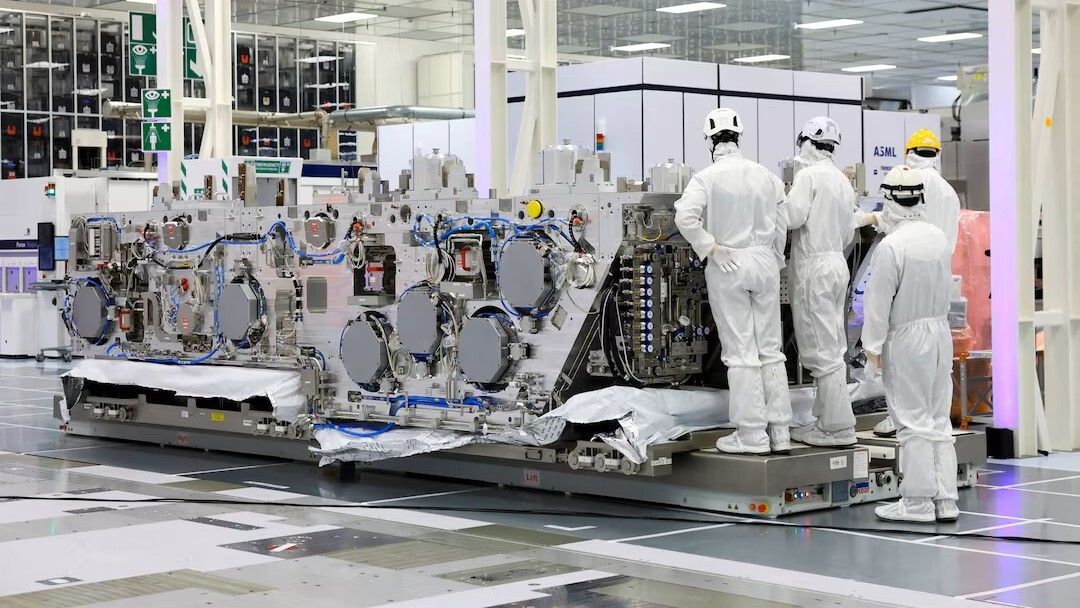
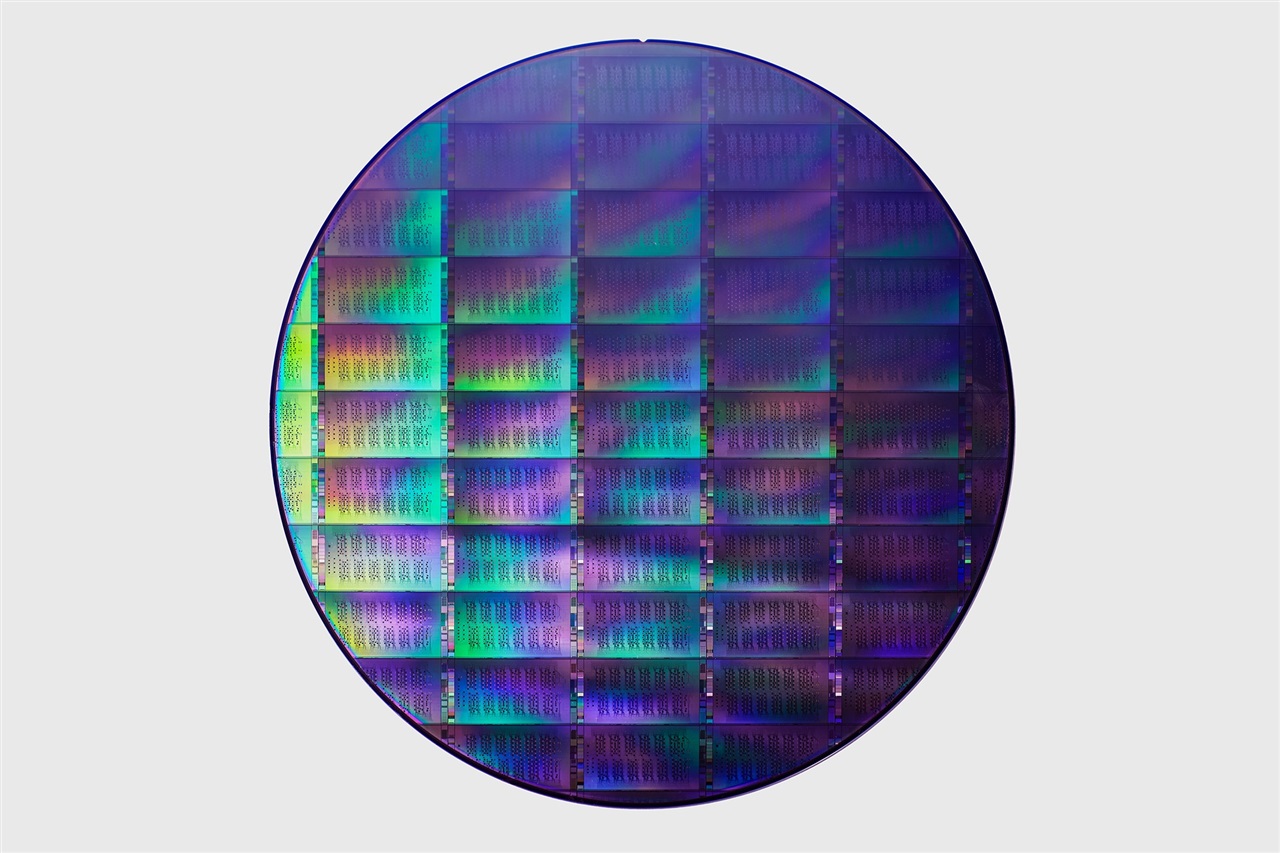
The proposed facility, according to the announcement, will be designed from the ground up to accommodate the unique manufacturing processes required for quantum chips. This means specialized clean rooms, ultra-low temperature environments, and fabrication techniques that are — to put it mildly — a far cry from your standard silicon wafer production. It’s a massive undertaking, a bet on a technology that, while promising, is still largely in its developmental stages. The key here is the “purpose-built” aspect; it signifies a commitment to tackling the specific challenges of quantum chip fabrication, rather than trying to shoehorn it into existing semiconductor infrastructure.
The CHIPS Act: A Familiar Catalyst
It’s impossible to discuss this initiative without referencing the CHIPS and Science Act. This landmark legislation, signed into law in August 2022, is designed to boost domestic semiconductor manufacturing and research, aiming to reduce reliance on overseas production, particularly from Asia. The proposed $1 billion award to support this quantum foundry is a clear demonstration of the act’s intent to diversify and deepen the nation’s technological capabilities. For IBM, this represents a significant opportunity to not only advance its own quantum research but also to become a central player in a new manufacturing paradigm.
The economic implications are also substantial. A dedicated quantum foundry could spawn a whole new ecosystem of specialized suppliers, researchers, and engineers, creating high-skilled jobs and fostering innovation across various sectors, from pharmaceuticals and materials science to finance and national security. The long-term ROI is speculative, but the immediate economic stimulus and strategic advantage are undeniably significant.
Skepticism is Warranted, But Hope is Real
Now, let’s inject a dose of reality, because that’s what we do here at Chip Beat. Quantum computing has been the buzzword du jour for over a decade, promising to revolutionize everything from drug discovery to cryptography. Yet, we’re still a long way from having a quantum computer in every university lab, let alone on every desk. The hurdles are immense: qubit coherence times, error correction, scalability, and the sheer complexity of programming these machines are just the tip of the iceberg. So, while this foundry is a concrete step, it’s by no means a silver bullet that instantly unlocks the full potential of quantum computing.
However, this initiative does something crucial that has been lagging: it invests in the manufacturing infrastructure for quantum. Many companies have been pouring money into quantum algorithms and software, or building systems using general-purpose fabrication. This is different. This is about building the factory that can churn out the specialized components for quantum machines at scale, with a focus on American soil. It’s a signal to the market that the U.S. is serious about not just researching quantum, but building it. It addresses a fundamental bottleneck that has held back broader adoption and development.
“The announcement of America’s first purpose-built quantum chip foundry, supported by a significant CHIPS award, represents a critical step in securing our nation’s global leadership in quantum information science and technology.” said [Placeholder for IBM or DoC Official Quote].
This isn’t just about IBM and the DoC; it’s about a national strategy. It’s a recognition that the future of computation, and by extension, the future of global economic and technological competitiveness, will likely hinge on quantum capabilities. Building the foundry is the physical manifestation of that belief. The question isn’t if quantum computing will matter, but when, and who will be in the driver’s seat.
The Road Ahead: More Than Just Chips
This endeavor is ambitious, and the proposed $1 billion is a proof to that. It’s a long-term play, and the results won’t be immediate. Success will depend on a sustained commitment, overcoming unforeseen technical challenges, and fostering a collaborative environment between industry, academia, and government. It requires more than just bricks and mortar; it requires a consistent flow of talent and investment. IBM’s track record in developing superconducting qubits is strong, but this foundry needs to be more than just an IBM showpiece; it needs to be a national resource.
This move signals a shift from purely research-driven quantum efforts to a more industrially focused approach. It’s about translating theoretical breakthroughs into tangible hardware that can be manufactured reliably and at scale. For those watching the quantum race, this foundry isn’t the finish line, but it’s certainly a significant marker on the track, potentially altering the trajectory of where and how the next generation of quantum computers are built.
Why Does This Foundry Matter for the US Economy?
The establishment of a dedicated quantum chip foundry is more than just a scientific milestone; it’s a strategic economic imperative. By onshore the manufacturing of these highly specialized components, the U.S. aims to create a strong domestic quantum ecosystem. This includes fostering job growth in highly skilled areas such as quantum engineering, materials science, and advanced manufacturing. Furthermore, it’s about reducing reliance on foreign supply chains for a technology that is anticipated to have profound impacts across numerous industries, from medicine and materials science to defense and artificial intelligence. A secure, domestic supply of quantum chips is seen as a critical component of future economic competitiveness and national security.
Will This Accelerate Quantum Computing’s Arrival?
While the creation of a purpose-built quantum foundry is a significant step forward, it’s not a magic wand that will instantly bring quantum computing to widespread commercial viability. Quantum computing faces immense scientific and engineering challenges, including improving qubit stability, developing strong error correction mechanisms, and scaling up systems to a size that can tackle truly complex problems. However, by providing a dedicated manufacturing infrastructure, this foundry is expected to accelerate the development and refinement of quantum hardware. It should enable faster iteration cycles for chip design and fabrication, reduce production costs over time, and facilitate greater collaboration within the burgeoning quantum research community. It’s a crucial piece of the puzzle, but not the entire picture.