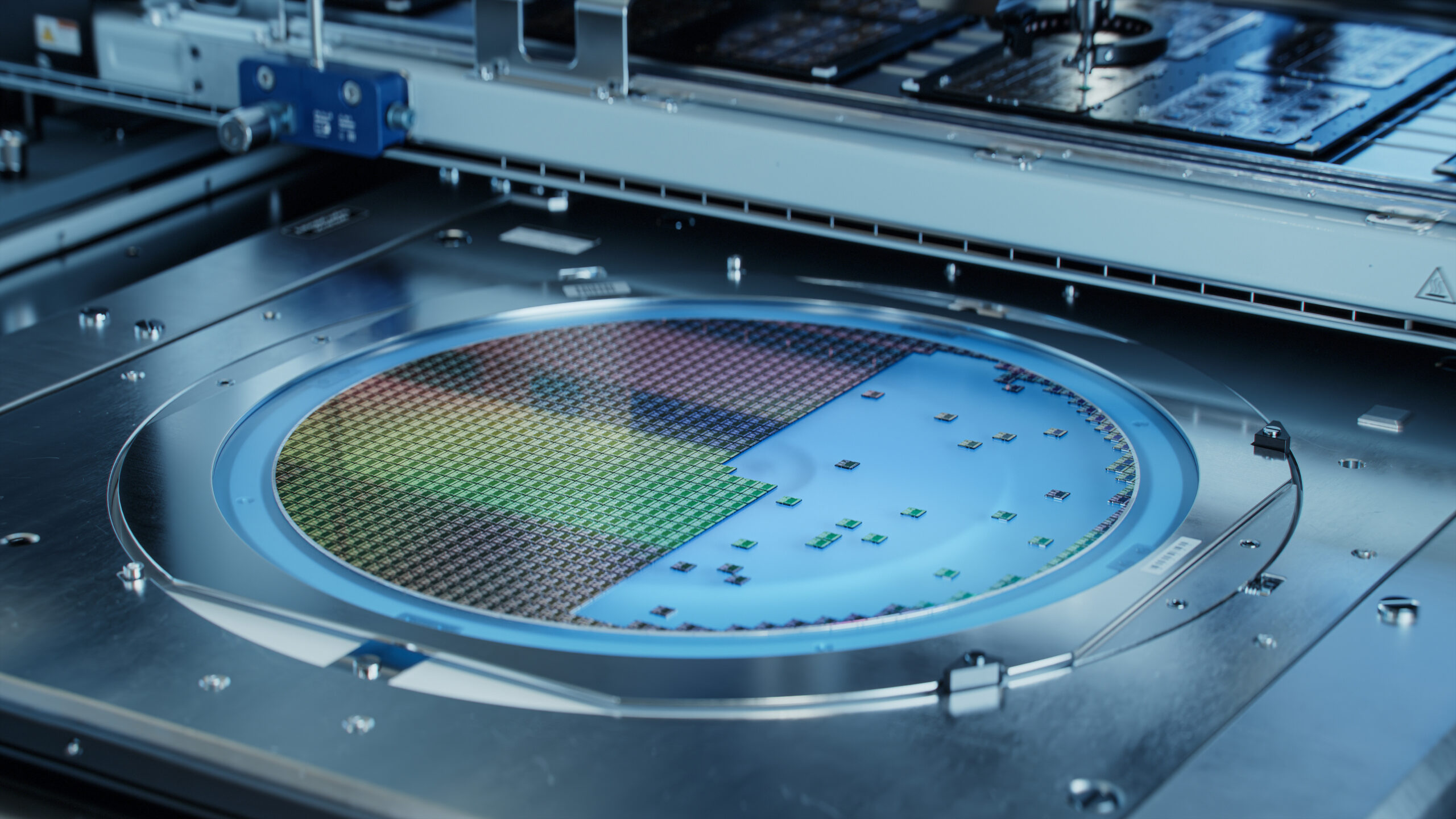
The hum of cooling fans in an AI server farm. That’s the sound of money being made, and apparently, the sound of GlobalWafers’ bottom line getting a healthy jolt.
GlobalWafers, bless their semiconductor hearts, just announced a rather unsurprising move: they’re going to make more Gallium Nitride (GaN). Why? Because the world apparently needs even more chips to power the endless quest for faster algorithms and smarter cat videos. Chairperson Doris Hsu, speaking after a shareholders’ meeting that probably involved more spreadsheets than champagne, pointed directly at AI servers as the golden goose, touting the “strong demand for high-efficiency power solutions.” You don’t say.
Here’s the thing about GaN. It’s not exactly new. It’s been buzzing around for years, promising faster charging for your phone and more efficient power electronics. But now, with every company under the sun scrambling to build their own AI empire, the demand for these specialized chips is, well, exploding. Think of it like a rock concert where suddenly everyone wants a backstage pass to the power grid. GlobalWafers is just the bouncer saying, “Alright, alright, we’ll open another door.”
Can GaN Keep Up With the AI Gold Rush?
This isn’t just a minor tweak; it’s a phased capacity expansion. They’re talking about adding more lines, more fabs, more stuff to churn out these GaN wafers. The goal? To ease the “supply crunch.” A crunch that’s been looming like a poorly rendered NPC in a video game. They claim this expansion will support everything from electric vehicles to — surprise, surprise — data centers. It’s the tech equivalent of shouting “We’re building more roads!” when everyone’s already stuck in traffic.
The company’s strategic move involves not just increasing production but also ensuring a stable supply chain, a concept that’s become as rare as a polite comment section online. They’re looking to secure raw materials and optimize their manufacturing processes. All noble efforts, but let’s be honest, the real driver here is the insatiable appetite for AI computation. Every new AI model released is another spark thrown onto an already raging bonfire of chip demand.
And it’s not just about making more wafers; it’s about making them better. GlobalWafers is investing in what they call “vertical integration,” which is a fancy way of saying they want to control more of the process from start to finish. This means less reliance on outside suppliers and, theoretically, more predictable output. It’s a smart play, especially in these unpredictable times, but it’s also a massive capital investment. This isn’t some garage startup tinkering with a Raspberry Pi; this is big money moving big machines.
“The company’s core compound semiconductor business, gallium nitride (GaN), is addressing strong demand for high-efficiency power solutions in AI servers.”
My main beef? It all sounds very… expected. Chipmakers have been riding the AI wave for a while now, and GaN is just the latest battlefield. While GlobalWafers’ announcement is a nod to the realities of supply and demand, it also feels like they’re simply playing catch-up. The real question isn’t if they’ll expand, but how quickly and how effectively they can deploy this new capacity before the next big chip trend emerges. Remember Bitcoin miners? They were the AI servers of yesteryear, and look how that turned out.
This expansion is a necessary evil, a bet on the continued dominance of AI and high-power computing. They’re not inventing a new paradigm; they’re scaling up an existing one. It’s a solid business decision, no doubt, but let’s not pretend this is some stroke of genius that will redefine the industry. It’s a calculated response to a very loud market signal.
Why Does This Matter for the AI Gold Rush?
The AI boom is predicated on enormous computing power, and power requires efficient energy management. That’s where GaN shines. It’s more efficient than traditional silicon in many high-power applications, meaning less wasted energy and less heat. For massive data centers running 24/7, that efficiency translates directly into lower operating costs and the ability to pack more processing power into a smaller footprint. So, while you’re marveling at the latest AI-generated artwork, remember that a whole lot of power conversion is happening behind the scenes, and GaN is becoming increasingly vital for that.
This capacity expansion is a crucial piece of the puzzle for companies developing the next generation of AI hardware. Without sufficient supply of these advanced materials, even the most brilliant chip designers are left with brilliant, but ultimately unusable, blueprints. GlobalWafers is essentially providing the bricks and mortar for the AI infrastructure of tomorrow. It’s a vital role, but one that comes with immense pressure to deliver.
Think about it: if GaN becomes the bottleneck for AI server development, then companies like GlobalWafers hold an outsized amount of influence. They can dictate terms, influence pricing, and even shape the pace of AI innovation itself. It’s a powerful position, and one that requires a delicate balance between profit and responsibility. Let’s hope they’re up to the task, because the AI party isn’t showing any signs of slowing down.
🧬 Related Insights
- Read more: NVIDIA’s Omniverse Libraries: Physical AI Plug-Ins, Minus the Monolith
- Read more: Nvidia CEO on Smuggling: Fix This Mess
Frequently Asked Questions
What is GaN in chip manufacturing? Gallium Nitride (GaN) is a compound semiconductor material used to create highly efficient power electronics and high-frequency devices. It’s known for its ability to handle higher voltages and temperatures than silicon, making it ideal for applications demanding high power efficiency.
How much more GaN capacity is GlobalWafers adding? The article mentions a “phased capacity expansion” but doesn’t specify exact figures for the increase in GaN wafer production. GlobalWafers is implementing this expansion in stages to meet growing demand.
Will this expansion lower the cost of AI servers? While increased supply can theoretically lead to more stable pricing, the high demand for GaN and the complex manufacturing process mean it’s unlikely to cause a dramatic drop in AI server costs in the short term. The expansion aims to alleviate crunch, not necessarily drive down prices significantly.