Fix export controls.
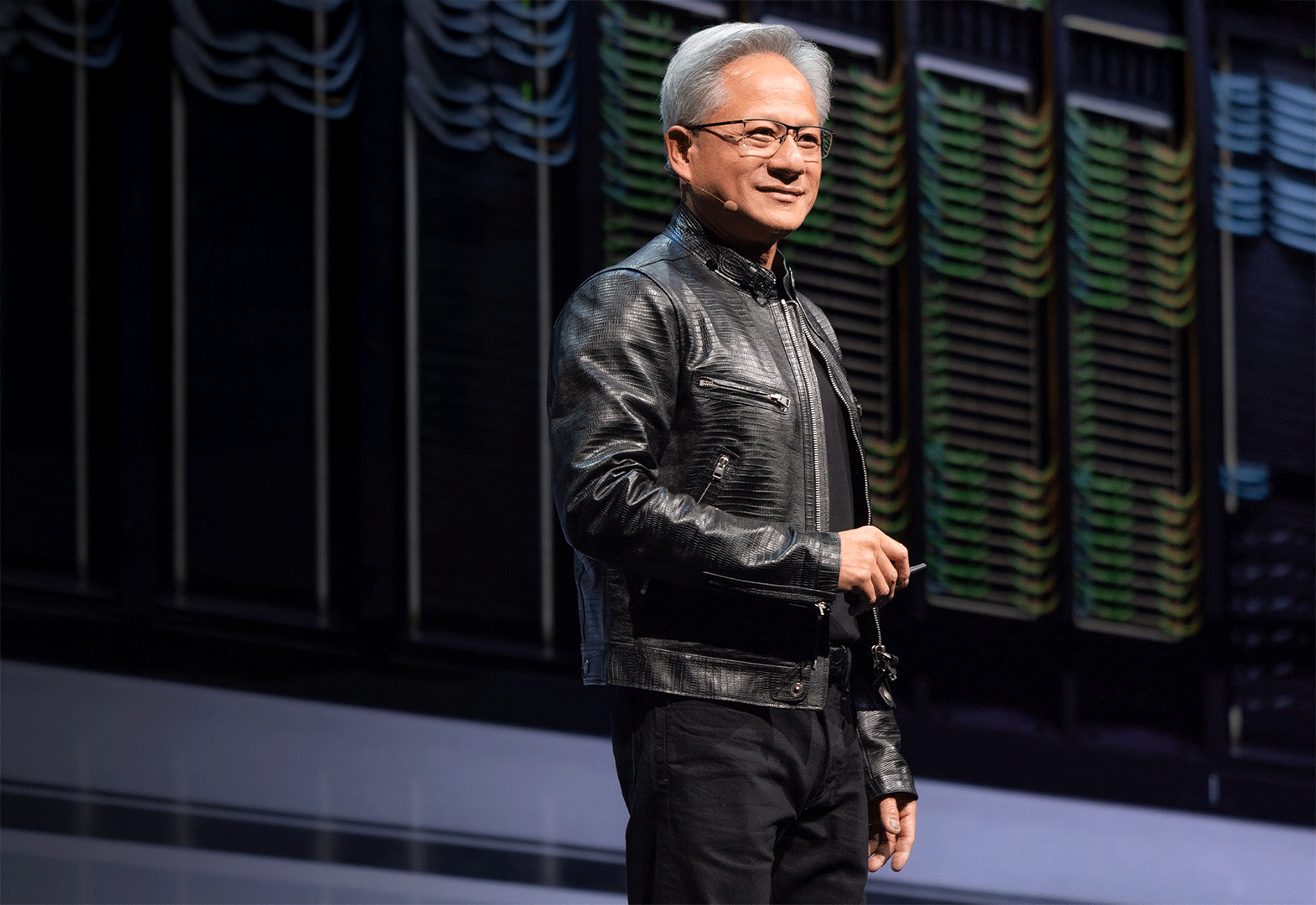
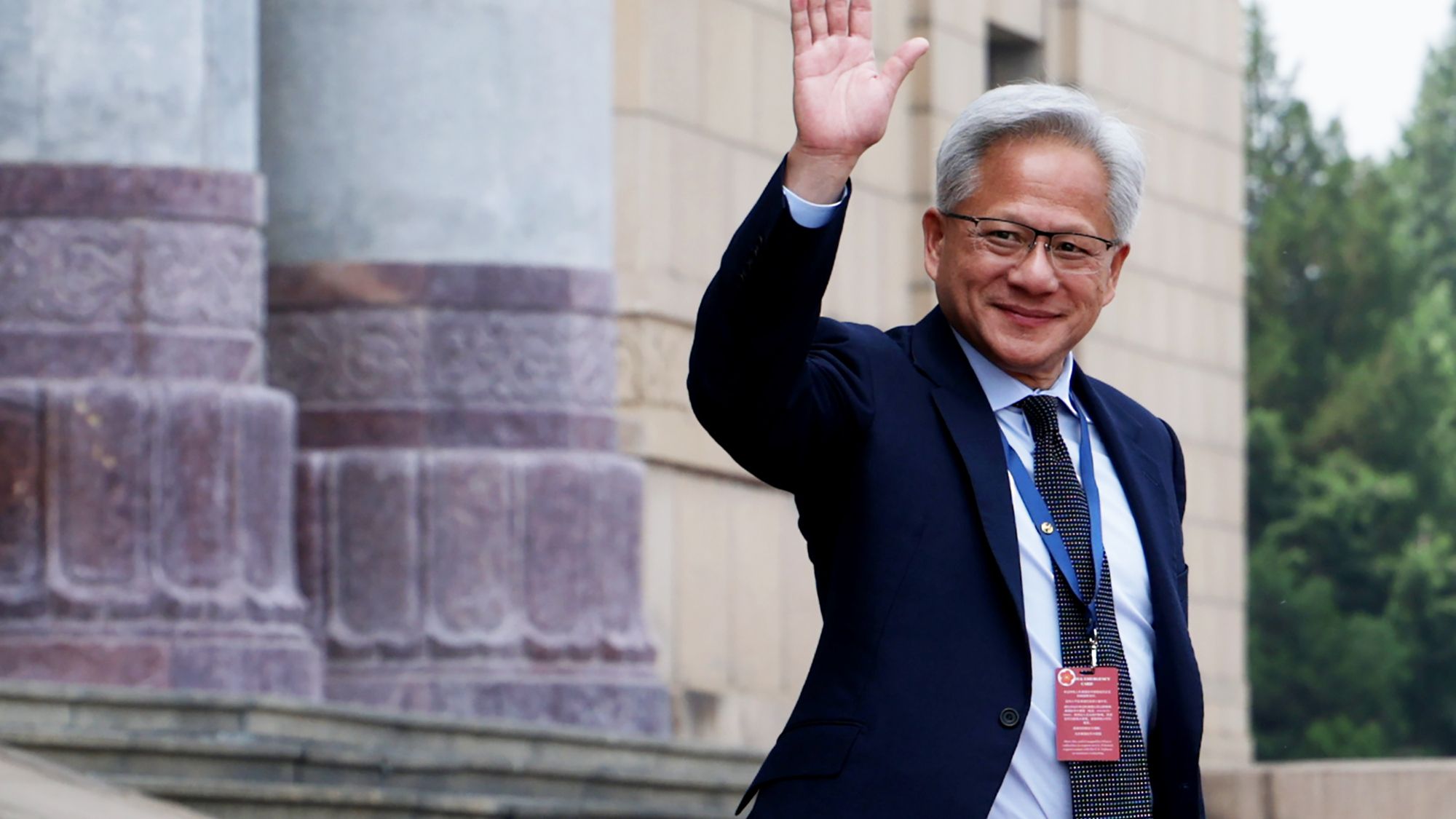
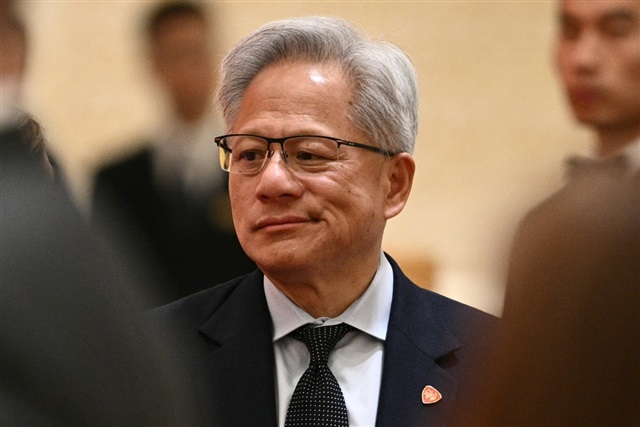
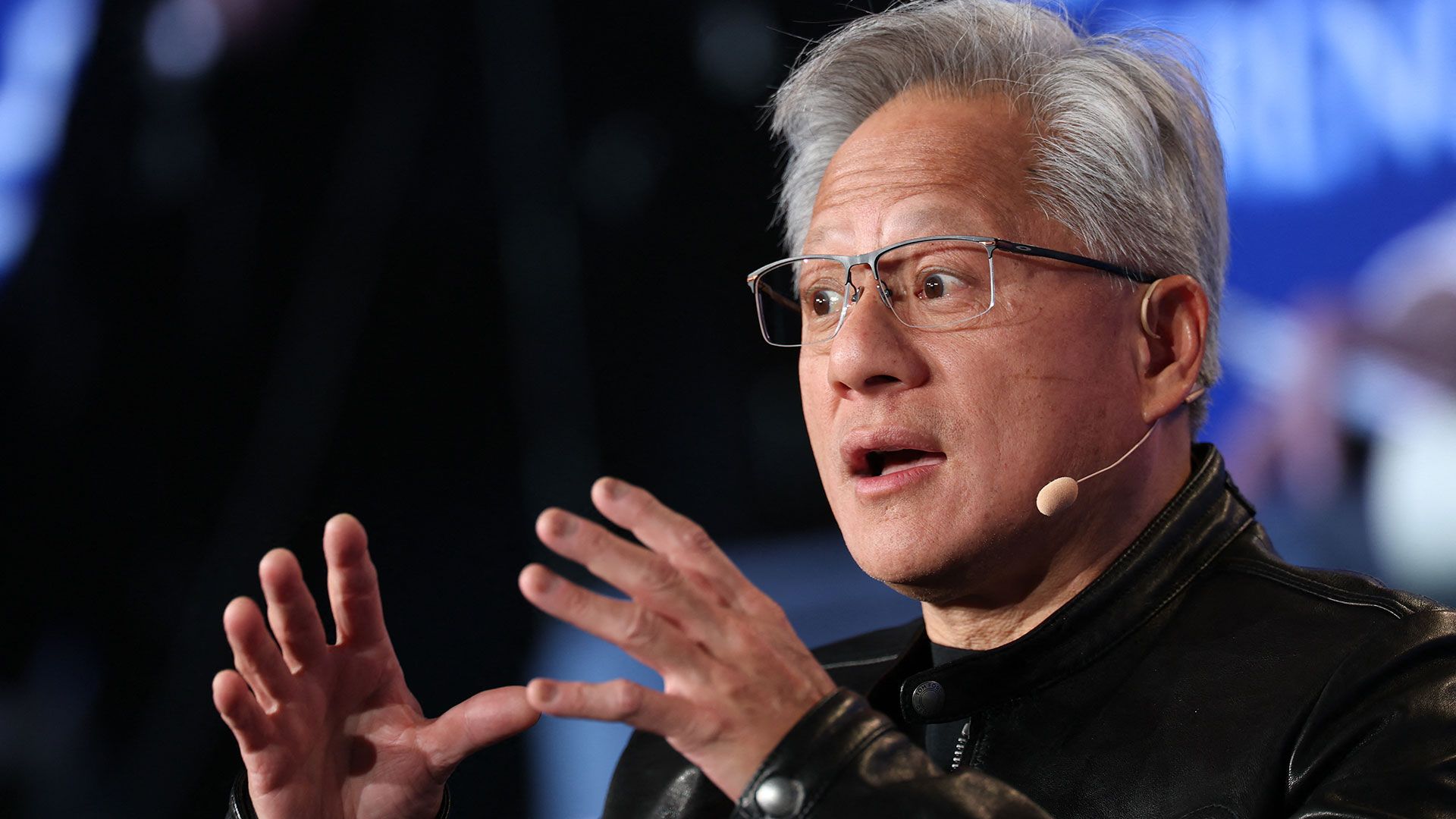
That’s the rallying cry from Nvidia CEO Jensen Huang, fresh off a rather awkward landing in Taipei. You see, it’s not just about slapping down a few dusty regulations. We’re talking about a $2.5 billion server smuggling operation, folks. The kind that makes you wonder if anyone’s actually paying attention over at Super Micro Computer. Huang, never one to mince words (unless it’s a carefully crafted earnings call), made it clear: Nvidia’s partners need to shape up and ship right, abiding by Uncle Sam’s export rules. “We insist our partners are compliant. We hope that they will enhance and improve their regulation compliance and prevent that from happening in the future,” he told reporters. Plain and simple. No spin, just a stern talking-to.
And it’s not just a rhetorical scolding. Taiwan’s been on the case too, launching its first official crackdown on illicit AI hardware exports. This whole mess with Super Micro, linked to shadowy shell companies in Southeast Asia funneling Nvidia-loaded servers straight to China, is starting to get some serious heat. The U.S. indictment against Supermicro’s co-founder and others is ongoing, though the company itself claims it’s just cooperating. Right.
This whole affair really shines a light on the shaky foundations of these global tech supply chains. It’s a whole lot of moving parts, a dizzying array of partners, and then, poof, $2.5 billion worth of high-end tech somehow disappears into the ether, only to reappear where it’s decidedly not supposed to be. It’s like a magic trick, except the magician is playing with national security and billions of dollars.
China’s AI Ambitions and Nvidia’s Tightrope Walk
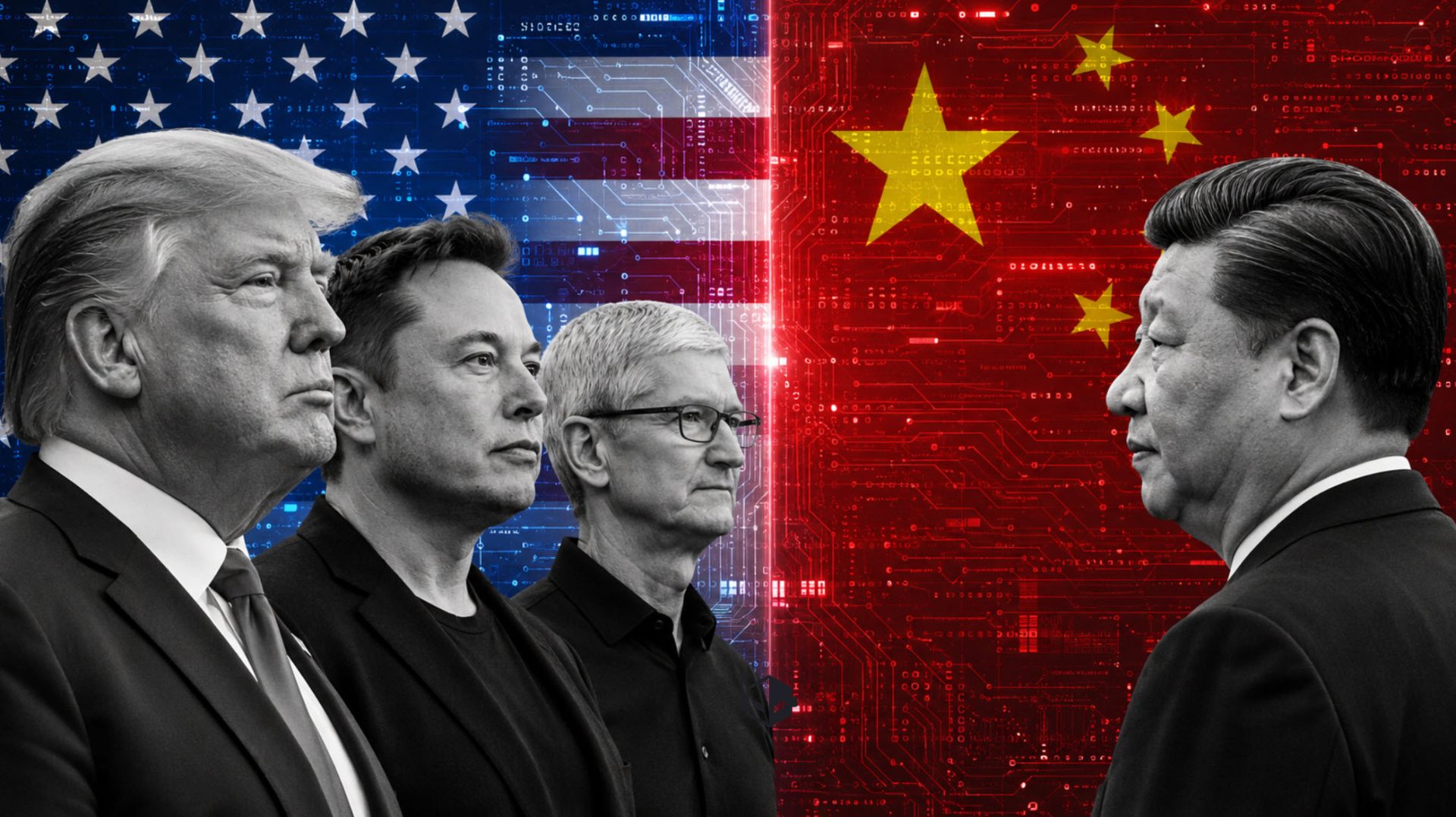
Huang, ever the showman, also confirmed that the lucrative Chinese market remains firmly on Nvidia’s radar, even with the recent whispers of U.S. restrictions. He even brought up the upcoming Vera CPU, projecting a staggering $200 billion addressable market that, yes, includes the Middle Kingdom. The H200 chip, he noted, has been licensed for export. Terrific. Except, surprise, surprise, not a single one has actually landed in Chinese hands. Despite approvals for a handful of firms, shipments are apparently stuck in some bureaucratic purgatory, possibly due to delicate trade talks between the U.S. and China. It’s a classic Silicon Valley juggling act: trying to satisfy shareholders, appease governments, and keep those revenue streams flowing, all while walking a tightrope over an international incident.
Nvidia’s Taipei Takeover
Of course, Huang’s visit is also about the big show – GTC Taipei and his keynote at Computex. He’s hyping the Vera Rubin platform, calling it potentially the biggest product launch in Taiwan’s history. Nearly 2 million parts, 150 local partners. It’s a proof to Nvidia’s massive reach and the integral role Taiwan plays in its ecosystem. Yet, beneath the glitz and the projections of future dominance, there’s this undercurrent of… well, things going wrong. Seriously wrong.
My unique insight here, after two decades of watching these guys spin tales, is that the Supermicro scandal isn’t just a regulatory hiccup. It’s a symptom of a much larger, almost inherent, fragility in the way these massive hardware companies operate. They rely on an complex web of suppliers and distributors, often operating in regions with less-than-transparent oversight. When things get that complex, with that much money changing hands, the opportunity for a few bad actors – or a systemic breakdown in internal controls – to exploit the system becomes almost inevitable. Nvidia wants to point fingers at Supermicro, and rightly so, but the sheer scale of this operation suggests a more systemic issue than just a rogue co-founder. It’s a problem embedded in the very architecture of globalized hardware manufacturing and distribution.
Who’s Actually Making Money Here?
Let’s cut through the PR noise. Nvidia, obviously. They design the chips, they license them, and they command exorbitant prices because everyone – from gamers to AI labs to the military – needs their silicon. Super Micro? They build the servers that house these chips. Their business model relies on being a key conduit, a high-volume assembler and distributor. And when they get caught allegedly facilitating an illegal trade worth billions? Well, that’s a pretty serious blow to their reputation and their bottom line. But the real money, the astronomical profits, are being hoovered up by the chip designers. The rest is just plumbing, albeit very expensive and high-stakes plumbing.
Will This Smuggling Bust Impact Nvidia’s Stock?
In the short term, probably not much. Nvidia’s stock is on a different orbit, driven by the insatiable demand for AI hardware. Huang’s public statements, while stern, are designed to reassure investors that Nvidia isn’t directly implicated and is taking steps to mitigate risk. Long-term, however, repeated compliance failures within its partner network could lead to increased scrutiny from regulators, potential fines, and maybe even forced changes in how they vet and manage their supply chain. That’s a cost that eventually trickles down.
**
🧬 Related Insights
- Read more: Argonne, UIC Blend AI and HPC for Science
- Read more: AMD’s Ryzen 9 9950X3D2 Dual Edition: 208MB Cache Monster Redefines Gaming Silicon
Frequently Asked Questions**
What is Supermicro accused of?
Super Micro Computer is accused of conspiring to smuggle approximately $2.5 billion worth of servers equipped with Nvidia AI chips to China through shell companies in Southeast Asia, bypassing U.S. export controls.
What did Nvidia CEO Jensen Huang say?
Jensen Huang urged Supermicro and its partners to strengthen export compliance controls and ensure they follow U.S. trade rules to prevent future incidents.
Is Taiwan cracking down on AI chip smuggling?
Yes, Taiwan has launched its first formal crackdown on illicit AI hardware exports, with authorities investigating suspects who submitted fraudulent shipping declarations for AI servers destined for China and other regions.