Look, this isn’t just about fancy new tech. This is about your phone. Your car. The services you use. When a nation as massive as China decides it’s going to build its own artificial intelligence stack from the silicon up, it ripples. And the latest nudge from Beijing’s National Development and Reform Commission (NDRC) is a pretty big one.
This isn’t a sudden whim. It’s a coordinated effort, a clear message sent in the wake of stalled Nvidia GPU imports and the general awkwardness of geopolitical tech dance. They want an AI ecosystem. An independent AI ecosystem. Think less reliance on San Jose, more reliance on Shanghai.
Why Now? The Geopolitics of Silicon
It’s no secret that the US has been tightening the screws on advanced chip technology flowing to China. Nvidia’s top-tier AI chips? Not so easy to get your hands on. This policy from the NDRC is essentially saying, “Fine. We’ll just make our own.” It’s a classic tit-for-tat, but with far-reaching consequences for everyone playing the global semiconductor game. The delays in approving Nvidia H20 GPUs are more than just a bureaucratic hiccup; they’re a siren song for domestic innovation.
So, what does this mean for the average person? It means the AI features you interact with could increasingly be powered by Chinese-designed chips and trained on Chinese-developed large language models (LLMs). This isn’t necessarily a bad thing. Competition is generally good. But it does mean a potential bifurcation of the AI landscape. Your “smart” assistant might speak differently, understand commands with a different cultural nuance, and, yes, be built on fundamentally different hardware.
The Homegrown Stack: From Silicon to Software
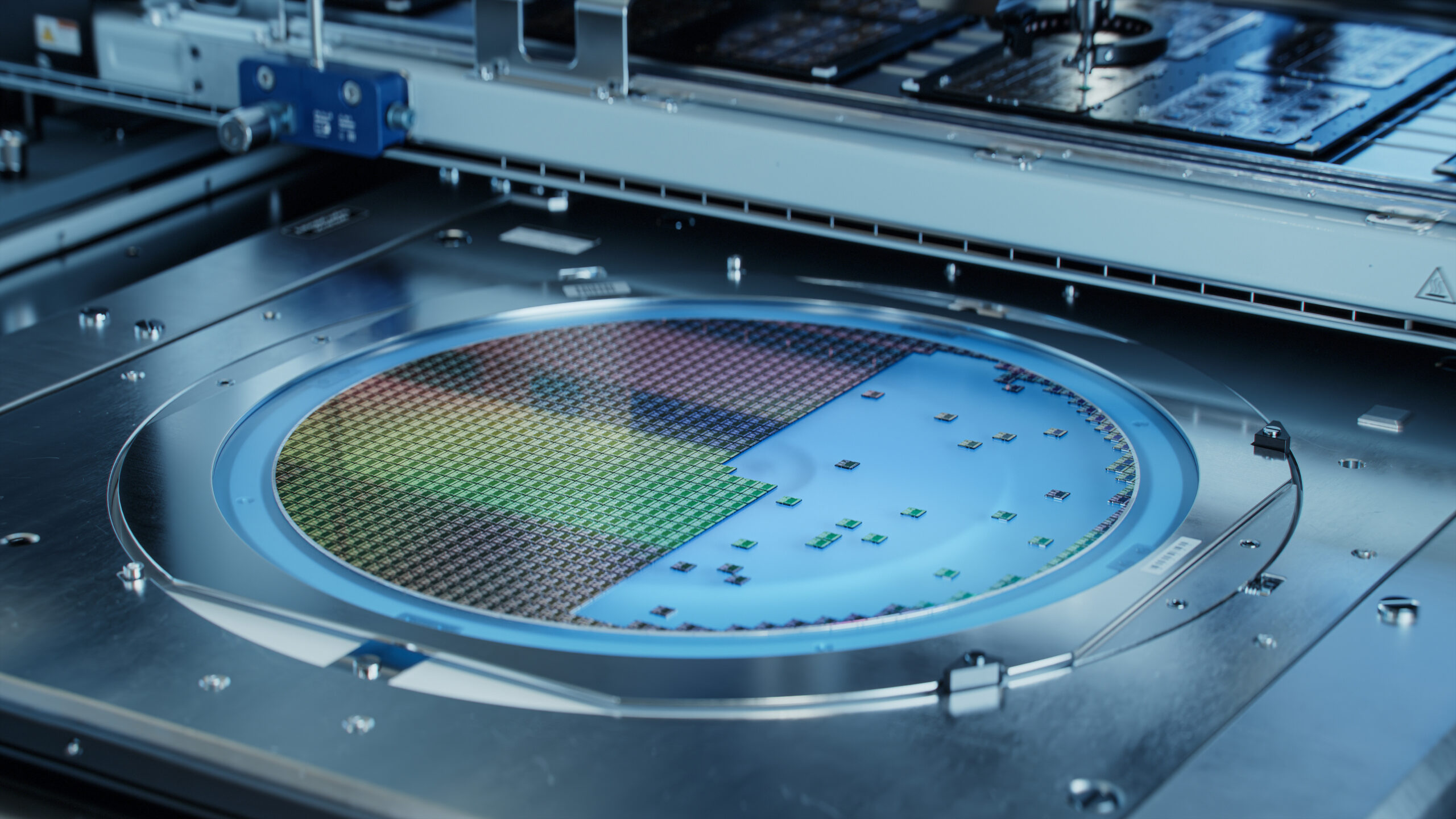
This directive targets the entire AI pipeline. We’re talking about the very foundation: the local chips. China’s been pouring money into its domestic chip industry, and this policy acts as a massive accelerant. It’s not just about manufacturing existing designs; it’s about fostering the R&D that leads to novel architectures. Expect to see more focus on specific AI accelerators tailored for Chinese workloads. Think less general-purpose beast, more specialized workhorse.
Then there are the local LLMs. This is where the software and data come in. China has a massive user base and an immense amount of data generated in Chinese. Building LLMs that are optimized for this unique linguistic and cultural context is a natural progression. It also allows for tighter control over the data used for training and the outputs generated, which, from Beijing’s perspective, is a significant advantage.
The NDRC is pushing for a self-reliant and secure AI industry, aiming to reduce dependence on foreign technologies. This policy signifies a strategic move towards a completely domestic AI supply chain.
This is where it gets interesting. They’re not just slapping a new coat of paint on existing tech. They’re aiming for integration. Imagine a chip designed specifically to run a particular Chinese LLM more efficiently. That’s the kind of synergy they’re after. It’s a top-down approach to building an AI ecosystem that’s both strong and, from their viewpoint, secure.
My Unique Take: The Great Firewall of AI
Here’s the thing that most reports will gloss over: this isn’t just about economic independence or technological advancement. This is about control. By building a completely domestic AI stack, China is also building its own Great Firewall of AI. It means that the AI running within its borders will be shaped by its own rules, its own censorship, and its own definition of what constitutes acceptable information. For those of us outside China, this will likely manifest as increasingly distinct AI experiences depending on where you are and who’s providing the service. It’s not just a tech trend; it’s a geopolitical statement with a silicon heart.
Is This Just Hype? The Real Impact
Some will dismiss this as just another policy pronouncement, another government directive destined to gather dust. But given the sustained effort and the sheer strategic importance of AI, I wouldn’t bet on it. This is a long game. It means significant investment, talent acquisition, and a concerted push to overcome the technical hurdles that have historically plagued domestic chip and AI development in China. The global supply chain is already strained. Adding a major player actively seeking to go it alone will only exacerbate those tensions.
For companies like Nvidia, this is a clear warning. The golden goose might start laying fewer eggs in the Chinese market. For developers, it could mean more platforms to learn, more tools to master, and a more fragmented AI development landscape. And for us consumers? Well, our AI-powered future might just get a little more…national.
🧬 Related Insights
- Read more: Samsung Rushes Pyeongtaek Fab: Is the Memory Supercycle Here?
- Read more: Newegg’s $990 Ryzen 9800X3D Bundle: AMD’s Gaming Beast at Bargain-Basement Blues
Frequently Asked Questions
What does China’s push for a homegrown AI stack actually mean? It means China is prioritizing the development and use of its own chips and AI software (like large language models) to reduce reliance on foreign technology, especially from the US.
Will this affect my current AI tools and services? Potentially. As China’s AI ecosystem grows independently, AI features developed there might become prevalent in products and services used within China, and eventually could influence global offerings.
Is China trying to create its own version of ChatGPT? Yes, they are actively developing their own large language models (LLMs) that function similarly to ChatGPT, but are trained on Chinese data and optimized for Chinese language and culture.