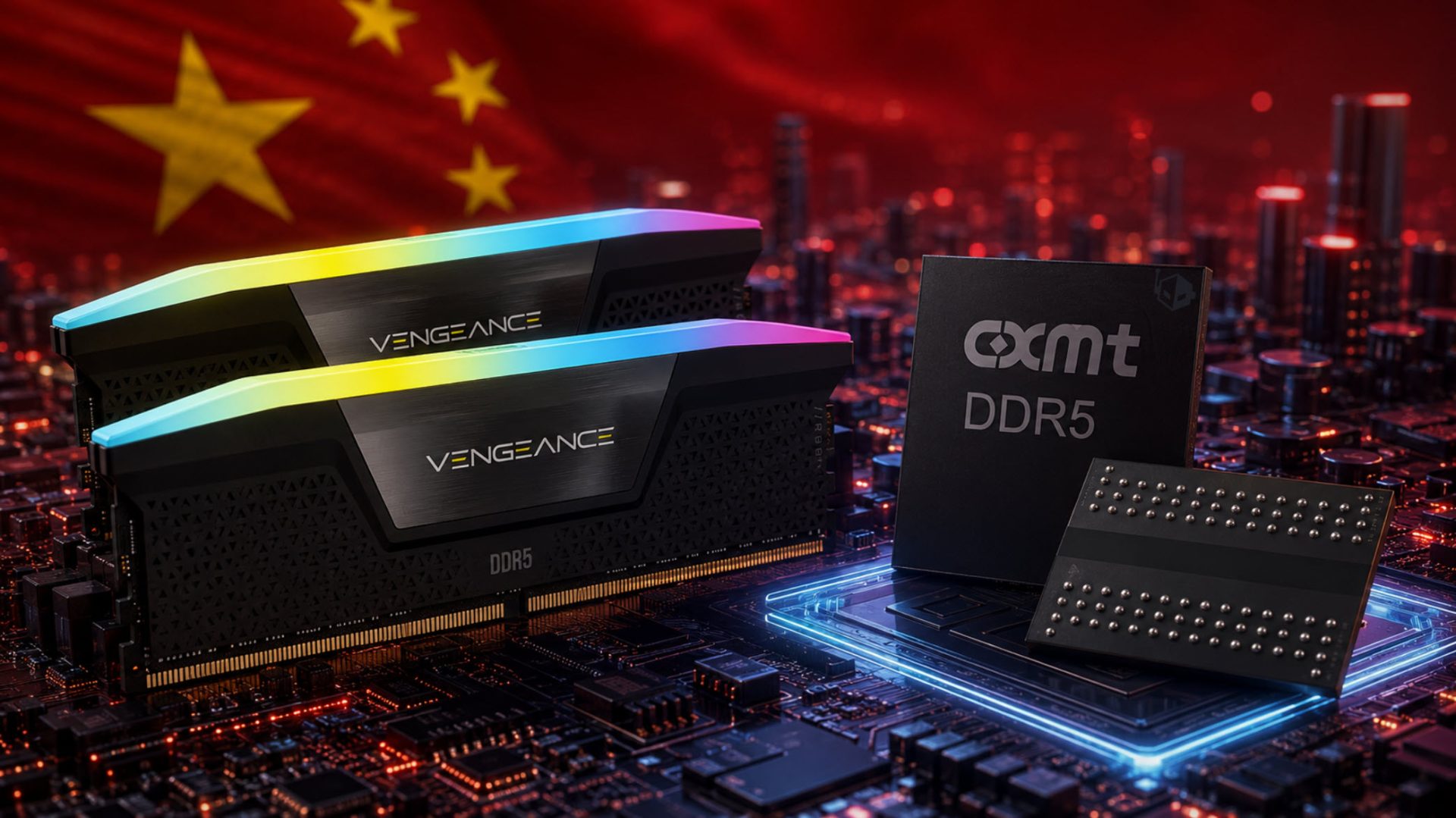
So, DRAM revenue is skyrocketing. Like, really skyrocketing. Counterpoint Research dropped the bomb: Q1 2026 saw the global DRAM market flirting with the $100 billion mark. Prices are up. Demand is up. It’s a perfect storm, apparently, brewed by the insatiable appetite of artificial intelligence. And you thought that chatbot was just a bit of fun.
The AI Avalanche
Look, we all know AI is the new gold rush. Every company worth its salt is throwing money at it, stuffing servers with more GPUs, and in turn, demanding more memory. These AI models aren’t just smart; they’re memory hogs. They need vast pools of DRAM to churn through their colossal datasets. So, naturally, prices get squeezed. When everyone wants the same thing, and there isn’t enough to go around, well, you pay.
This isn’t just a minor uptick; it’s a sprint. The report cites “tight supply conditions” as another contributor. Translation: the folks making DRAM chips can’t keep up. They’re running their fabs at full tilt, but the demand for specialized, high-bandwidth memory needed for AI is outstripping their capacity. It’s a classic supply-and-demand dance, but with AI pulling all the strings.
Is This Just Another Memory Cycle Bubble?
Here’s the kicker: memory markets are notoriously cyclical. We’ve seen booms, and we’ve seen devastating busts. Is this $100 billion figure a sign of a fundamental shift, or are we just getting giddy on AI Kool-Aid before the inevitable hangover? This isn’t 2018 all over again, where every smartphone was supposed to be an AI powerhouse. This feels different. The enterprise-level AI deployments, the massive LLM training – that’s sustained, heavy lifting for DRAM. It’s not just a fad.
Still, caution is warranted. Companies get overexcited. They over-invest. And then, when the next big thing arrives, or the current one hits a plateau, the market gets flooded. The question isn’t if there will be another downturn, but when and how deep. Right now, though? The money is flowing.
“Global DRAM revenue climbed sharply in the first quarter of 2026, approaching the US$100 billion threshold as artificial intelligence demand and tight supply conditions pushed prices higher across the memory market, according to Counterpoint Research.”
This quote, blunt as it is, says it all. AI is the engine, and tight supply is the fuel. Simple economics, really. No fancy jargon needed.
What’s Actually Going On Under the Hood?
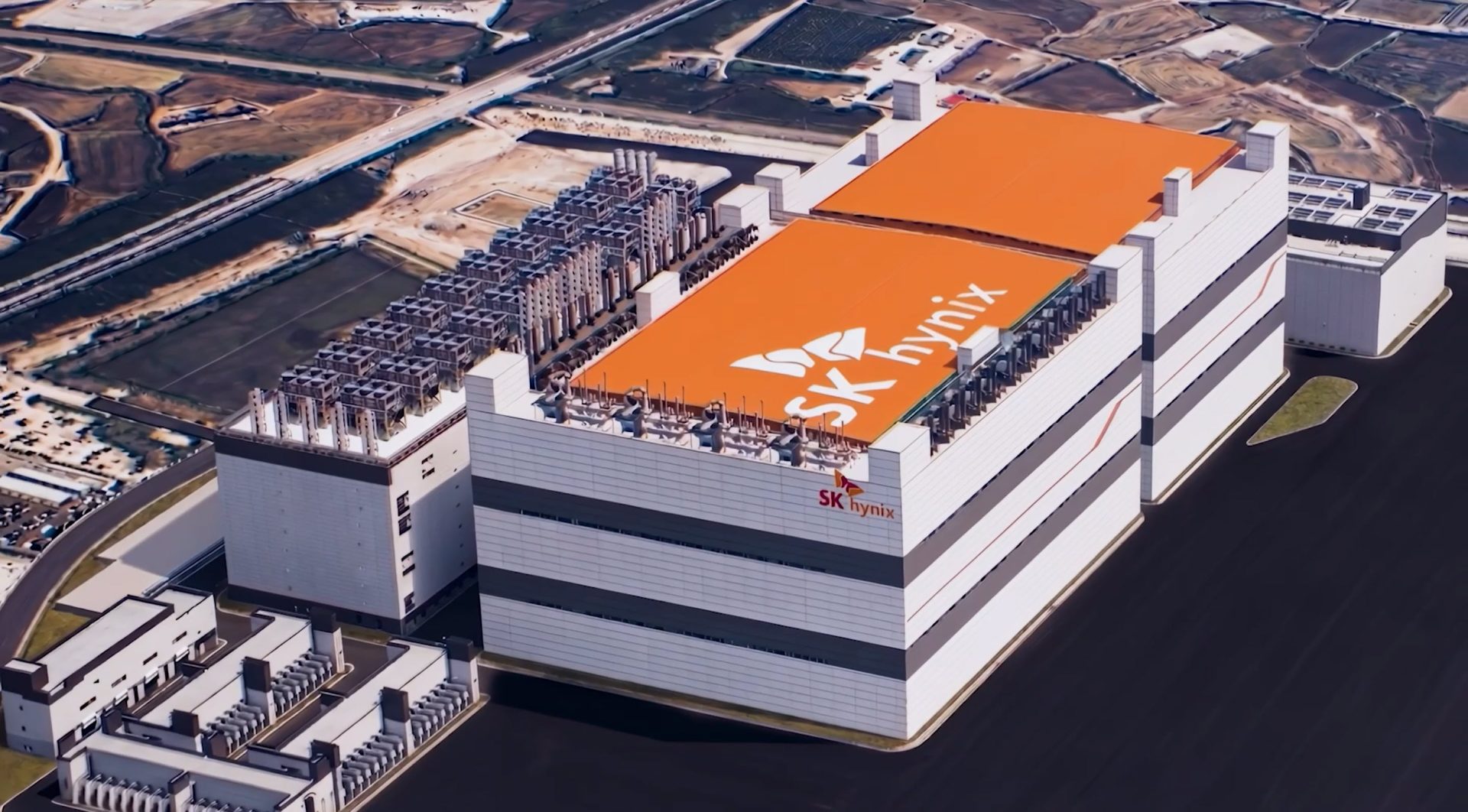
It’s easy to get caught up in the big numbers. But what does this surge actually mean for the companies involved? It means fat profit margins for DRAM manufacturers like Samsung, SK Hynix, and Micron. They’re going to be swimming in cash. Expect increased R&D spending, maybe even some aggressive expansion plans. But it also means the cost of building AI infrastructure is going to keep climbing. For the companies buying this memory – cloud providers, AI startups, you name it – it’s a significant operational expense.
And let’s not forget the knock-on effects. Higher DRAM prices can ripple through the entire tech ecosystem. Everything from servers to advanced consumer electronics might see price adjustments. It’s a fundamental component, after all.
The Unseen Hand: Geopolitics and Capacity
Beyond the AI hype, there’s the ever-present specter of geopolitical tensions and the sheer difficulty of building new semiconductor fabrication plants. These fabs cost billions and take years to bring online. So, even if demand cools slightly, the supply side will remain constrained for a considerable period. This adds another layer of complexity to the market’s trajectory. It’s not just about how many chips you can make; it’s about where you can make them, and the political climate surrounding that.
So, while the $100 billion is impressive, it’s also a symptom of a much larger, more complex economic and technological shift. It’s a marker, yes, but the story is still being written, and the plot twists are likely to be frequent and dramatic. For now, enjoy the ride – if you’re a DRAM maker, at least.
🧬 Related Insights
- Read more: NVIDIA’s Synthetic Medical Images: Hype or Hope?
- Read more: NousCoder-14B: Open-Source Beast Trained in Four Days Challenges Claude Code’s Reign
Frequently Asked Questions
What does DRAM revenue mean? DRAM revenue refers to the total amount of money generated from the sales of Dynamic Random-Access Memory, a type of volatile semiconductor memory used for storing data that computer processors are actively using.
Is this high DRAM revenue sustainable? While AI demand is strong and supply is tight, historical patterns suggest the memory market is cyclical. Sustainability depends on continued AI growth, manufacturing capacity expansion, and broader economic conditions.
How does AI drive DRAM demand? AI models, particularly large language models and complex deep learning algorithms, require vast amounts of high-speed memory to store and process the massive datasets they operate on. This significantly increases the need for DRAM in servers and specialized AI hardware.