Here’s the thing: the headlines always shout about the GPUs, the ASICs, the cutting-edge silicon. But if you’re looking at Taiwan’s recent April earnings reports across its electronics hardware supply chain, you’re seeing a much broader, deeper story. This isn’t just about who’s designing the next monster AI chip; it’s about the sheer, unadulterated demand AI infrastructure is creating, a demand that’s fundamentally reshaping how everything from the most basic materials to the most complex server systems are manufactured and deployed.
It’s easy to get lost in the dazzling complexity of advanced packaging and wafer fabrication. We obsess over nanometer nodes and TSMC’s latest process technology. But what’s happening in Taiwan is a systemic reordering. Think of it like this: a massive, new highway is being built, and everyone’s focused on the supercars speeding down it, ignoring the quarry digging out the aggregate, the concrete batching plants, the truck drivers hauling the asphalt. Taiwan’s hardware sector, particularly its server systems and the underlying advanced materials required for them, are those unseen, yet utterly indispensable, components of the AI highway.
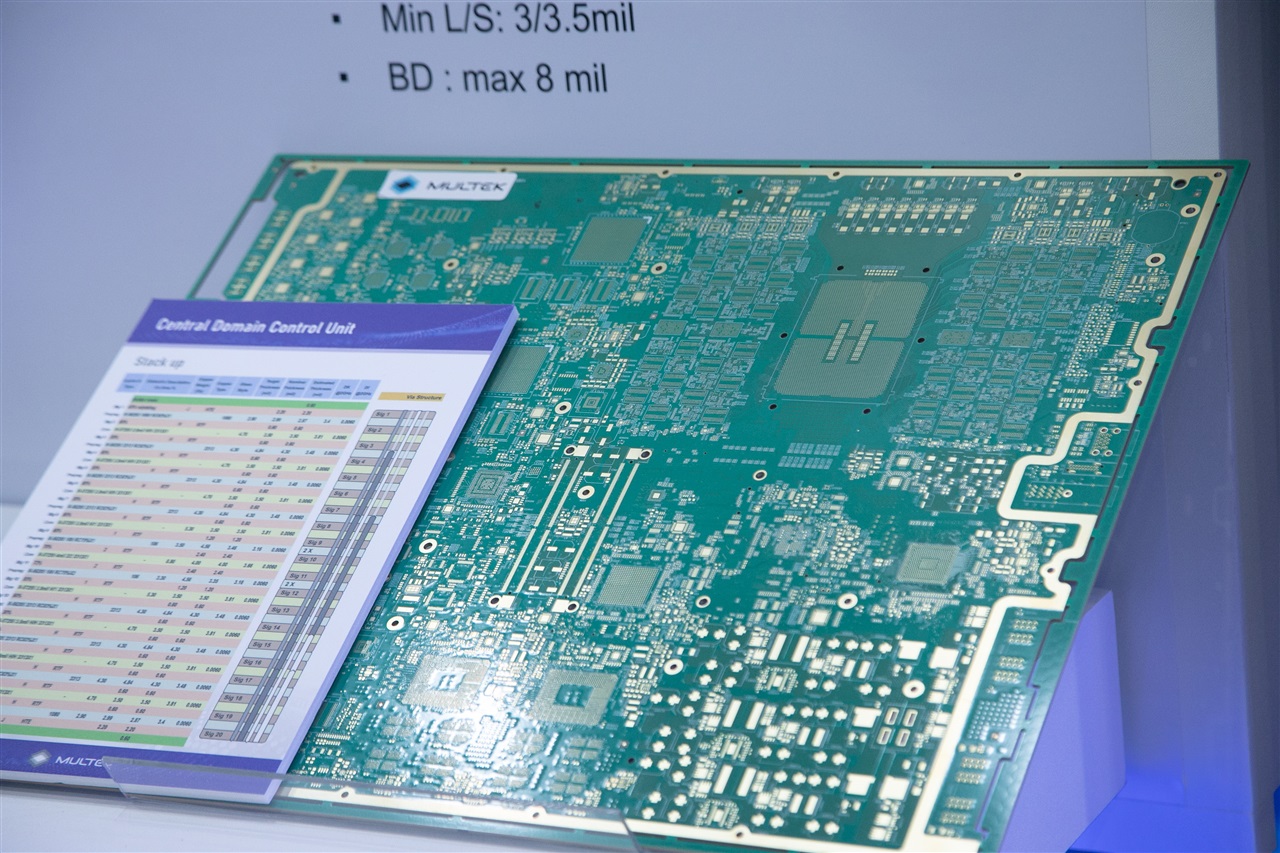
AI’s ravenous appetite for computation demands not just more processing power, but entirely new paradigms for delivering that power. This translates directly into demand for specialized server architectures, high-speed interconnects, and the very substrates upon which these components are built. April’s data suggests this isn’t a fleeting trend; it’s an architectural shift. Demand patterns are visibly bending, pulling resources and investment towards these foundational elements.
Why Does This Matter for Real People?
For the end-user, it means the AI services you interact with daily—whether it’s a smarter chatbot, a more personalized recommendation engine, or advanced scientific simulations—are being built on a vastly expanded and increasingly specialized hardware foundation. The sheer scale of AI computation requires massive data centers, which in turn require incredibly strong and efficient server systems. This isn’t just about bigger servers; it’s about servers designed from the ground up to handle the unique data flows and processing demands of AI workloads. And that cascade of demand starts upstream.
What’s being underscored is Taiwan’s enduring, and arguably growing, importance not just as a foundry for cutting-edge silicon, but as a linchpin in the entire AI ecosystem. Their manufacturing prowess, their ability to scale, and their deep integration across the supply chain — from raw materials for PCBs to the assembly of multi-node server racks — are all being tested and, by all accounts, are rising to meet the challenge. It’s a proof to decades of strategic investment and a willingness to adapt.
The AI revolution is not just about brighter algorithms, but about the material and electrical foundations that enable their boundless potential.
This isn’t just about building more servers; it’s about building smarter servers, components that can withstand higher thermal loads, dissipate heat more effectively, and facilitate faster data movement than ever before. The implications for everything from energy consumption in data centers to the physical form factor of future computing infrastructure are profound. Taiwan’s established strength in materials science and advanced manufacturing positions it perfectly to capitalize on this. Their April results are a clear signal that the market recognizes this.
What’s particularly striking is how the demand is bleeding into areas that might not immediately scream ‘AI’. Advanced materials, often thought of in the context of consumer electronics or aerospace, are finding new life and unprecedented demand in the thermal management, structural integrity, and even the electrical insulation requirements of AI server infrastructure. This diversification of demand, driven by AI, is a powerful economic engine.
The Unseen Foundation
We tend to think of AI as software, as algorithms, as intelligence. But beneath the code, beneath the cloud, lies a colossal physical infrastructure. Taiwan’s electronics hardware sector is demonstrating, with undeniable clarity through its April performance, that it is the bedrock upon which this new era of computing is being built. The implications extend far beyond chip yields; they touch on global supply chain resilience, energy efficiency, and the very physical limits of computation. It’s a complex, interconnected system, and Taiwan’s role is, and will remain, absolutely central.
This isn’t a cyclical uptick. This is a fundamental restructuring of demand, driven by the insatiable requirements of artificial intelligence. The old rules of electronics manufacturing are being rewritten in real-time, and Taiwan’s April numbers are the opening chapter.