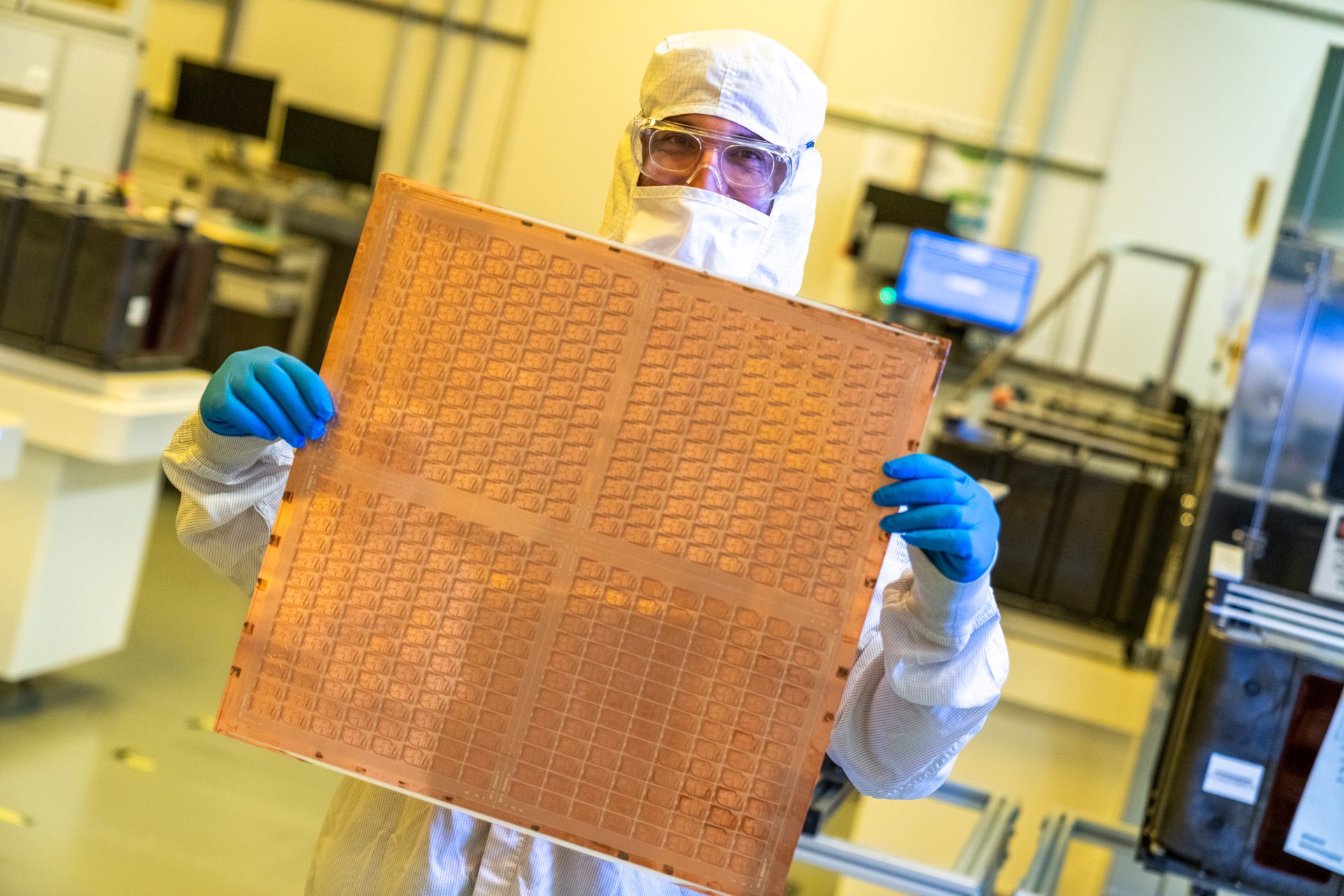
Intel’s balance sheet just got a radical haircut. In a move that’s equal parts desperation and chess mastery, the chip giant swapped $10 billion in convertible notes for straight equity, handing early investors like Peter Thiel’s Founders Fund a bigger slice of the pie. But here’s the kicker: it’s all aimed at fueling Intel Foundry Services, their bet-the-company push into manufacturing independence.
Zoom out. This isn’t just accounting sleight-of-hand. It’s Intel clawing back control in a world where TSMC owns the fabrication game — and the US government is increasingly dictating the board.
And then there’s Nvidia. The AI overlord isn’t content with crushing rivals on performance; now it’s co-opting them. By folding AMD and Broadcom into its CUDA ecosystem via software bridges and partnerships, Nvidia’s turning potential threats into vassals. Coordinated shifts, indeed — as DIGITIMES’ Luke Lin nails it.
“The semiconductor industry is undergoing coordinated shifts that could reshape equipment flows, corporate financing, and supplier relationships in the AI era.”
Lin’s got the pulse. But let’s deep-dive the how and why.
Why Is the US MATCH Act Dropping Now?
Picture this: Biden’s team, staring down China’s chip ascent, unleashes the MATCH Act — formally the Meeting Allied Technology Threats and Capabilities Harmonization Act. It mandates export licenses for semiconductor manufacturing equipment heading to ‘foreign persons of concern’ — read: anyone tied to Chinese entities.
No more slipstreaming gear to Huawei fabs. Tools from Applied Materials, Lam Research? Suddenly under a tighter noose. It’s the CHIPS Act’s evil twin, shifting from subsidies to strangulation.
But — and this is my unique angle — it’s straight out of the Cold War playbook. Remember COCOM? That 1949 export control regime that choked Soviet tech access for decades? MATCH is COCOM 2.0, architected for the AI arms race. Except this time, the stakes are data centers, not nukes. Bold prediction: by 2026, it’ll fracture global supply chains into US-led and China-led blocs, with neutrals like Taiwan caught in the crossfire.
Short paragraph for emphasis. Equipment flows? Disrupted.
Intel’s debt-to-equity swap fits this like a glove. They’re not just refinancing; they’re arming Intel Foundry to onshore more production. Why? Because MATCH makes overseas expansion dicey, and Intel’s $20B+ Ohio megafab needs cash — fast. It’s skepticism fuel: is this genuine pivot or PR spin on a company that’s bled market share?
Look, Intel’s been promising foundry glory since Pat Gelsinger took the helm. Results? Mixed. CHIPS Act grants help, but swapping debt signals they’re still capital-starved. Critics call it dilution; fans see strategic fortification.
Nvidia’s play? Pure genius — or monopoly in disguise. “Co-opting rivals” means opening CUDA alternatives, letting AMD’s ROCm and Intel’s oneAPI play nicer via Nvidia’s NVLink and software stacks. It’s ecosystem lock-in, Weimar-style: control the standards, own the future.
Here’s the thing. In AI’s gold rush, compute isn’t enough; it’s the software moat. Nvidia’s handing rivals a rope — but it’s tied to their pier.
How Does MATCH Act Reshape Supplier Ties?
Suppliers tremble. ASML’s EUV machines, already license-restricted, now face MATCH’s harmonized allied scrutiny. Japan, Netherlands, South Korea? They’re syncing up, creating a techno-iron curtain.
One dense block: Imagine Kioxia’s NAND lines or Samsung’s HBM output — all reliant on US tech. MATCH forces choices: serve China at risk of US blacklist, or pivot West and lose Beijing’s market. It’s not hype; it’s architecture shift, forcing suppliers into camps. DIGITIMES flags this as the real reshape — equipment flows rerouted, financing funneled to compliant players, relationships realigned around geopolitics over profit.
And Intel? Their swap gives them runway without more dilution from public markets. Nvidia? Thrives in scarcity — higher demand for their GPUs when rivals can’t fab freely.
But call out the spin. Corporate PR paints Intel’s move as ‘bold independence’; it’s debt dodge. Nvidia’s ‘collaboration’? It’s hegemony. Lin’s analysis cuts through, but the industry’s cheerleading its own handcuffs.
Wander a bit: Remember 2018’s ZTE ban? That was a slap; MATCH is systemic. US firms win short-term — Nvidia’s stock soars on export wins — but long-term? Innovation silos, higher costs, slower global R&D.
Will MATCH Kill China’s Chip Dreams?
Not outright. SMIC’s 5nm progress shows resilience. But it slows them — no bleeding-edge tools means playing catch-up eternally.
Prediction: Expect black-market workarounds, like Russia’s oil swaps. Still, architecture changes: US consolidates AI lead, but at efficiency’s cost.
Single sentence punch. Supply chains fracture.
Wrapping the threads — Intel fortifies, Nvidia dominates, MATCH enforces. AI era’s underbelly: power via restriction.
**
🧬 Related Insights
- Read more: Huawei’s Ascend Chips Ramp Wildly — HBM Emerges as the Real Chokepoint
- Read more: Decentralized Training: AI’s Energy Fix or Fancy Distraction?
Frequently Asked Questions**
What is the US MATCH Act?
It’s a 2024 law requiring export licenses for chipmaking equipment to China-linked entities, aligning US allies to curb Beijing’s semiconductor rise.
Why did Intel swap debt for equity?
To raise $10B for Intel Foundry without more stock dilution, betting on US-made manufacturing amid export curbs.
How is Nvidia co-opting rivals?
By integrating AMD and Broadcom tech into its CUDA world via partnerships, turning competitors into dependent allies.