We’re talking about a fundamental platform shift here. Think back to the early days of the internet – slow, clunky connections. Now, imagine that for the massive, sprawling brains we’re building to power AI. That’s the problem SmartSens and Unisoc are tackling head-on, and they’re doing it with light.
It’s happening right now, at the heart of the computational universe: the AI cluster. These aren’t just big servers; they’re vast, interconnected cities of processors, humming with the electricity of artificial intelligence. The bottleneck, though? The wires. The humble copper cables that have served us for so long are starting to choke on the sheer volume of data these AI behemoths need to swap. It’s like trying to pour the ocean through a garden hose.
And that’s where this news out of China, from SmartSens and Unisoc, bursts onto the scene. They’re forging a partnership to build Micro LED optical interconnects. If that sounds like a mouthful, picture this: instead of electrons zipping through metal wires, tiny, incredibly fast pulses of light will carry the data. It’s the digital equivalent of upgrading from a sputtering steam train to a hyperloop. High-speed, low-power, and high-bandwidth – exactly what the AI revolution is thirsty for.
Why This Partnership Matters More Than You Think
This isn’t just another chip announcement. This is about building the nervous system of future AI. SmartSens, a player in image sensors, and Unisoc, a fabless semiconductor company, are combining forces. It’s not just about making better chips; it’s about creating an entirely new way for those chips to communicate. Imagine a symphony orchestra where every musician can hear every other musician perfectly, instantly. That’s the goal for AI clusters.
Their aim is domestic, low-power, high-bandwidth solutions. That’s a big deal. For years, the bleeding edge of high-speed interconnects has been dominated by a few global players. This move suggests a drive for self-sufficiency, building out a foundational technology within China’s borders. It’s about controlling the pipes, not just the water flowing through them.
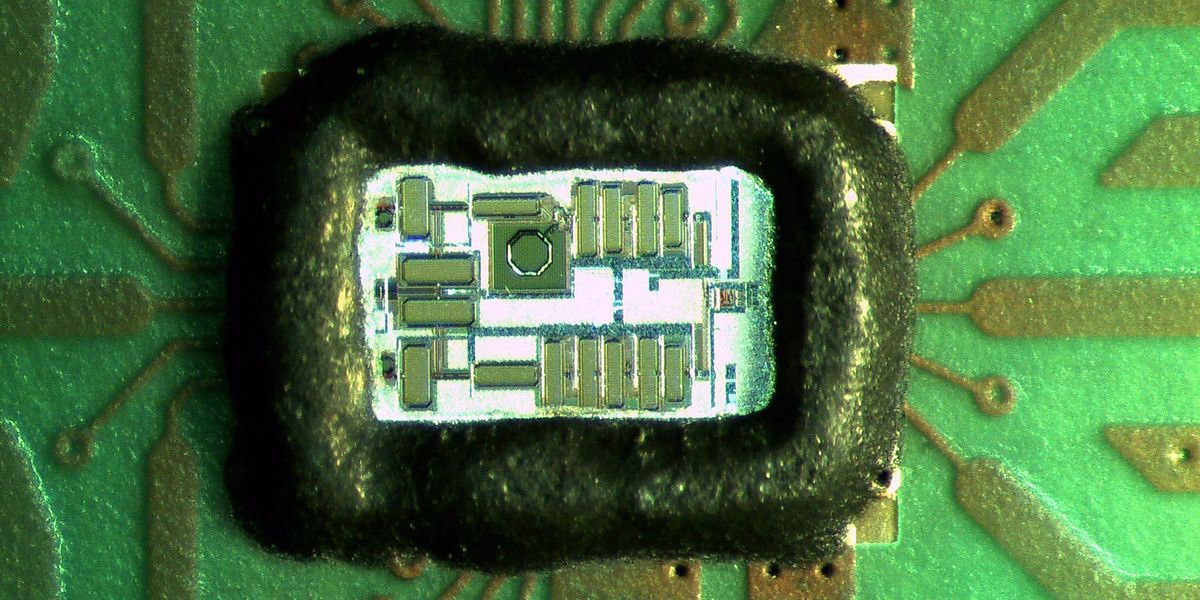
And the tech itself? Micro LEDs. These aren’t your TV’s LEDs. We’re talking about microscopic light-emitting diodes, incredibly efficient and capable of switching on and off at mind-boggling speeds. Coupled with optical fibers, this creates a pathway for data that’s orders of magnitude faster and more energy-efficient than traditional copper. Think less heat, more speed, and the ability to cram even more processing power into a smaller space.
The AI Data Deluge Needs a New Riverbed
The sheer volume of data being generated and processed by AI models is staggering. Every image, every text generation, every predictive algorithm, all require immense communication between processing units. Current interconnects are hitting their limits, leading to what engineers call latency – tiny delays that add up in massive computations. Micro LED optical interconnects promise to obliterate those delays.
The collaboration could accelerate the development and deployment of next-generation AI computing infrastructure, addressing the growing demand for faster and more efficient data transfer.
This is the kind of forward-looking statement that makes my circuits hum. It’s not just an incremental upgrade; it’s about laying the groundwork for the next leap in AI. If we can’t move data around fast enough, our AI models will hit a wall, no matter how brilliant their core architecture is. This partnership is about building a bigger, faster riverbed for the data flood.
Is This a Real Threat to the Incumbents?
Absolutely. While the big names in optical interconnects are undoubtedly watching, this partnership signals a determined push from SmartSens and Unisoc. The emphasis on “domestic” solutions isn’t just about national pride; it’s about strategic control of critical future infrastructure. For companies heavily reliant on established copper solutions, this is a wake-up call.
The beauty of this approach is its scalability and potential for integration. Imagine these Micro LED optical links becoming a standard component, as ubiquitous as RAM is today, but for inter-processor communication. The energy savings alone could be colossal, reducing the massive power consumption of AI data centers.
It’s still early days, of course. Bringing new technologies like this to market, especially for something as demanding as AI clusters, takes time. There will be engineering hurdles, integration challenges, and the usual corporate dance of partnerships and supply chains. But the direction is clear, and the potential is immense.
This is more than just chips talking to chips; it’s the dawn of a new era in how we build and scale artificial intelligence. The future isn’t just fast; it’s illuminated.
🧬 Related Insights
- Read more: Meta’s Billions Brawl: Ofcom Fine Formula Under Fire
- Read more: Silicon’s 3D Future Unlocked?
Frequently Asked Questions
What are optical interconnects? Optical interconnects use light, typically transmitted through fiber optic cables, to send data instead of electrical signals through copper wires, offering much higher speeds and lower energy consumption.
Will this partnership lead to faster AI development? Potentially, yes. By providing more efficient and faster ways for AI processors to communicate, these new interconnects can help remove bottlenecks, allowing AI models to be trained and run more quickly.
Are Micro LEDs good for this purpose? Micro LEDs are extremely small and efficient light-emitting diodes that can switch on and off very rapidly, making them ideal for high-speed data transmission through light pulses.