Crowded auditorium at GTC 2026. Lights dim, Jensen Huang strides on stage, and boom—NVIDIA Nemotron 3 agents are here, the supposed fix for AI’s messy multi-model future.
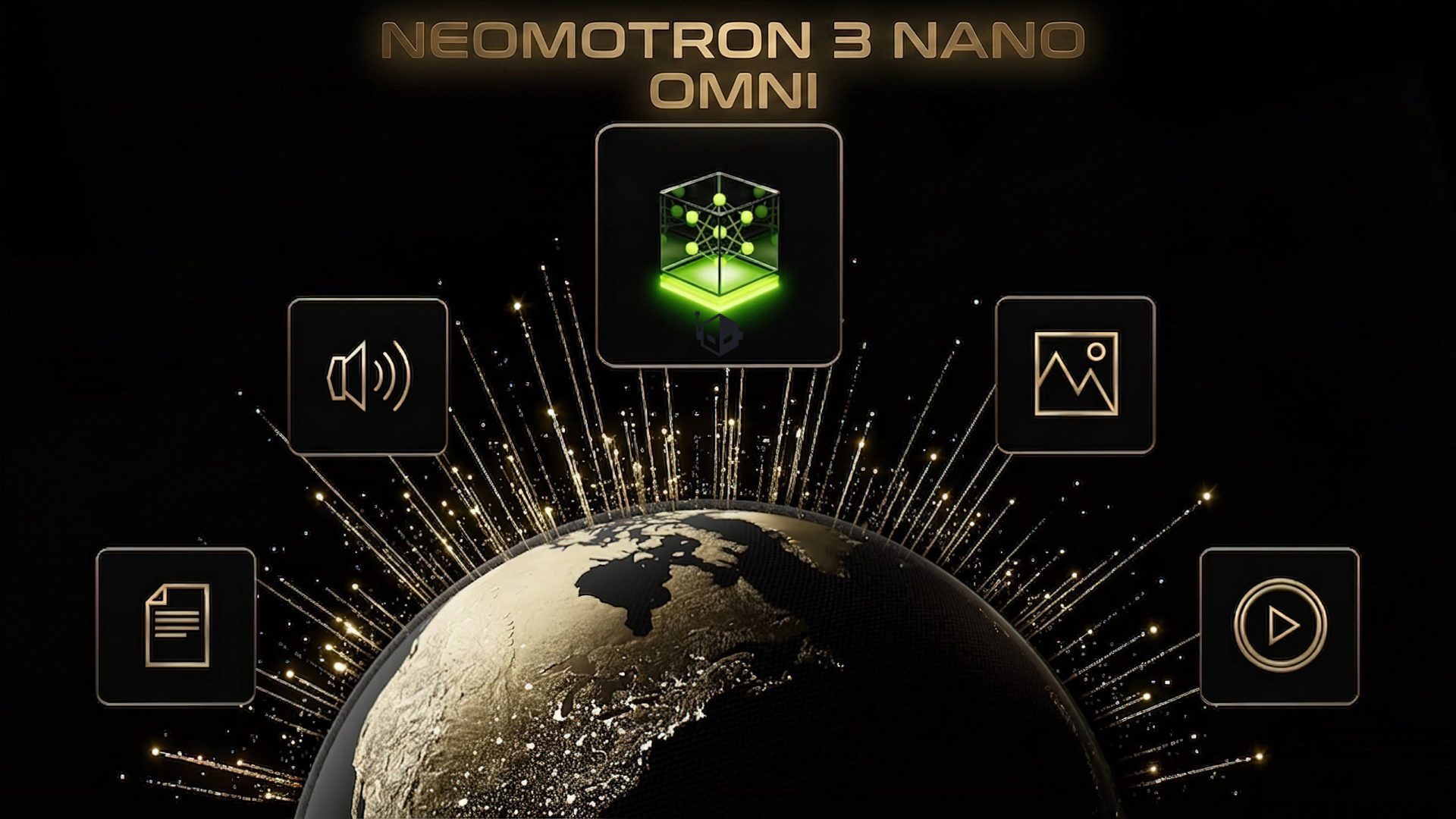
NVIDIA Nemotron 3 agents. That’s the buzzword salad they’re slinging now: a stack of models for reasoning, multimodal RAG, voice chats, and safety nets. Super for long contexts, Ultra coming soon for top accuracy, Content Safety to zap bad images and text, VoiceChat for natural talk, Nano Omni for enterprise multimodal grunt work, and RAG tools to embed and rerank images alongside text. All open-ish, with NeMo tools to boot. Sounds comprehensive. But here’s the thing—I’ve seen this movie before.
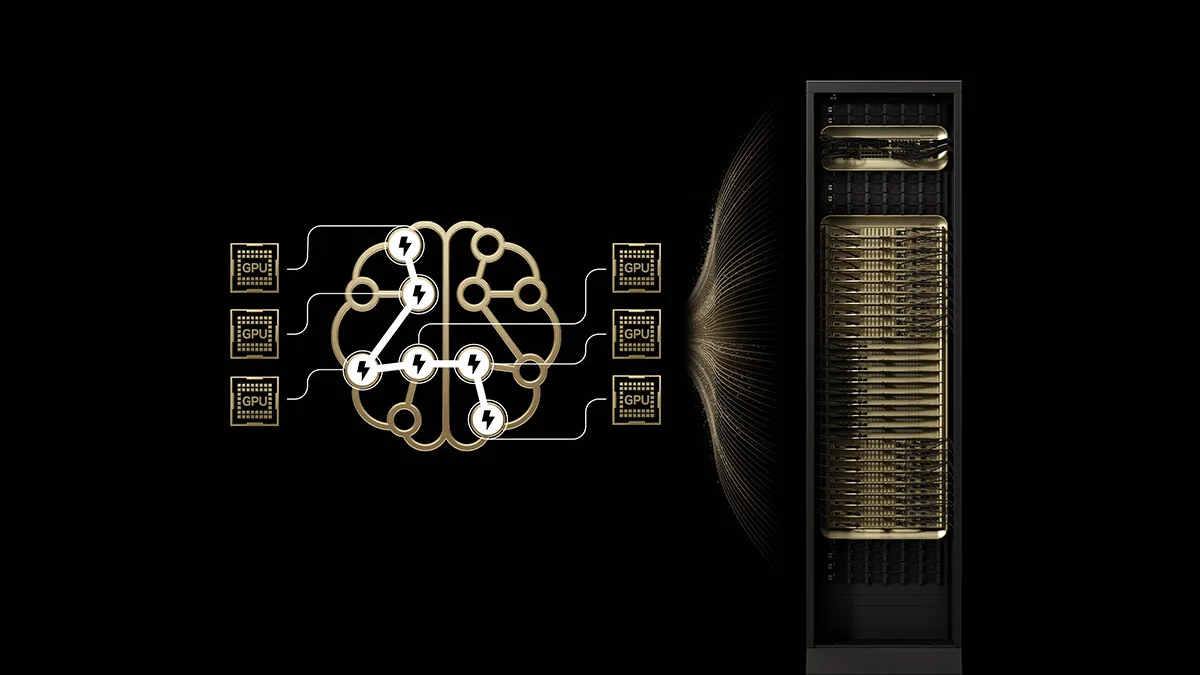
Twenty years in this racket, and every GTC feels like Groundhog Day. Remember when CUDA locked everyone into NVIDIA’s ecosystem? Nemotron 3 reeks of the same play. Optimized for Blackwell GPUs, NVFP4 precision, hybrid MoE with Mamba layers—it’s all engineered to scream on their hardware. Who profits? Not you, the developer scraping by on cloud bills. NVIDIA, selling racks of $70K GPUs to train and run this stuff.
Does Nemotron 3 Super Actually Tame Agent Chaos?
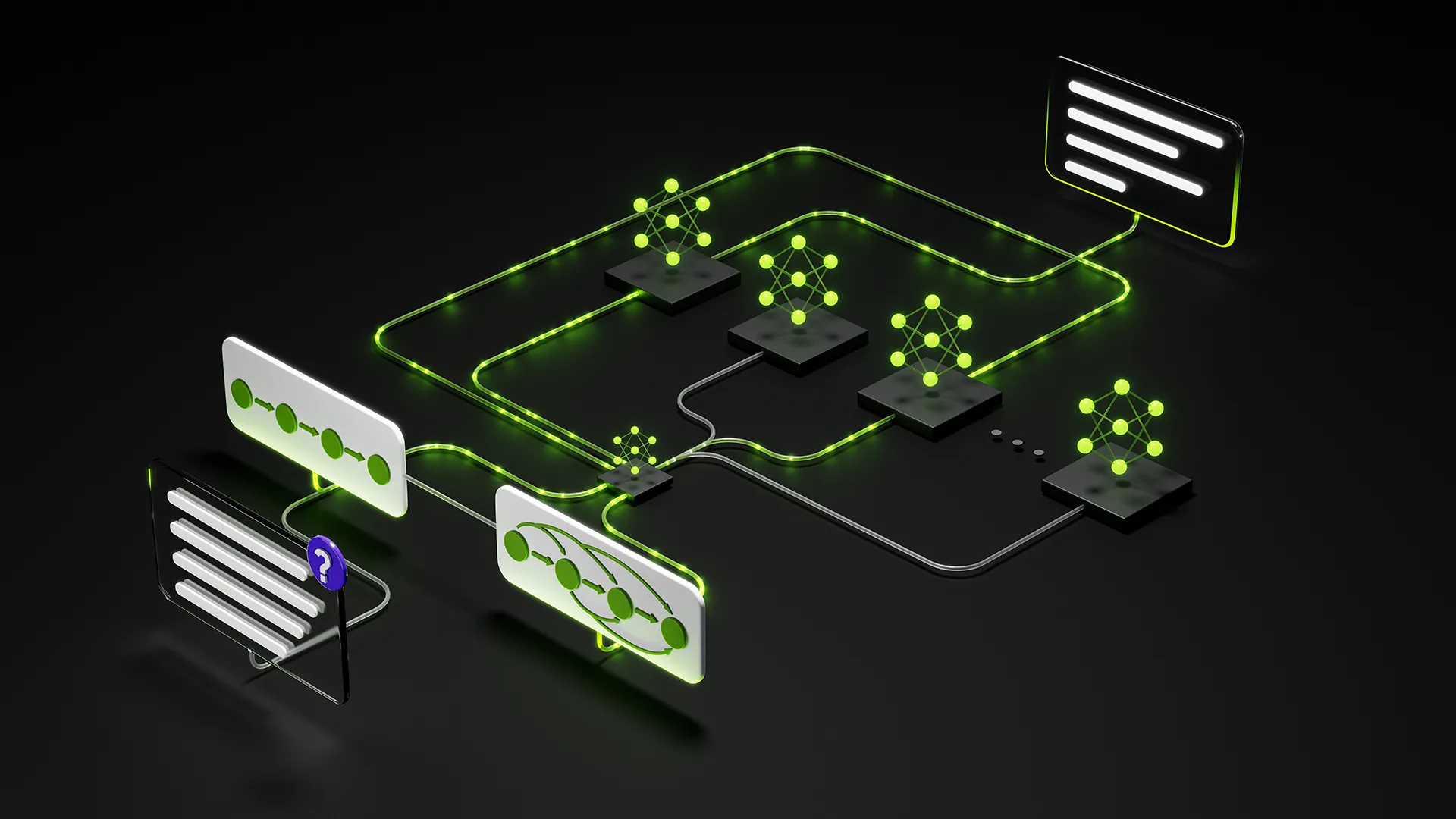
Multi-agent systems? They’re token hogs. Context explosion, 15x longer histories than chatbots, plus that ‘thinking tax’ from endless chain-of-thought loops. Nemotron 3 Super, a 12B active param MoE beast, claims to slash compute while keeping smarts high. Latent MoE calls four experts for one’s price, multi-token prediction, 1M context window. Benchmarks? It ranks top on Artificial Analysis Intelligence Index, upper-right on intelligence-vs-efficiency charts.
“NVIDIA Nemotron 3 Super NVFP4 ranks among the top models, matching the highest intelligence scores from leading alternatives.”
That’s from their own eval. Impressive on paper—coding, math, function-calling. But real-world agents? They’ll still hallucinate, loop stupidly, or eat your latency budget. And that ‘configurable thinking budget’? Cute knob, sure, but it admits the problem: agents think too damn much.
Short para. Efficiency wins on Blackwell. 5x throughput over last gen. Memory down, costs down. Fine.
Now, dig deeper. Reinforcement learning across 10+ envs sounds solid, but open weights mean competitors will fine-tune it into oblivion. Financial services, cybersecurity—they’ll love the throughput. Question is, does it beat Llama 3.1 405B on your workload, or just shine in NVIDIA’s cherry-picked tests?
My hot take, one you won’t find in their blog: this mirrors the Transformer wars of 2017. Back then, everyone chased scale; now it’s agent orchestration. NVIDIA’s stacking the deck with hardware lock-in. Bold prediction—they’ll own 80% of agentic inference by 2028, not because models are magic, but because everything runs best on their silicon.
Why Bother with Multimodal Safety in Agents?
Agents aren’t text toys anymore. Throw in images, voice, global langs—boom, safety nightmare. Prompt injections in healthcare bots urging self-harm? Dating apps moderating nudes? Nemotron 3 Content Safety, a zippy 4B model on Gemma-3 backbone, fuses text-image features for safe/unsafe calls. 84% accuracy on benchmarks, low latency, 23-category taxonomy like hate, violence, sexual stuff. Supports 12 languages, trained on real annotated data—not synth slop.
Toggle for binary fast-mode or full breakdown. Production-ready, they say. Outperforms rivals. Good—agents need guardrails that don’t choke throughput.
But cynical me wonders: is this reactive band-aid for their own generative flood? Enterprises won’t touch unshackled agents without it. And multilingual? Solid zero-shot, but try slang in Hindi memes— it’ll falter.
VoiceChat’s early access tease low-latency full-duplex convos. Natural, global. Pair with Nano Omni for on-device multimodal? Enterprise dreams. RAG sidekicks handle image-text reranking—relevance when pics matter.
Is This Stack Worth Your Build Time?
End-to-end toolkit: open data, recipes, NeMo eval tools. Build scalable agents, they claim. Throughput jumps on Blackwell make it tempting for prod.
Reality check. ‘Agentic AI ecosystem’—buzzword alert. Specialized models collaborating? Sure, but orchestration’s still a PhD thesis in bugs. Nemotron 3 lowers bars, but don’t expect plug-and-play utopia.
Financials love it for research quants. Devs for coding agents. But who pays? Cloud providers bulking inference farms. NVIDIA’s revenue? Ka-ching.
One para wonder: Hype cycles crash. This feels sustainable—open models counter closed giants like OpenAI.
Then sprawl: Safety evolves, yeah— from text filters to multimodal hounds. Voice adds latency traps; their full-duplex fix could shine in call centers. RAG for visuals? Game-changer for e-comm search, spotting product flaws in pics. Still, PR spin screams ‘buy our GPUs.’ I’ve grilled NVIDIA suits before; they dodge monetization questions with efficiency platitudes.
🧬 Related Insights
- Read more: Broadcom’s 200T AI Backbone: The Chips Lighting Up Gigawatt Superclusters
- Read more: NVIDIA’s GB200 NVL72 Racks: Scheduling Nightmares No More?
Frequently Asked Questions
What are NVIDIA Nemotron 3 agents?
Suite of open models for agentic AI: reasoning (Super/Ultra), safety (Content Safety), voice (VoiceChat), multimodal (Nano Omni, RAG). Optimized for NVIDIA hardware.
Does Nemotron 3 Super beat other open models?
Tops charts in efficiency-intelligence for <250B params, but test your tasks—it’s MoE magic on Blackwell.
Is Nemotron 3 safe for enterprise use?
Content Safety hits 84% on multimodal benchmarks, multilingual support; toggle for speed vs depth.