AI safety order blocked.
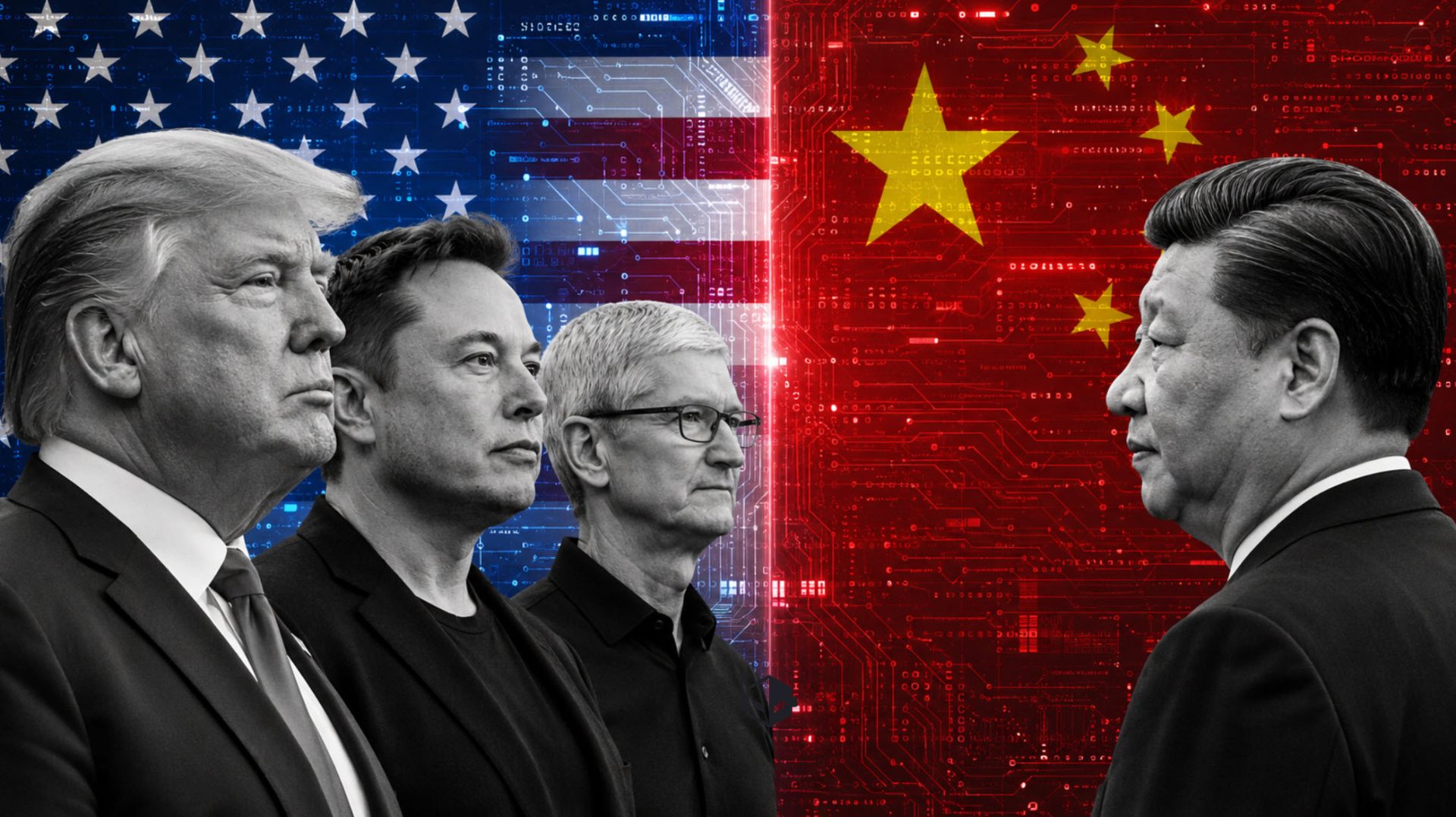
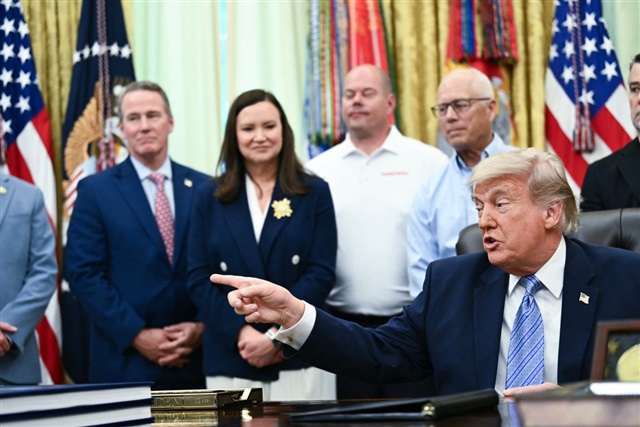
President Trump pulled the plug on a sweeping executive order designed to create a federal safety vetting framework for advanced AI models. The eleventh-hour cancellation, just before a scheduled White House signing ceremony, has sent ripples through the tech policy world, highlighting the administration’s tightrope walk between fostering innovation and addressing potential risks of artificial intelligence.
The abrupt halt, attributed to concerns that the proposed order could inhibit growth, signals a significant pause in federal efforts to formalize AI safety protocols. This move comes at a time when the development of powerful AI systems is accelerating at an unprecedented pace, prompting both excitement and apprehension across various sectors.
Growth Over Governance?
Sources close to the decision indicated that the primary driver behind the cancellation was the fear that stringent safety regulations, particularly those involving extensive vetting processes, would inevitably slow down the pace of AI development. In a competitive global landscape where the United States is vying for leadership in AI, the administration evidently prioritized maintaining a rapid innovation cycle over implementing immediate, potentially growth-stifling, oversight.
This dynamic isn’t new. Historically, disruptive technologies have often outpaced regulatory frameworks. The dot-com boom saw a similar debate: should nascent internet companies be burdened by existing legislation, or allowed to flourish with minimal government intervention? The Trump administration’s decision echoes this past tension, suggesting a strong preference for a market-driven approach, at least for now.
“Our focus is on ensuring American companies remain at the forefront of AI innovation. We cannot afford to let bureaucratic hurdles impede progress.”
The statement, or sentiments like it, underscore a key strategic calculation: the perceived economic and geopolitical advantages of unchecked AI advancement outweigh the immediate need for comprehensive federal safety standards. It’s a gamble, certainly. One that bets heavily on the industry’s capacity for self-regulation and the long-term benefits of a less-regulated AI ecosystem.
What This Means for AI Development
The implications for AI developers and companies are significant. Without a clear federal mandate, the landscape for AI safety remains fragmented. Companies will likely continue to operate under a patchwork of industry best practices and voluntary guidelines, a scenario that, while offering flexibility, also creates an environment ripe for potential missteps or even serious incidents. The absence of a unified federal approach could lead to a less predictable environment for investment and research, as companies grapple with an undefined future regulatory climate.
This decision, or lack thereof, implicitly pushes the responsibility for AI safety squarely onto the shoulders of the private sector. It suggests an administration that is more inclined to let market forces, rather than government mandates, dictate the trajectory of AI development. For those in the AI trenches, this might mean fewer immediate compliance headaches, but it also signifies a greater onus to proactively address ethical considerations and potential harms, from bias in algorithms to the misuse of powerful AI tools.
The move also raises questions about how the US will participate in international discussions on AI governance. While other nations are actively exploring regulatory frameworks, the US stance — at least at this moment — appears to be one of cautious observation, prioritizing domestic innovation. This could lead to a divergence in global AI policy, complicating international cooperation on safety and ethics.
The Unseen Costs of Speed
While the administration’s rationale centers on fostering growth, it’s worth scrutinizing the potential long-term costs of this hands-off approach. The history of technological advancement is replete with examples where a lack of foresight or regulation led to unforeseen societal consequences. From the environmental impact of industrialization to the pervasive data privacy issues of the digital age, speed without a corresponding emphasis on safety and societal well-being can, and often does, come with a hefty price tag. The AI sector, with its potential to reshape economies, labor markets, and even human interaction, is particularly susceptible to these kinds of delayed-onset problems. The decision to prioritize immediate growth over structured safety vetting could, ironically, lead to more significant disruptions and costly interventions down the line, once problems become entrenched and harder to fix.
The market dynamics are clear: innovation is a powerful engine, but unchecked, it can become a runaway train. The Trump administration has chosen to let that train pick up speed, hoping it doesn’t derail.