You’re knee-deep in a Jetson prototype, wires everywhere, and bam — Gemma 4 just decoded a grainy video feed, spat out Python code to fix your robot’s glitch, all without phoning home to some data center. No lag. No subscription nag.
That’s the pitch, anyway. Google’s dropped Gemma 4, a bundle of multimodal models tuned for the edge, and NVIDIA’s all over it like it’s the second coming of CUDA. Twenty years covering this Valley circus, I’ve seen a thousand ‘on-device’ revolutions that ended up as cloud crutches. But here’s Gemma 4, claiming to scale from Blackwell beasts to Nano toys, multilingual, vision-savvy, even throwing in an MoE flavor for spice.
Look. They’ve got four flavors: the beefy 31B dense transformer, a 26B MoE with just 3.8B active params (smart, if it works), and slimmer E4B/E2B for your phone or drone. All sipping from the same NVIDIA hardware fountain — H100s, RTX, Jetsons, even this new DGX Spark mini-monster with 128GB unified memory.
Why Gemma 4 on Edge? (And Who’s Buying the Hype?)
But strip the buzz. These aren’t toys for tinkerers alone. NVIDIA’s betting big on ‘secure on-prem’ for finance wonks and healthcare suits who freak at data leaks. Cost efficiency? Sure, if you’re torching tokens locally instead of AWS bills. Latency-sensitive? Robots don’t wait for round trips.
The newest generation improves both efficiency and accuracy, making these general-purpose models well-suitable for a wide range of common tasks: Reasoning: Strong performance on complex problem-solving tasks. Coding: Code generation and debugging for developer workflows.
That’s straight from the release. Sounds solid — interleaved text-image prompts, 35+ languages baked in, audio and video smarts for ASR or doc scanning. My unique angle? This echoes the 2010s smartphone AI hype — remember always-on Siri promising local magic? It mostly clouded out. Gemma 4 might actually deliver because MoE sparsity and NVFP4 quantization (4-bit precision, near-8-bit accuracy) slash watts without gutting smarts. Bold prediction: By 2026, edge agents like this will eat 30% of inference market, starving hyperscalers.
Yet. Skeptical me asks: Who profits? Not you, dev, hugging your free Hugging Face weights. NVIDIA, selling Jetsons and RTX cards optimized for vLLM, Ollama, llama.cpp. Unsloth’s day-one fine-tunes? Nice, but it’s ecosystem lock-in.
Short para. Cynical truth.
Can Gemma 4 Actually Fit Your Rig Without Melting It?
Let’s dissect the specs. Gemma-4-31B: 31B params, 256K context — beast mode for reasoning, fits one H100. The MoE 26B-A4B? 128 experts, only 3.8B active — efficiency hack du jour. Then edge kings: E4B at 4.5B effective (with embeddings), E2B at 2.3B, both multimodal, 128K context, sliding windows for memory tricks.
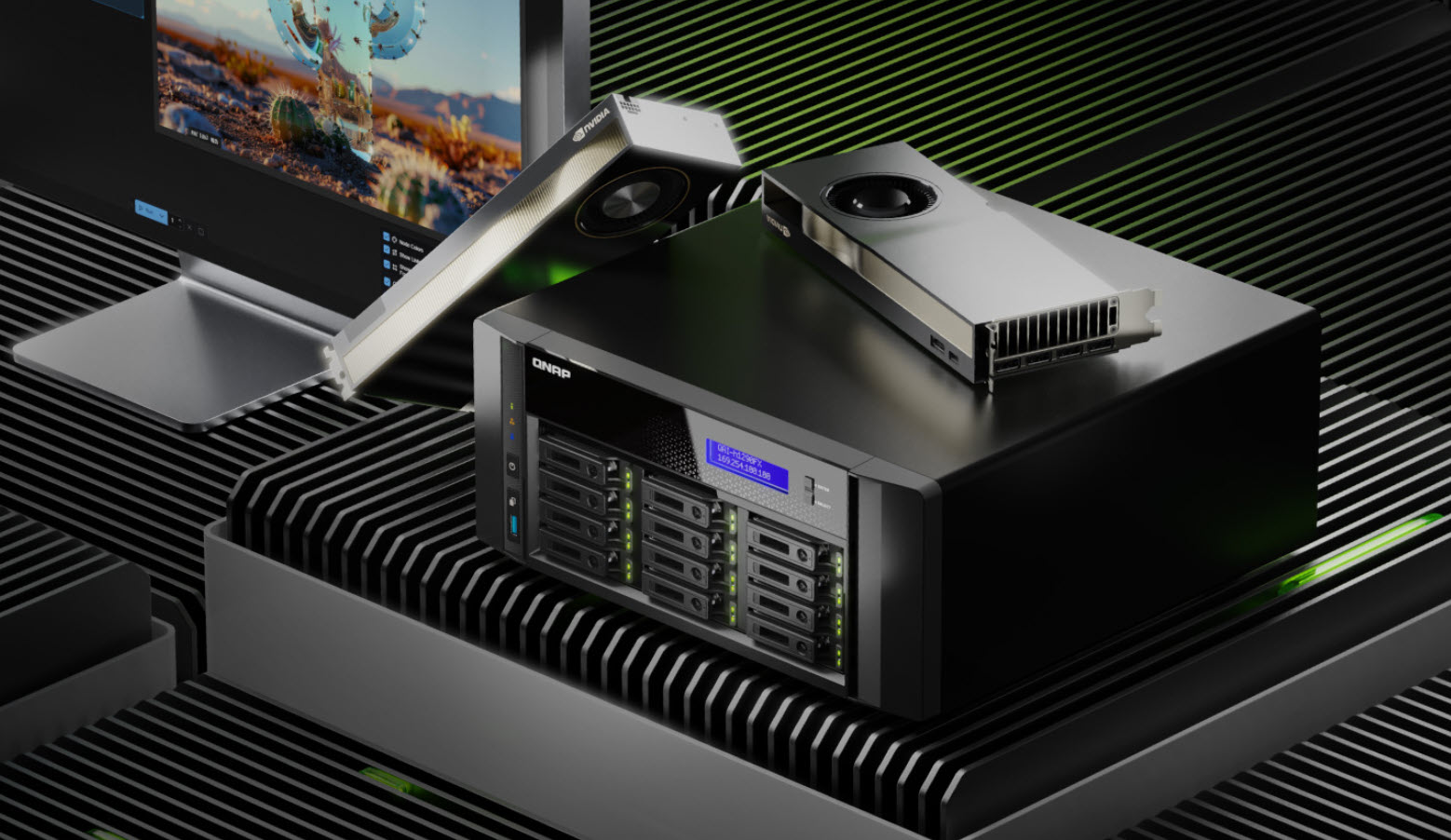
NVIDIA’s not subtle. DGX Spark for protos — Grace Blackwell superchip, full stack, run 31B at BF16. Jetson for robotics: conditional loading caches embeddings, near-zero latency. RTX Garage for your Windows hack — hobbyist inference, pros with vLLM.
They collabed with vLLM for throughput, Ollama for easy local, llama.cpp for lightweight. Guides everywhere: Playbooks, AI Labs, NeMo for tuning. Impressive scaffolding.
But wander with me here — I’ve chased edge AI since Tegra days. Jetsons were niche forever, cute for drones but starved on apps. Gemma 4’s multimodal (vision, video, audio) could flip that. Imagine physical agents: warehouse bots spotting defects, AR glasses narrating scenes, all private. Regulated industries drool — no GDPR headaches.
One hitch. Quantized NVFP4? Blackwell-only for now, via Model Optimizer. Rest? BF16 on Hugging Face. Fine for devs, but scale to fleets? Power draw, heat — edge ain’t free.
NVIDIA’s Real Edge: Hardware Moats Over Open Models
Zoom out. Gemma’s Google, open-weights arm of Gemini. But NVIDIA bundles it with their empire: Blackwell data centers to Spark prototypes. RTX AI Garage blog? Go read — it’s a sales funnel.
| DGX Spark | Jetson | RTX |
That table screams use cases: research, edge AI, desktop. All funnel to NVIDIA silicon. vLLM on Spark maximizes throughput; NeMo tunes your agents. Secure? Private? Check. But who foots the 128GB memory bill?
Here’s my critique on the PR spin: ‘Full spectrum deployments’ glosses the divide. Data center? Easy. Edge? You’re wrestling memory, thermals, real-time constraints. Gemma 4 E2B might sip 2.3B effective, but video+audio on battery? Test it in wild — prototypes lie.
Still, props. Supports 140 languages pre-trained — global play. Function calling for agents? Native. Coding/debug? Devs eat that.
Punchy doubt.
And the money? NVIDIA’s printing it. Hyperscalers rent GPUs; now edge shifts spend to client silicon. Jetson fleets in factories, RTX in creator PCs — recurring as upgrades. Google gets open-mindshare; devs get tools. Users? Latency wins, if hardware holds.
The Bottom Line: Prototype Now, But Watch the Bills
I’ve deployed edge AI in anger — it’s messy glory. Gemma 4 lowers bars: multimodal mix in prompts, MoE smarts without bloat. Historical parallel? Like ARM’s rise crushed x86 power hogs; this crushes cloud dependency.
Try it. Hugging Face today. RTX? Ollama up in minutes. Jetson? Containers ready. But ask: Does your use case scream ‘edge,’ or is this dev joyride?
Deep breath. Twenty years says: Hardware vendors win these rounds.
🧬 Related Insights
- Read more: NVIDIA Turbocharges Gemma 4 for RTX-Powered Local Agents
- Read more: NanoLEDs Shrink to 90nm: Lighting Up the Future of VR and Beyond
Frequently Asked Questions
What is Gemma 4 and what models are available?
Gemma 4 is Google’s latest open multimodal AI models for edge and data center, with four variants: 31B dense, 26B MoE, and E4B/E2B for on-device text/audio/vision/video. All on Hugging Face now.
Can Gemma 4 run on NVIDIA Jetson or RTX GPUs?
Yes — Jetsons for robotics with low-latency tricks, RTX for desktop via Ollama/llama.cpp/vLLM. DGX Spark handles the big 31B for prototyping.
Is Gemma 4 better for edge AI than previous models?
Efficiency jumps with MoE, quantization, and multimodal support beat Gemma 3, fitting more tasks locally without cloud lag — but test your hardware.