The humming of server racks, typically a chorus of x86 architecture grinding through workloads, has taken on a new, more urgent frequency. It’s the sound of artificial intelligence gobbling up compute, and AMD, it seems, is poised to ride that wave to unprecedented heights.
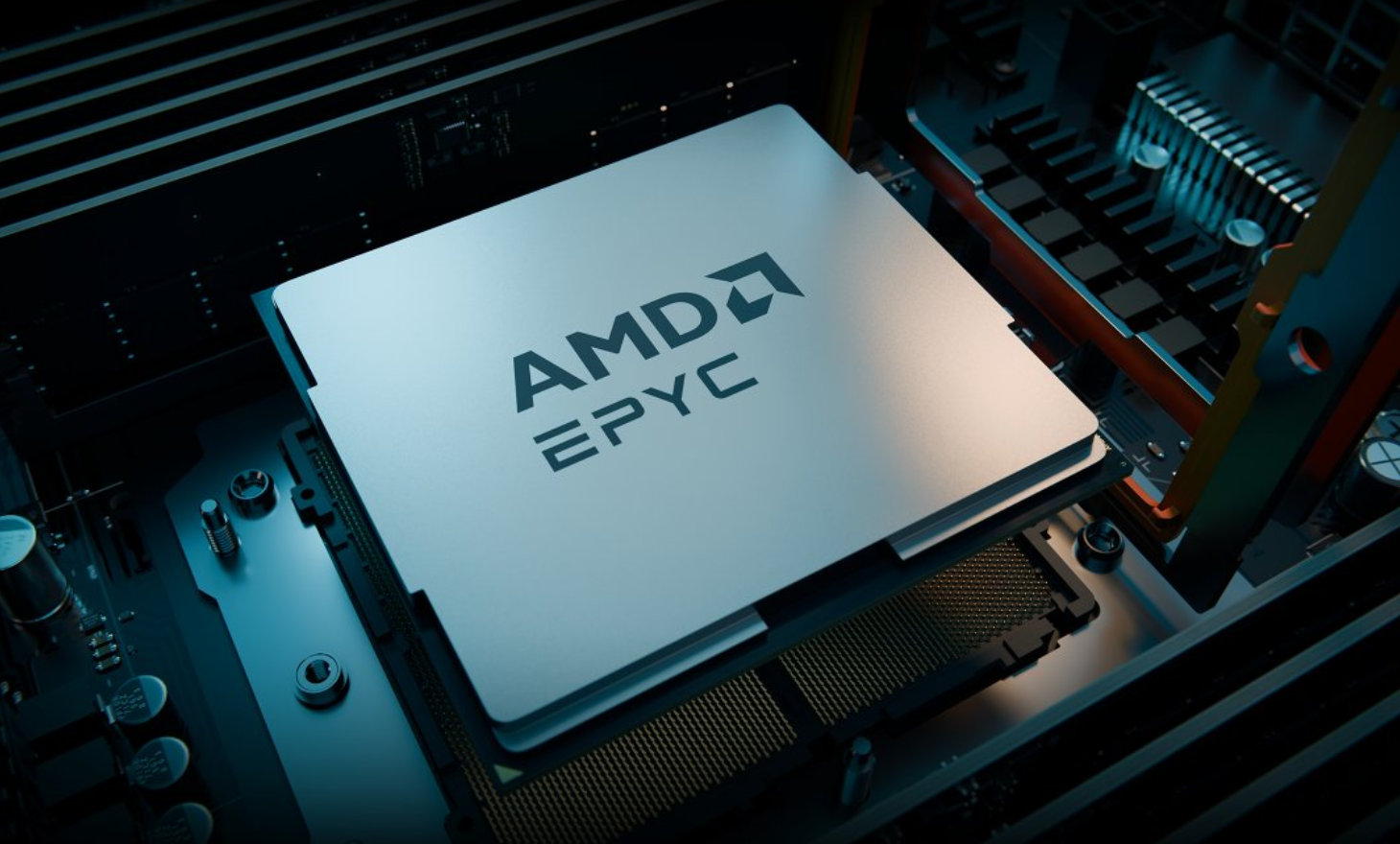
Forget the incremental gains. UBS analysts are forecasting an eye-watering 80% surge in AMD’s server CPU revenue for the current year. That’s not just growth; that’s a declaration of dominance, especially when you consider the context: Intel, despite its own momentum in the AI CPU space, appears to be leaving a significant chunk of the market underserviced. The whisper in the financial halls, echoed by UBS, suggests Intel might be undershipping demand by a substantial 20%, creating a vacuum AMD is more than ready to fill with its EPYC processors.
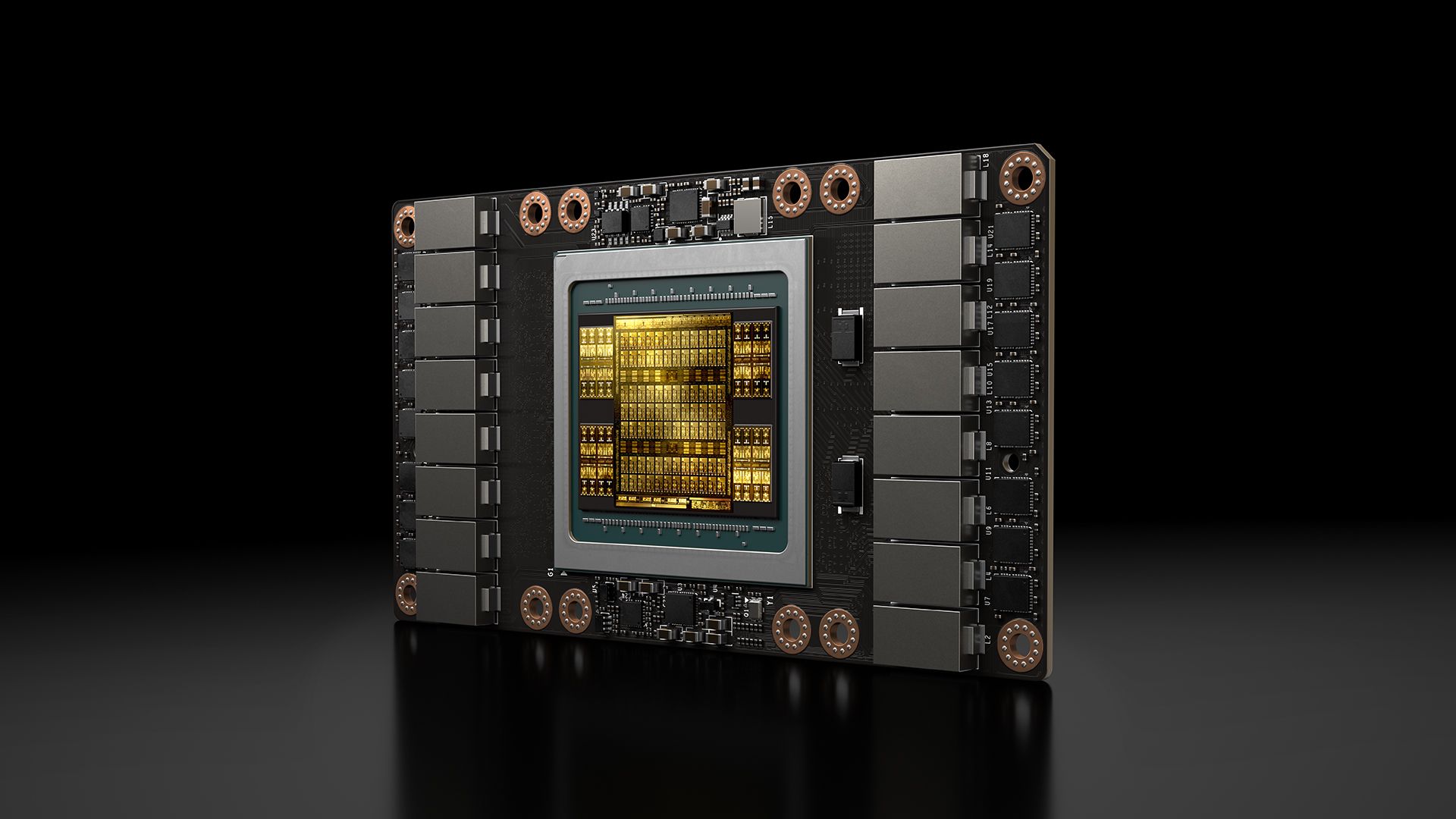
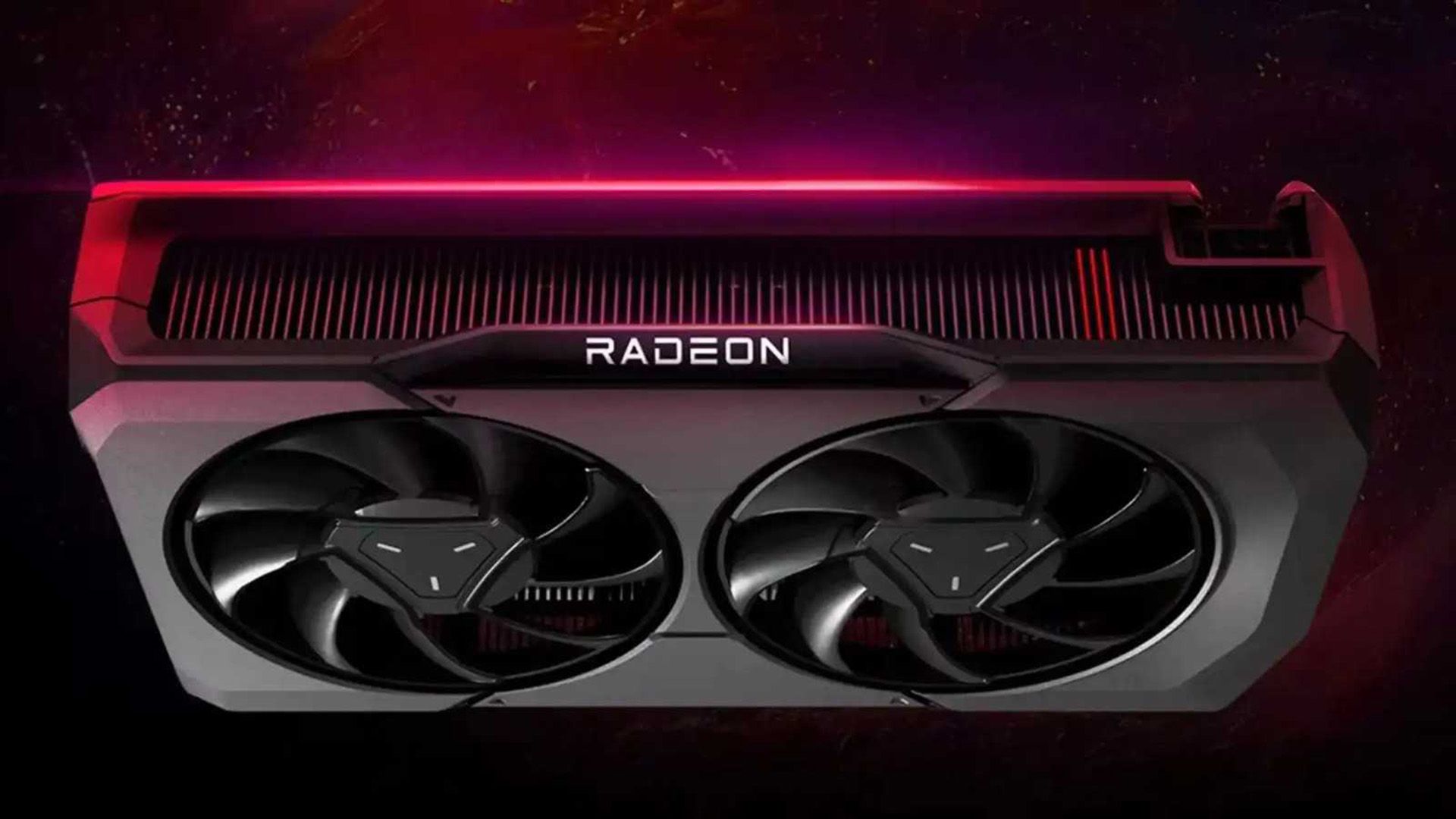
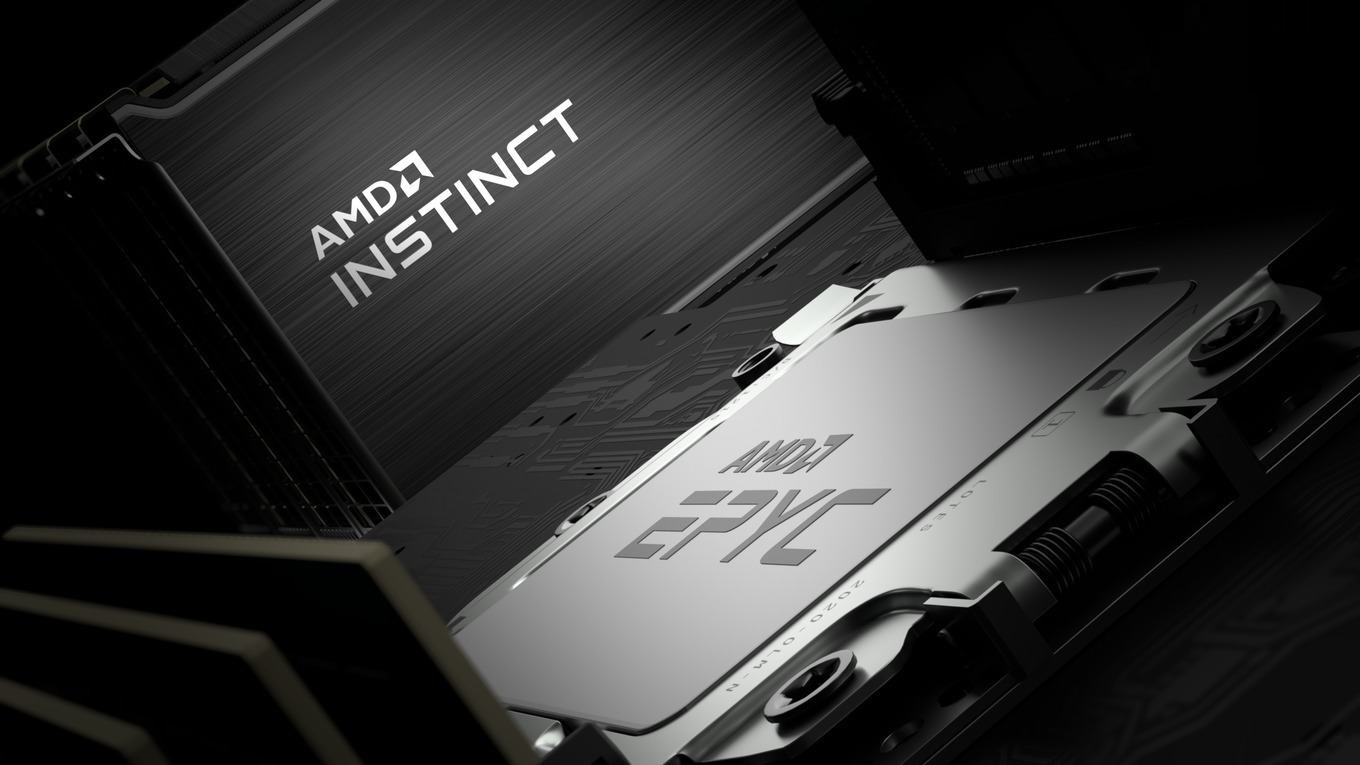
And then there are the GPUs. The real battlefield for AI. While NVIDIA has long held the undisputed crown, AMD’s Instinct line is no longer just a challenger; it’s a credible threat. The projections here are staggering: nearly a million AI GPUs shipped in 2026, predominantly the MI350, with the MI450 picking up the baton and scaling rapidly in 2027 to push the total towards a colossal 1.9 million units. This isn’t just a numbers game; it’s about architectural shifts. The MI500 series, slated for 2027-2028, is rumored to integrate co-packaged optics – a technology that could redefine data center interconnects and directly challenge NVIDIA’s next-gen Feynman platforms.
Why Does AMD’s China Strategy Matter?
But AMD’s ambitions don’t stop at the usual suspects. While the global AI race often overshadows regional dynamics, AMD is quietly carving out a significant niche in China, a market where NVIDIA’s official presence has been severely curtailed. Policy shifts and export restrictions have effectively sidelined NVIDIA, allowing AMD to capture an estimated 12% of the Chinese server market this year. This isn’t just a footnote; it’s a strategic pivot, demonstrating an agility that NVIDIA, despite its technological prowess, struggles to match in certain geopolitical landscapes. It highlights a crucial architectural principle for any hardware vendor: adaptability in the face of global regulatory currents.
Of course, the unofficial channels are a persistent thorn in the side of official market share reports. Many firms, desperate for cutting-edge AI chips, continue to procure NVIDIA’s latest silicon, even if it means bypassing official routes. The black market, it seems, thrives when official supply chains become too restrictive. Still, AMD’s official gains are undeniable, painting a picture of a diversified growth strategy.
A Bet on the Future of Inference
What’s truly compelling here isn’t just the raw shipment numbers, but the underlying bets AMD is making. Their assertion of superior AI inferencing performance versus competitors isn’t mere marketing fluff; it’s a statement about the architectural optimizations in their silicon. As AI models become more complex and the need for real-time inference grows, chips that excel in this specific domain will command a premium. The impending earnings report, with anticipation for strong numbers fueled by agentic AI and the EPYC CPU demand, serves as a potent validation of this strategy.
One analyst summed up the market sentiment succinctly, suggesting that Intel’s current guidance implicitly acknowledges a market they aren’t fully serving. This opens the door wider for AMD.
“The market realizes that Intel’s guidance reads very favorably for AMD, particularly server CPU given commentary that implies Intel is undershipping the market by ~20%.”
The implications of this are vast. It’s not just about who ships more chips, but about who is architecting for the future of computation. AMD’s dual-pronged attack—reinforcing its server CPU stronghold while aggressively expanding its AI GPU footprint, particularly with forward-looking tech like co-packaged optics—positions them not just as a competitor, but as a serious architect of the next generation of AI infrastructure.
This focus on inference, coupled with strategic market plays in regions like China, suggests AMD is weaving a more resilient and multifaceted business than many initially gave them credit for. The narrative is shifting from AMD as the perennial underdog to AMD as a formidable, strategically astute player in the most critical tech battlegrounds of our time.
This aggressive push into the AI GPU market, with projections that could see them eclipsing rivals in specific segments by 2027, signals a significant architectural shift within AMD itself—one that prioritizes AI acceleration at a foundational level, not just as an add-on. It’s a bold move, and one that the market seems increasingly willing to bet on.
🧬 Related Insights
- Read more: Intel Core Ultra 270K: Killer Specs, Murderous Market
- Read more: Huawei’s Ascend Chips Ramp Wildly — HBM Emerges as the Real Chokepoint
Frequently Asked Questions
What does AMD’s server CPU growth mean for the market? It suggests increased competition and potentially more favorable pricing as AMD gains market share, forcing rivals to innovate faster.
Will AMD’s AI GPUs compete directly with NVIDIA? Yes, particularly with upcoming generations like the MI500 series, which aims to match NVIDIA’s advanced technologies such as co-packaged optics.
How significant is AMD’s share in China? AMD’s estimated 12% share is substantial, especially considering NVIDIA’s significantly reduced official presence, making it a key market for AMD’s growth strategy.