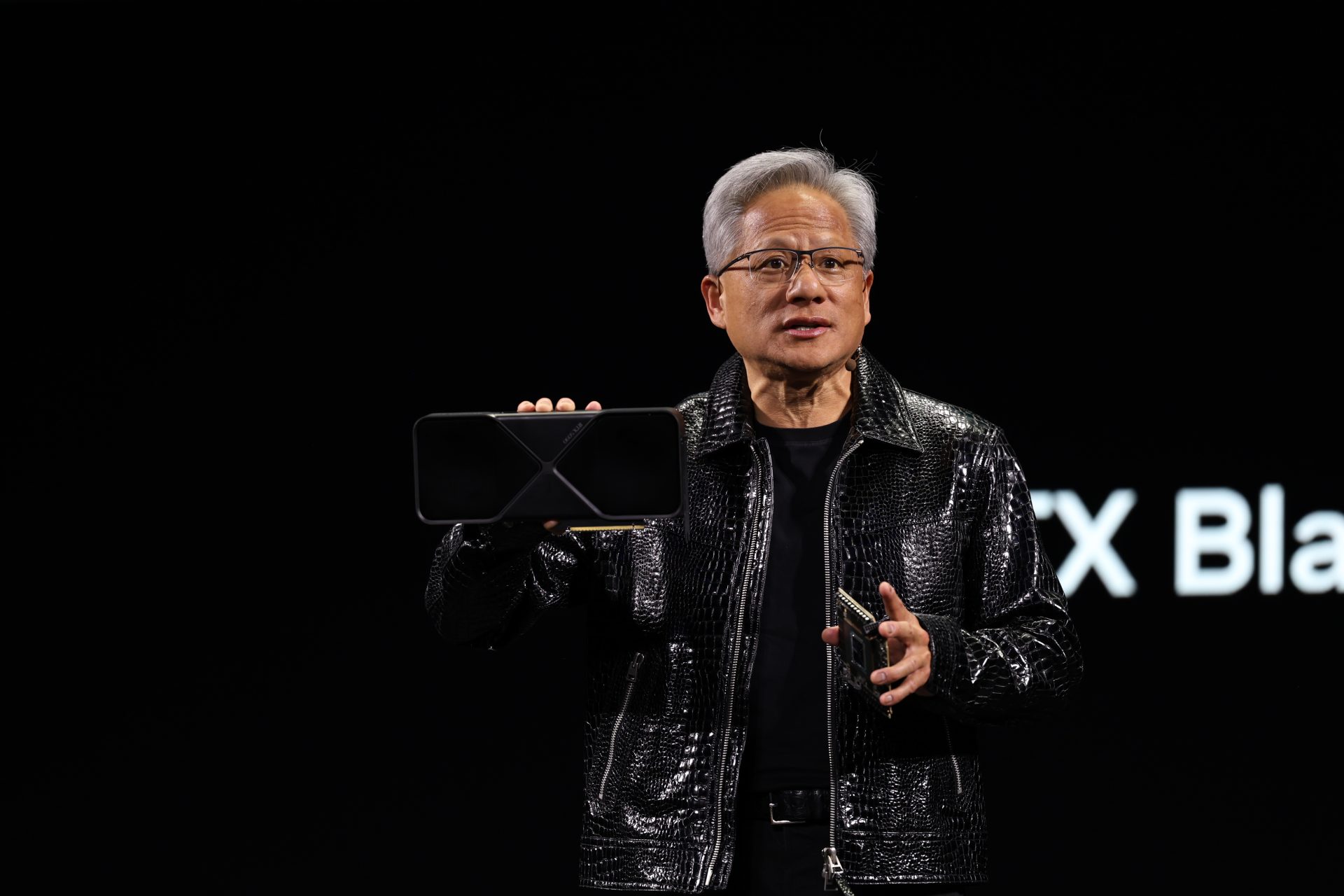
Look, the script was written, wasn’t it? For the past three years, the AI boom has been synonymous with the thunderous march of GPUs. NVIDIA’s stock chart looked like a rocket launch, and the narrative was clear: if you want AI, you want a Graphics Processing Unit. Everyone and their dog expected this to continue indefinitely, a GPU-centric world for AI inference and training. But here’s the thing – the market rarely stays put, and Alchip Technologies, through its chairman Johnny Shen, is dropping a particularly loud pebble into this seemingly placid pond.
Shen’s claim isn’t just a whisper; it’s a declaration that the next phase of AI hardware growth might actually belong to Application-Specific Integrated Circuits (ASICs). This isn’t a minor correction; it’s a potential pivot that could reshape the competitive landscape for chip designers, manufacturers, and, ultimately, the companies footing the AI bill. The implication is stark: the reign of the generalized GPU as the undisputed king of AI processing might be facing a serious challenge from highly optimized, purpose-built silicon.
Why the AI Hardware Landscape is Shifting
The dominance of GPUs in AI isn’t accidental. Their parallel processing power, originally designed for graphics, turned out to be remarkably well-suited for the matrix multiplications at the heart of neural networks. Companies like NVIDIA built an ecosystem, software stack, and market momentum that seemed unassailable. They became the default choice, the easy answer for anyone looking to build or deploy AI models. This created a virtuous cycle where more AI workloads meant more demand for GPUs, leading to further innovation and market consolidation.
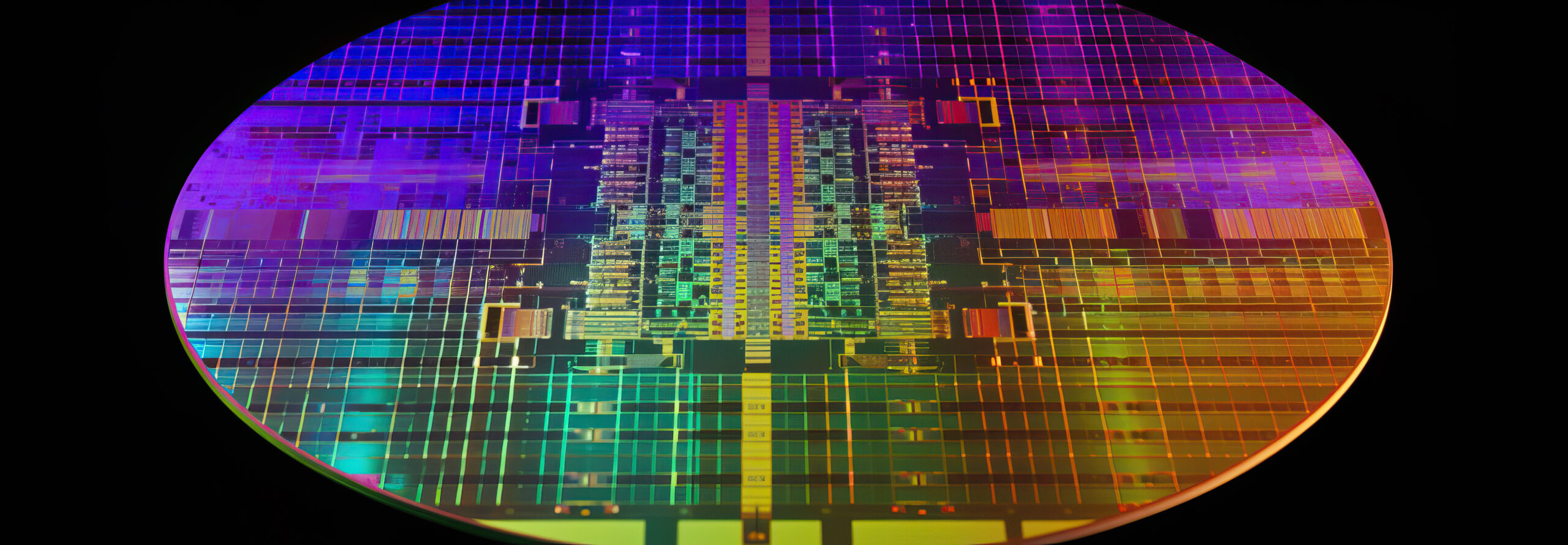
But specialization has always been the path to efficiency. For AI tasks, particularly at scale or in specific applications, a custom-designed ASIC can offer significant advantages. We’re talking about higher performance per watt, lower latency, and, crucially, a drastically reduced cost per operation. While a GPU is a jack-of-all-trades, an ASIC is the master of one. Think of it like using a sledgehammer to crack a nut versus a precision tool – the latter is often far more effective and economical for a specific job.
“The growth rate of ASICs for AI is expected to be significantly higher than the broader GPU market in the coming years.” – Johnny Shen, Chairman, Alchip Technologies
This isn’t theoretical. Major tech players have been quietly developing and deploying their own ASICs for years. Google’s TPUs (Tensor Processing Units), Amazon’s Inferent chips, and Microsoft’s Maia AI Accelerator are prime examples. These aren’t just experiments; they are production-grade silicon designed to optimize their hyperscale operations. Alchip, as a leading provider of ASIC design and manufacturing services, is perfectly positioned to capitalize on this trend. Their business is built on enabling these custom silicon solutions, and Shen’s forecast suggests a significant upswing in demand for their expertise.
The Economic Case for ASICs
Let’s talk brass tacks. The economics of AI are becoming paramount. As AI moves from novel experiments to core business functions, the cost of compute becomes a dominant factor. GPUs, while powerful, are also expensive, both in terms of upfront hardware costs and ongoing power consumption. For companies running massive AI inference workloads – think recommendations, natural language processing, or computer vision on millions of user requests daily – the efficiency gains from ASICs can translate into billions of dollars in savings.
Alchip’s growth trajectory, tied directly to ASIC development, is a tangible indicator of this shift. If their business is expanding faster than the overall GPU market’s AI segment, it logically follows that more companies are choosing the custom silicon route. This isn’t just about replacing GPUs; it’s about a fundamental rethinking of AI hardware architecture based on specific deployment needs and long-term cost-effectiveness. It’s a move from general-purpose powerhouses to highly tuned engines.
Is This a Death Knell for GPUs?
Not so fast. It’s important not to throw the baby out with the bathwater. GPUs will undoubtedly continue to play a vital role, particularly in AI research and development, where their flexibility and broad software support remain invaluable. For training massive, cutting-edge models, GPUs will likely remain the workhorse. However, for the deployment and inference side – the sheer volume of AI processing that happens day-to-day – the economic and performance advantages of ASICs become increasingly compelling.
What we’re likely seeing is a bifurcation of the AI hardware market. GPUs will continue to excel in their niche, while ASICs will carve out a significant and growing share, particularly in areas where cost, power, and specific performance metrics are critical. Alchip’s prediction suggests that this ASIC segment, driven by hyperscalers and large enterprises, will grow at a pace that outstrips the broader, more generalized GPU AI market. It’s a maturing market finding its specialized champions.
This strategic shift also has profound implications for chip designers and foundries. It demands a different kind of expertise – not just raw processing power, but deep understanding of specific AI algorithms and the ability to translate those into silicon. For foundries like TSMC, this means a continued need for cutting-edge manufacturing capabilities to produce these complex, high-performance ASICs.
Ultimately, Johnny Shen’s pronouncement isn’t just a forecast; it’s a reflection of market maturity. As AI becomes more pervasive, efficiency and cost become king. The era of the GPU as the sole AI hero may be giving way to a more diverse, specialized hardware ecosystem, with ASICs increasingly taking center stage for a significant portion of the AI workload. Keep an eye on Alchip; their business is a barometer for this substantial, and perhaps inevitable, industry evolution.
🧬 Related Insights
- Read more: Dell AI Factory Hits 5,000 Clients [Nvidia Fueled]
- Read more: Aparna Bawa Jumps from Zoom to Intel: The Culture Fixer Chipmakers Desperately Need
Frequently Asked Questions
What does Alchip Technologies do? Alchip Technologies is a leading provider of ASIC (Application-Specific Integrated Circuit) design and manufacturing services, helping companies develop custom silicon chips for specialized applications.
Will this mean GPUs become obsolete for AI? No, GPUs will likely remain crucial for AI research and training due to their flexibility. However, ASICs are expected to take a larger share of the AI inference market due to their efficiency and cost advantages for specific tasks.
Why are companies moving towards ASICs for AI? Companies are moving towards ASICs to achieve higher performance, better power efficiency, and lower costs for their specific AI workloads, especially for large-scale inference tasks where generalized hardware is less economical.