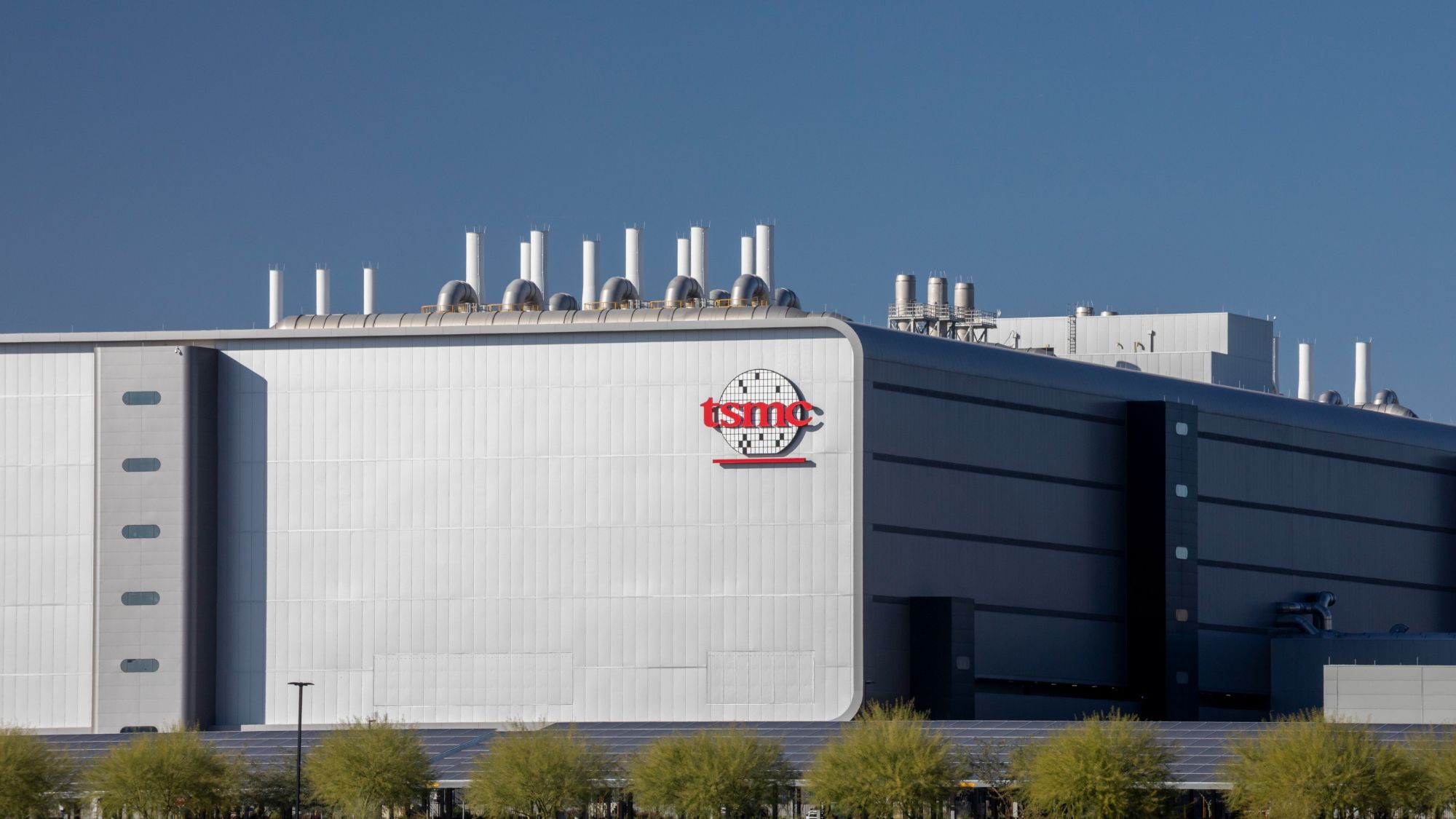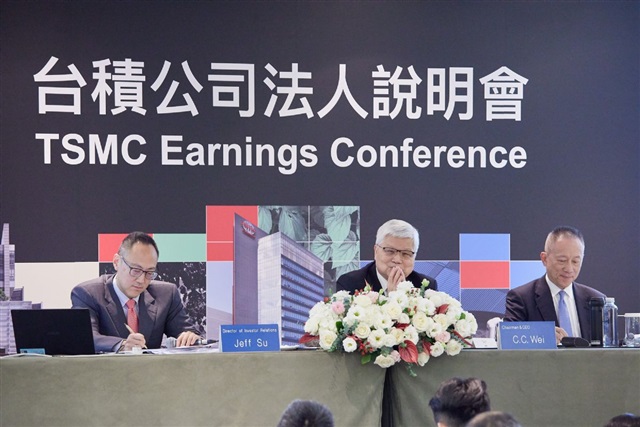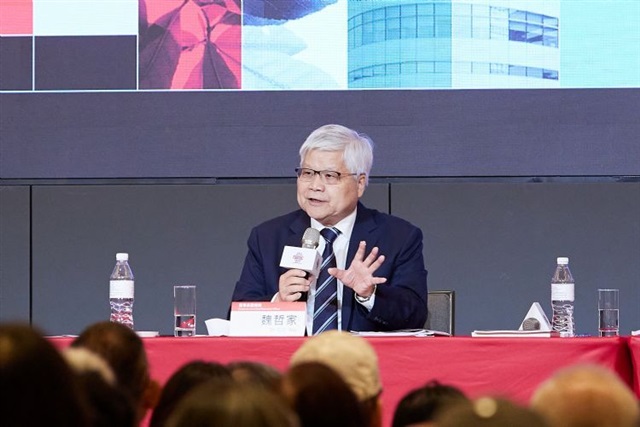
The hum of billion-dollar fabrication plants, usually a symphony of relentless progress, is now punctuated by the discordant note of employee discontent at Taiwan Semiconductor Manufacturing Company (TSMC).
This isn’t just some minor HR kerfuffle; it’s a significant tremor running through the bedrock of the global semiconductor supply chain. When the company that literally makes the chips powering everything from your smartphone to advanced AI servers starts hearing grumbles from its own ranks about compensation, the market pays attention. Chairman C.C. Wei is slated to personally address employees on May 27th, a move that speaks volumes about the intensity of the backlash following revisions to the company’s bonus policy.
What exactly triggered this internal firestorm? Reports suggest a shift in how bonuses are calculated, specifically affecting the performance-linked component of their remuneration. For a company that thrives on meticulous engineering, precision, and often, long hours, the perceived devaluation of their contribution, especially after a stellar year for TSMC, is understandably a sore point. We’re talking about the architects of the technological age, and they’re feeling shortchanged. It’s a classic case of misaligned incentives, where the company’s strategic financial maneuvering appears to have missed a crucial human element.
The Bottom Line: Numbers Don’t Lie, But They Can Be Misinterpreted
Let’s cut to the chase. TSMC just reported its first-quarter earnings, and guess what? They beat expectations, clocking in impressive revenue figures driven by strong demand for their advanced process nodes, particularly for AI applications. So, the business is booming. The chips are flying off the shelves, and the order books are thick. Yet, the very people instrumental in this success are feeling the pinch, or at least, a perceived reduction in their expected rewards. This isn’t about handouts; it’s about acknowledging and rewarding the very engine of that success.
The shift, as detailed by industry whispers and subsequent employee discussions, seems to involve a recalibration of how performance metrics translate into bonus payouts. While the precise details of the old versus new formula are, as expected, closely guarded, the sentiment on the ground is clear: less money is flowing to the pockets of the engineers and technicians who are the operational backbone of TSMC. This is particularly galling when you consider the context of global inflation and the sheer criticality of TSMC’s role in the geopolitical and economic landscape.
We’re not talking about a small percentage here. For many, these performance bonuses represent a significant portion of their annual compensation. A perceived cut, especially after a period of intense work and company success, can quickly erode morale, and in a highly competitive talent market like semiconductors, that’s a risk no company can afford to take, least of all the industry titan.
Why Does This Matter to You and Me?
Look, this isn’t just an internal squabble for Chip Beat readers to passively observe. TSMC’s operational stability is paramount to the entire global tech ecosystem. Any significant disruption—be it a slowdown in production due to disgruntled staff or a mass exodus of talent—has ripple effects that will be felt from Silicon Valley to Shenzhen. Imagine the delays in new product launches, the increased costs passed down to consumers, or the geopolitical implications of a weakened TSMC.
Furthermore, the way TSMC handles this situation will serve as a benchmark for other semiconductor giants. How do you balance shareholder value with employee satisfaction, especially when both are supposed to be climbing in tandem? This is where leadership truly gets tested. It’s easy to bask in the glow of record profits; it’s a different ballgame when you have to explain why those profits aren’t translating into the expected rewards for the workforce.
Here’s the kicker: TSMC isn’t just any chip maker. They’re the foundry of choice for Apple, NVIDIA, AMD, and Qualcomm. Their ability to consistently produce the most advanced chips on the planet is what fuels innovation across countless industries. If their engineers and technicians are demoralized, if their best minds start looking elsewhere, the pace of technological advancement could very well slow. That’s a scenario that should concern everyone, not just investors.
Chairman Wei’s personal appearance is a tacit admission that the online backlash wasn’t just noise; it was a significant signal that something needed direct attention from the top. It’s an attempt to quell the dissent before it escalates further and potentially impacts production or talent retention. The stakes are incredibly high. A few percentage points difference in a bonus calculation could, in this context, translate into billions in lost market confidence or innovation.
“The company is committed to providing competitive compensation and benefits to its employees and regularly reviews its compensation policies to ensure competitiveness.”
That’s the corporate line, of course. And while it’s standard practice to say such things, the actions—or perceived actions—speak louder. The ‘regular review’ seems to have hit a nerve, suggesting a disconnect between the company’s strategic financial goals and the tangible impact on its workforce. This isn’t about whether TSMC can afford to pay more; it’s about whether they will, and whether they understand the long-term value of retaining a motivated, highly skilled workforce.
Ultimately, the success of TSMC, and by extension, much of the technological progress we take for granted, hinges on its ability to maintain operational excellence. And that excellence is built by people. Ignoring their concerns, even with the best financial intentions, is a gamble that even a titan like TSMC can’t afford to lose. The coming days, and Chairman Wei’s address, will be a crucial indicator of TSMC’s leadership philosophy in action.
🧬 Related Insights
- Read more: MacBook Air M5 Discount: $899 for 13-inch Model
- Read more: IBM & US Launch Quantum Foundry [CHIPS Award Fuels Ambition]
Frequently Asked Questions
What is the main reason for the TSMC bonus dispute?
The dispute stems from recent revisions to TSMC’s employee bonus policy, which employees perceive as a reduction in their performance-linked compensation, despite the company’s strong financial performance.
Will this dispute affect chip production?
While no production halts have been announced, a significant and prolonged dip in employee morale could potentially impact productivity and talent retention, indirectly affecting future production capabilities and innovation.
What is TSMC’s official stance on the bonus policy?
TSMC has stated that it is committed to providing competitive compensation and benefits and regularly reviews its policies to ensure competitiveness.