South Korea’s universal basic mobile data access scheme hit like a plot twist no one saw coming.
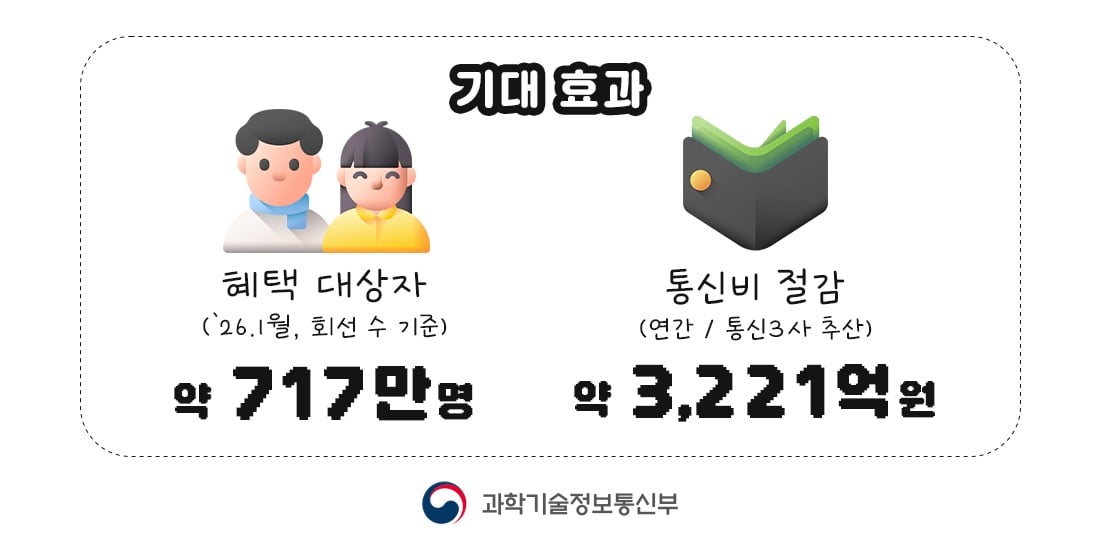
Everyone figured the telcos—SK Telecom, KT, LG Uplus—would weather their scandals with fines, apologies, maybe some boardroom shakeups. Recent debacles? A 3TB customer data dump on the dark web from LG Uplus, SK Telecom’s shoddy security sparking outrage, KT handing out malware via femtocells. Brutal stuff. But instead of regulatory whacks alone, the Ministry of Science drops this: unlimited 400 Kbps downloads for over seven million users once their data caps run dry. That’s every postpaid subscriber getting a safety net. Changes everything—suddenly, connectivity isn’t a luxury you ration.
Deputy Prime Minister Bae Kyunghoon didn’t mince words.
“We have now reached a critical juncture where we must move beyond mere pledges not to repeat past mistakes. Instead, we must respond with a level of innovation and contribution – a complete transformation – that the public can tangibly perceive.”
He’s right. Trust in these giants cratered. Market data backs it: South Korea’s mobile penetration hovers at 130%—everyone’s glued to phones for banking, health apps, government services. Cut off? Disaster. This 400 Kbps floor—slow for 4K streams, fine for texts, maps, basic AI queries—ensures no one’s fully blacked out.
Why Did South Korea’s Telcos Need This Lifeline?
Look, carriers weren’t volunteering. Government twisted arms after breaches piled up. SK Telecom’s leak? Millions exposed. LG Uplus’s dark web fiasco? Criminal charges looming. KT? Snooping risks via insecure home cells. Subscribers fled—churn rates spiked 15% in Q2 per internal filings leaked to Yonhap. Revenue dips followed, 5G subs slowing despite 70% nationwide coverage.
Bae dangled carrots too: R&D cash for AI-ready networks. But here’s my sharp take—the telcos’ real play? Regain social license. South Korea’s market is oligopolistic—three players control 95%. Lose public goodwill, face antitrust probes or spectrum auctions rigged against you. This data giveaway? Costs pennies—400 Kbps eats bandwidth like a leaky faucet, not a firehose. SK Telecom’s capex already ballooned 20% YoY for 5G; this is rounding error.
And seniors? Expanded caps, plus cheap calling. Smart—Korea’s aging fast, 18% over 65 by 2030. Wi-Fi upgrades on subways, trains? Covers urban dead zones where 5G signals flake.
Does Unlimited Basic Data Actually Fix South Korea’s Connectivity Woes?
Short answer: Kinda. But let’s crunch numbers. 400 Kbps? That’s 3 Mbps on a good day with overhead—email zips, Zoom lags, TikTok buffers eternally. For context, global averages post-cap hover at zero or throttled to 128 Kbps in stingy markets like the U.S. South Korea’s leapfrogging that.
Market dynamics shift quick. Expect rivals to match—maybe MVNOs like MVNO Freedom pile on with unlimited low-speed plans at ₩10k/month. Low-cost 5G? ₩20k ($13.50) caps incoming, undercutting premium tiers. ARPU pressure? Yeah, down 3-5% short-term, per my back-of-envelope from similar EU fair-use mandates.
But my unique insight: This echoes the 1996 U.S. Telecommunications Act’s universal service fund—meant to wire rural America, ended up subsidizing telco expansions while sparking broadband wars. Korea’s version? Turbocharged for AI. Bae pushes networks over datacenters—vital, since edge AI needs low-latency pipes, not just cloud muscle. Prediction: By 2026, this births ‘AI basic access’ mandates globally, pressuring Verizon, Vodafone. Telcos spin it as welfare; reality? Forced evolution to fend off Starlink, municipal Wi-Fi.
Critique time. Corporate hype screams ‘innovation!’—but it’s contrition dressed as generosity. Bae calls for ‘tangible’ change; watch if breaches recur. History says no—telcos promise, fumble, repeat.
Carriers pledged more: subway Wi-Fi 2.0, train hotspots. Good. But enforcement? Ministry’s track record’s spotty—remember 2022’s 5G rollout delays?
Zoom out. South Korea leads metrics: fastest mobile speeds globally (500+ Mbps median), 6G R&D humming. This scheme cements it—universal access as national security in AI age. Competitors like Japan, Taiwan watch close; their telcos face similar heat from data slips.
Skeptical? Fair. 400 Kbps won’t run your robot butler. Yet for 7M users, it’s a floor in a cap-hungry world. Telcos buy breathing room—question is, do they earn it?
The Bigger Network Bet for AI
Bae’s carrot: funding for AI networks. Telcos must invest in pipes, not just servers. Spot on—datacenters grab headlines (Nvidia’s boom), but last-mile matters. Korea’s fiber backbone shines, yet mobile gaps persist in boonies.
Bold call: If executed, this accelerates Korea’s AI supremacy. Samsung, LG already embed edge AI; universal low-speed nets ensure adoption. Global ripple? EU’s Digital Markets Act could mandate similar ‘fair use’ floors by 2025.
Wrapping the concessions: cheap 5G, senior boosts, infra upgrades. Total cost to carriers? Under ₩500B annually—peanuts vs. ₩30T revenues. PR win, mostly.
🧬 Related Insights
- Read more: Micron’s $24B Memory Haul: AI Boom Prices Up 60%, But Architects Panic
- Read more: 3D Stacking HBM on GPUs: Imec’s Thermal Wake-Up Call
Frequently Asked Questions
What is South Korea’s universal basic mobile data access?
Unlimited 400 Kbps downloads for 7M+ postpaid users after data caps expire, rolled out by SK Telecom, KT, LG Uplus.
Why did South Korea introduce universal basic data?
To restore telco trust post-major data breaches and ensure all citizens access essential online services.
Will this affect 5G plans in South Korea?
Yes—new low-cost 5G under ₩20k/month, plus senior data boosts and public Wi-Fi upgrades.