Everyone assumed this was it. The final curtain call for human spreadsheet mastery, thanks to the relentless march of AI. We were bracing ourselves for slick, algorithm-generated reports that spit out insights with soulless efficiency. Then, like a phoenix from the ashes of pivot tables past, Gary entered the arena.
Gary, a man whose LinkedIn profile probably boasts more certifications than a nervous flight attendant, decided to remind everyone what real skill looks like. Not AI-generated templates. Not convoluted Power BI dashboards. Just pure, unadulterated Excel wizardry. He apparently still possesses the formula, a phrase that feels quaint in our current tech zeitgeist, but here we are.
It’s easy to scoff. AI chatbots can churn out formulas faster than a hummingbird’s wings. They can analyze datasets the size of small countries. But can they, with a flick of the wrist and a knowing glint in their eye, craft a VLOOKUP so elegant it makes grown men weep?
Apparently, Gary can. And that’s the kicker, isn’t it? We’re so busy marveling at the shiny new AI toys that we’re forgetting the fundamental building blocks. The tools that have powered business for decades. The ones that, in the right hands, are still utterly formidable.
The AI Hype Train Rolls On… And On
Look, nobody’s denying AI’s power. It’s everywhere. From writing articles (ironic, I know) to driving cars. The discourse has been saturated with its potential to replace, to automate, to streamline us out of existence. The narrative is simple: AI is coming for your job, and your spreadsheet is next on the chopping block.
This is where the PR machine kicks into overdrive. Every company, every startup, every basement tinkerer with a GPU is shouting about their AI solution. They promise efficiency, cost savings, and a future where humans are merely supervisors of intelligent machines. It’s a compelling story. A story that often conveniently omits the messy reality of human ingenuity.
The AI narrative is so dominant that it risks overshadowing the quiet persistence of established expertise. People forget that mastery is built over years, not generated in seconds by a large language model.
And then there’s Gary. A singular data point, perhaps. A statistical anomaly. But also, a potent reminder.
Is Human Excel Still Relevant?
This isn’t just about Gary being good at Excel. It’s about what his — let’s be honest, rather specific — victory signifies. It signifies that human intuition, creativity, and years of honed skill still hold a unique, irreplaceable value. AI can replicate, it can optimize, but it can’t (yet) replicate that spark of understanding that comes from deeply understanding a tool and its limitations.
Think about it: the complexity of a truly sophisticated Excel model isn’t just the formulas themselves, but the architecture behind them. The foresight to build in flexibility, the awareness of potential pitfalls, the ability to troubleshoot in ways that go beyond pattern recognition. That’s not something you can simply prompt into existence.
This whole episode underscores a broader point: the devaluing of foundational skills in the face of rapid technological advancement. We’re so eager to embrace the future that we’re prone to discarding the present. Or, more accurately, the deeply established expertise built within that present.
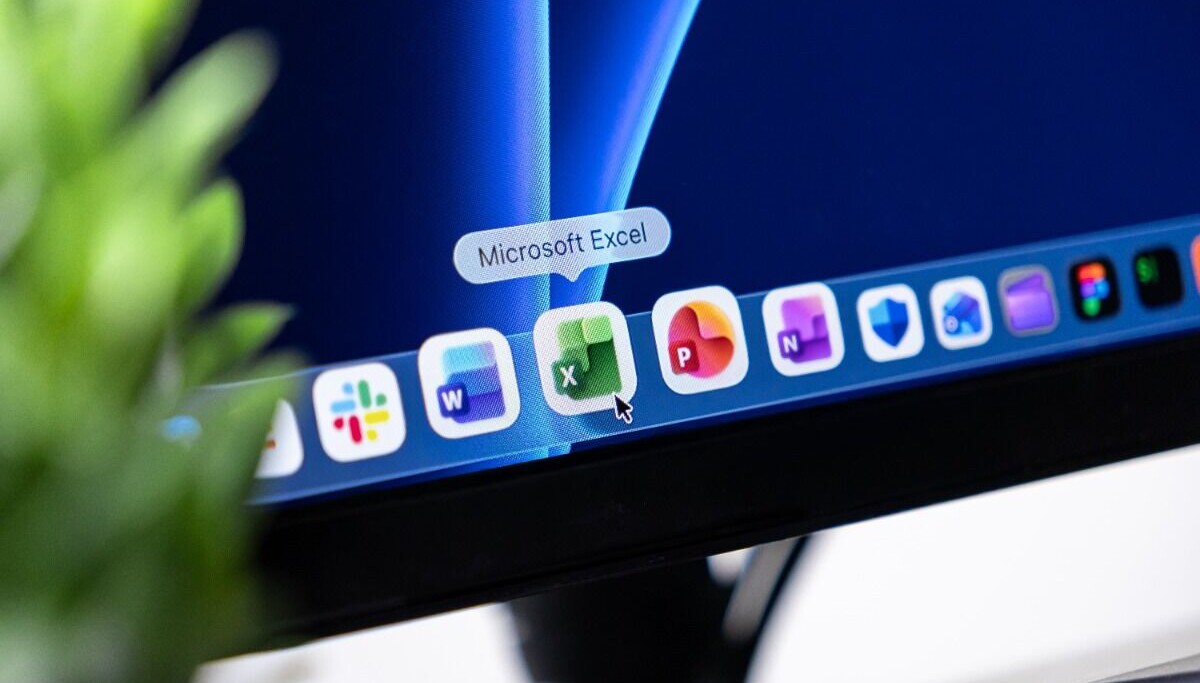
Microsoft’s own AI initiatives, like Copilot, are designed to assist Excel users, not replace them. That’s the intended path. AI as a co-pilot, not the sole pilot. Gary’s triumph, while perhaps anecdotal, reinforces this idea that the human element remains vital. He’s not just a user; he’s a craftsman.
What Does This Mean for the Future of Work?
It means the “AI will replace everyone” narrative needs a serious revision. What it likely will do is redefine roles and elevate those who can work alongside AI. Gary isn’t just good at Excel; he’s likely adept at understanding data and solving business problems. If he were to integrate AI tools into his workflow, imagine the power he’d wield. He could potentially scale his abilities exponentially.
Conversely, those who only rely on AI to generate basic formulas without understanding the underlying logic might find themselves vulnerable. The machine can build the bricks, but it still needs an architect. And the architect needs to understand the properties of those bricks.
The challenge for professionals now isn’t just learning AI; it’s learning how to strategically integrate it into existing, deeply understood skill sets. It’s about augmentation, not just automation. Gary’s continued mastery is a powerful, if quirky, proof to that.
So, next time you hear about AI rendering human skills obsolete, remember Gary. Remember that even in the age of intelligent machines, there’s still room for a human who truly, deeply, understands the formula.