Look, the AI revolution isn’t just about bigger GPUs; it’s about the memory that feeds them. And Micron, bless its silicon heart, is mapping out its entire future around this undeniable truth. Persistent supply constraints and AI’s ravenous demand are no longer just buzzwords; they’re the architects of Micron’s long-term technology roadmap, with their shiny new 1-gamma DRAM, G9 NAND, and, most importantly, next-generation High Bandwidth Memory (HBM) products set to drive growth all the way through 2027. They’re even expanding their EUV adoption, which, for the uninitiated, is like trading in a spork for a scalpel when it comes to etching incredibly fine details onto silicon. This isn’t just about making more chips; it’s about making smarter, faster chips that can keep pace with the warp-speed evolution of artificial intelligence.
They’re not just planning for tomorrow; they’re building out a vision that sees HBM4E hitting the scene in 2027. HBM4E! The ‘E’ likely stands for ‘Even Faster’ or ‘Exquisitely Designed’ or perhaps ‘Elon Musk Approves.’ We’re talking about memory that can theoretically hit speeds of 1.2 terabytes per second. To put that in perspective, imagine downloading the entire Library of Congress in less time than it takes to blink. This is the kind of raw data throughput that AI models, especially the sprawling LLMs that are already changing how we interact with information, absolutely crave.
Why This HBM Surge Matters to Everyone
This is where it gets truly fascinating. Micron’s strategy isn’t a one-size-fits-all approach. They’re talking about custom AI memory designs. This is huge. It’s like going from buying off-the-rack suits to having a master tailor craft your perfect ensemble. Different AI applications have wildly different memory needs. Some require massive capacity, others demand extreme speed, and some need a delicate balance of both. By offering custom solutions, Micron is positioning itself as a co-creator, not just a supplier, in the AI hardware ecosystem.
Think of it like this: before, you had a general-purpose highway. Now, Micron is offering express lanes, dedicated routes, and even personal driveways directly to the AI supercomputers. This level of customization is what separates a commodity player from a strategic partner. It’s the difference between a hardware vendor and a foundational technology enabler.
“We’re taking a very disciplined approach to our roadmap, balancing the demands for capacity and performance with the evolving needs of our AI customers.”
That quote, folks, is the subtle whisper of a company that understands the game has changed. It’s not just about churning out wafers; it’s about understanding the soul of the machine learning model and giving it precisely what it needs to sing. The market for HBM is exploding, and Micron is clearly aiming to capture a significant chunk of it, not just by sheer volume but by offering tailored solutions that few others can match.
Is Micron Outpacing the Competition?
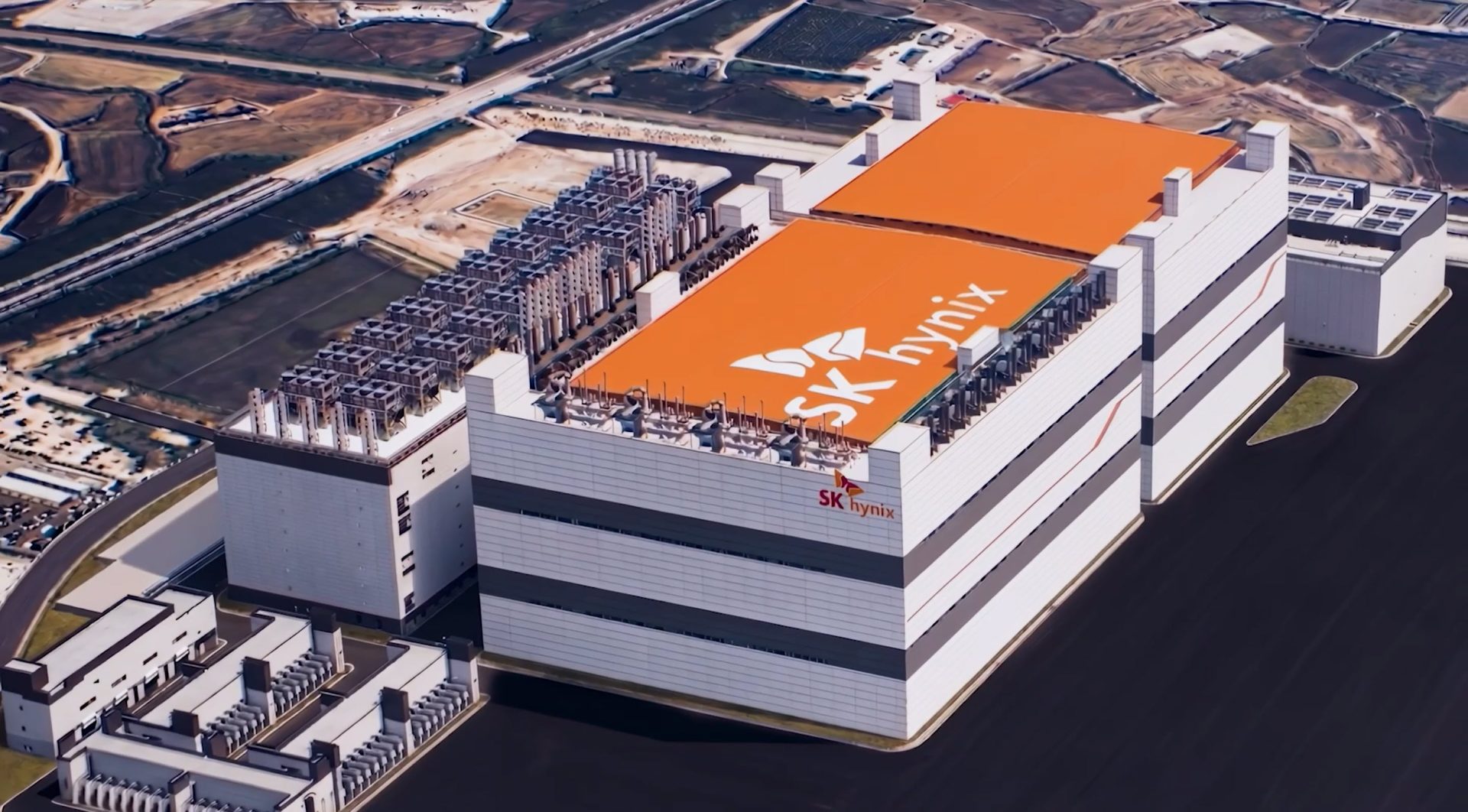
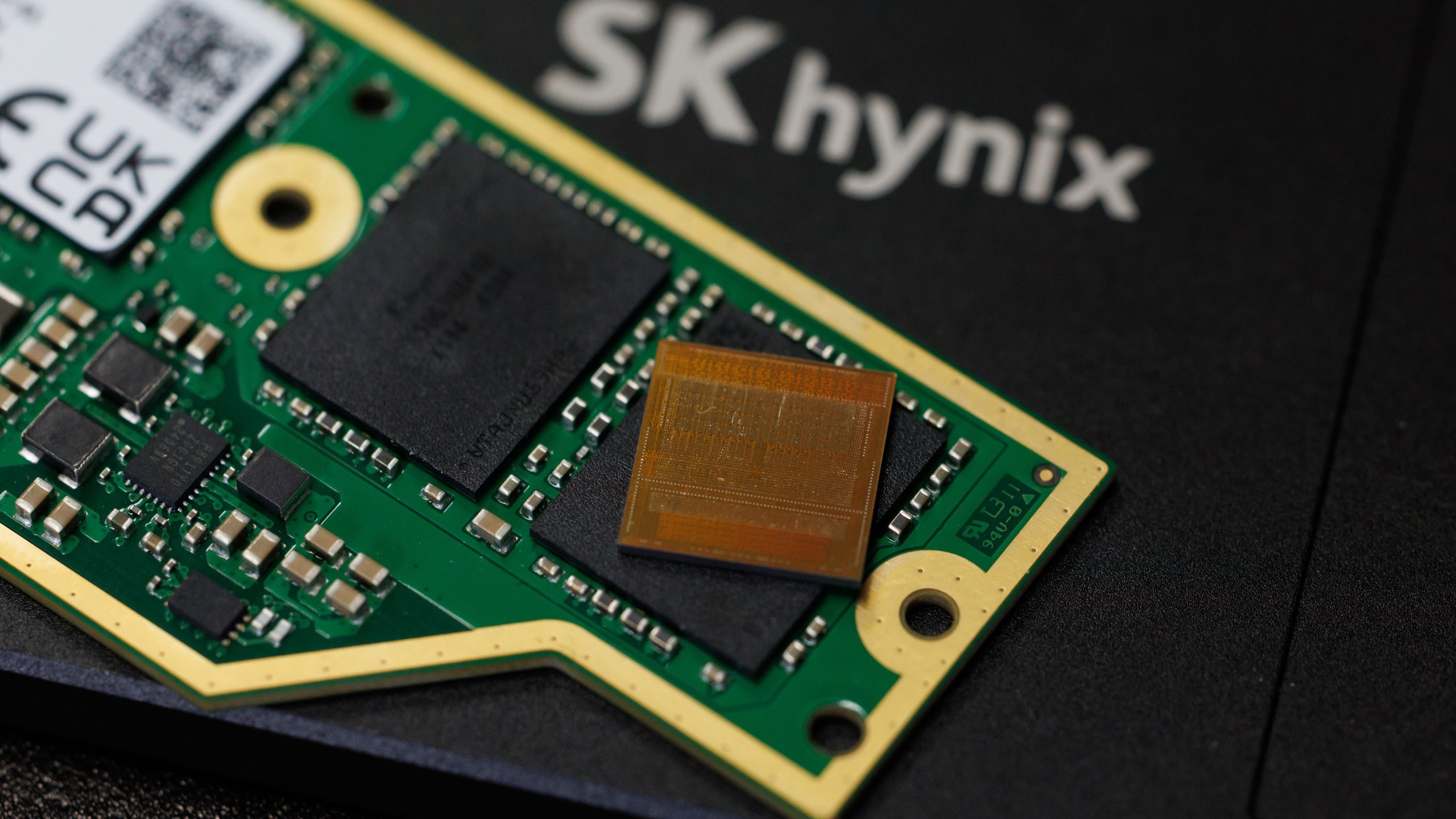
Competitors like SK Hynix and Samsung are also making significant strides in HBM technology. SK Hynix, in particular, has been a dominant force, often seen as the leader in the current HBM3 generation. However, Micron’s aggressive timeline for HBM4E and its emphasis on custom designs suggest a bold strategy to close the gap and potentially leapfrog. This isn’t just a race for speed; it’s a race for market share and for establishing long-term partnerships with the big AI players—the Amazons, the Googles, the Microsofts of the world. These are the companies that can dictate terms and demand specialized solutions, and Micron is signaling it’s ready to deliver.
This move towards custom solutions also hints at a deeper understanding of the economic realities of AI development. Building and training these massive models costs a fortune. Optimizing every component, including memory, can lead to significant cost savings and performance gains. Micron’s proactive approach in this area could be its secret weapon.
My own take? Micron isn’t just playing catch-up; they’re redrawing the playbook. Their stated commitment to developing custom AI memory solutions, coupled with a tangible roadmap that includes HBM4E by 2027, suggests a strategic pivot from a volume-based strategy to a value-based one. They’re betting that the future of AI hardware isn’t just about raw specs but about intelligent integration. This could very well be the differentiating factor that secures their position as a key player in the next decade of AI innovation. It’s about building the right engine for the right rocket ship, not just the biggest engine.
This entire HBM push by Micron, and indeed the industry at large, is a critical indicator of where computing is headed. It’s not just about faster processors anymore. It’s about a holistic approach where every component, especially memory, is optimized for the unique and demanding workloads of artificial intelligence. We’re on the cusp of a new era in chip design, and memory is no longer the silent partner; it’s taking center stage.
🧬 Related Insights
- Read more: AI Servers Get Tougher Skin: AOS SmartClamp™ Guards Against Current Catastrophes
- Read more: China: AI can’t fire you.
Frequently Asked Questions
What is Micron’s HBM roadmap?
Micron plans to introduce next-generation HBM products, including HBM4E by 2027, and is focusing on developing custom AI memory designs to meet specific customer needs.
How will custom AI memory designs benefit AI companies?
Custom designs allow AI companies to optimize memory performance and capacity for their specific workloads, potentially leading to significant cost savings and performance improvements for their AI models.
Will Micron’s new HBM products increase AI training speeds?
Yes, the increased bandwidth and performance of next-generation HBM, like HBM4E, are specifically designed to accelerate AI training and inference workloads, which are heavily reliant on fast data access.