Raccoons. A badger. Squatting in the shadows of Fab 9, sixteen miles north of Albuquerque, while Intel’s empire wobbled back in 2007.
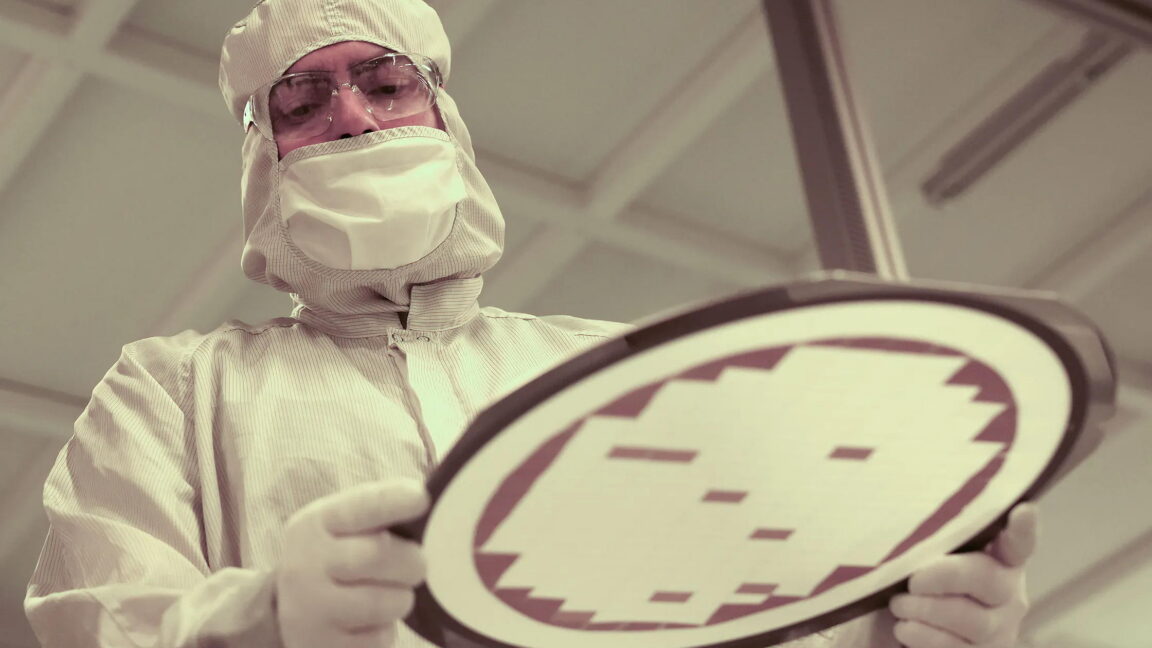
That dusty 200-acre site — part sod farm, part chip graveyard — just roared back to life. January 2024. Billions funneled in, including $500 million from the US CHIPS Act. Today, Fab 9 and Fab 11X form the backbone of Intel’s advanced chip packaging business, a segment that’s exploding quieter than a supernova but with real market heat.
From Ghost Town to Packaging Powerhouse
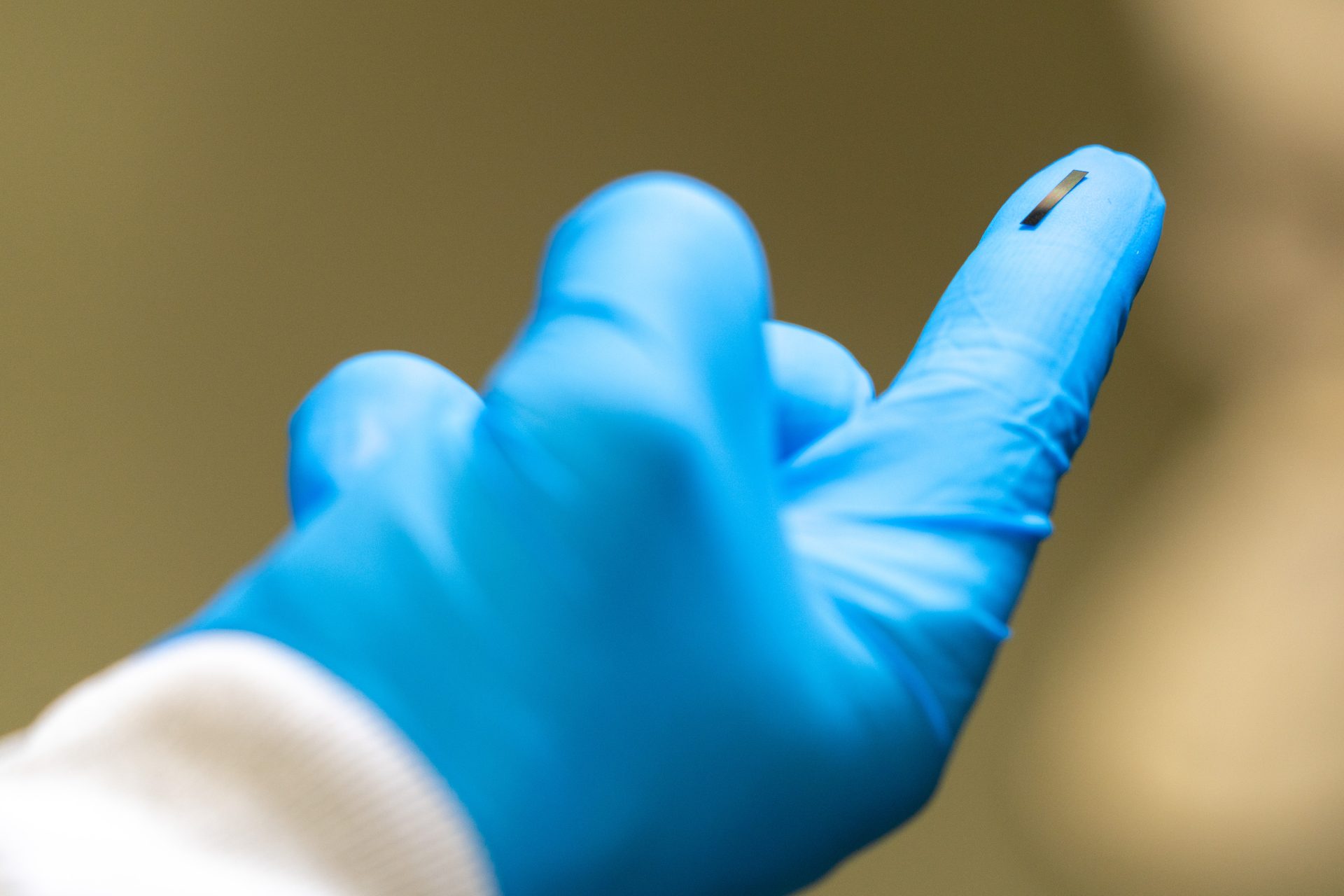
Packaging? It’s glue for the AI age — smashing chiplets (those bite-sized silicon blocks) into custom monsters that sip power better, crunch data faster. Intel’s Foundry arm is riding this wave hard. Over six months, signals scream growth: quarterly calls buzzing, projections jacked up.
CEO Lip-Bu Tan didn’t mince words. During January’s earnings powwow, he called packaging Intel’s “very big differentiator” from rivals. CFO Dave Zinsner? He straight-up revised forecasts — from mere hundreds of millions to “well north of $1 billion” in the next 12-18 months. Packaging revenue, he said, hits before wafers even ramp meaningfully.
“We expect to see revenue from packaging come in even before we start to see meaningful wafer revenue.” — Dave Zinsner, Intel CFO
Here’s the data play: AI’s thirst for compute isn’t slowing. Hyperscalers — Amazon, Google, Meta — they’re all custom-chipping now. TSMC owns scale, sure, pumping out CoWoS and InFO packages like a machine. Intel? It’s the scrappy challenger, betting New Mexico muscle closes the gap.
But wait. Intel’s packaging revenue? Still a rounding error next to TSMC’s tens of billions. Scale’s the killer here — TSMC’s ecosystem is a fortress.
Can Intel’s Packaging Bet Actually Pay Off?
Look, Intel’s not blind. They’re stacking advanced chip packaging as a wedge into AI’s pie — that $100 billion-plus market by 2027, per analysts like McKinsey. Chiplets let you mix-and-match: high-end compute dies from Intel, memory from elsewhere, all glued tight.
Fabs 9 and 11X? They’re tooled for Intel’s EMIB (embedded multi-die interconnect bridge) and Foveros — tech that’s been battle-tested in Ponte Vecchio GPUs. Customers? Towering names, whispers say Microsoft, maybe others eyeing Xeon alternatives.
Yet skepticism bites. TSMC’s packaging output dwarfs Intel’s — 3nm CoWoS reservations booked through 2025. Intel’s ramp? Aggressive, but unproven at hyperscale. And CHIPS Act billions? They’re a lifeline, not a cheat code — Intel’s burning cash, $7 billion quarterly losses in foundry.
My take — and this is the angle originals miss: It’s AMD 2.0. Remember AMD’s chiplet pivot in 2017? Walloped Intel on servers, proved modularity wins. Intel’s late, but packaging lets them play catch-up without rewriting fabs from scratch. Bold call: If execution holds, Intel snags 15-20% of AI packaging by 2026, flipping foundry reds to black.
Or it flops like Intel’s 2000s MCM dreams — modularity hype that crumbled on yields.
Why TSMC Should Sweat (A Little)
Market dynamics scream opportunity. AI accelerators demand heterogeneity — GPUs + CPUs + accelerators, all sipping shared power. Packaging’s the wizardry making it feasible. Intel’s edge? US soil, CHIPS-subsidized, geopolitics gold amid Taiwan tensions.
TSMC’s responding — Japan fabs, US pushes — but Intel’s Rio Rancho play is homeland pure. Revenue projections? That $1B+ isn’t fluff; it’s booked orders, per Zinsner. Pair it with Intel 18A process node ramps, and you’ve got a foundry that’s not just surviving, it’s slicing.
Still, here’s the sharp cut: Tan’s “differentiator” talk smells PR polish. Real diff? Yields, cycle times, ecosystem lock-in. Intel trails on all three. But AI urgency — Nvidia’s Blackwell delays, Broadcom shortages — hands Intel a window. Don’t sleep on it.
The Bigger AI Chip Shakeout
Zoom out. Advanced packaging isn’t niche; it’s the new fab war. Everyone’s piling in: Samsung’s I-Cube, AMD’s X3D. Intel’s all-in? Smart, because wafers alone won’t cut it. Foundry revenue’s wafer-tied, but packaging’s high-margin — 40-50% gross, whispers say.
New Mexico’s no accident. Proximity to Sandia labs, skilled workforce, tax breaks. That sod farm’s now silicon central.
Risks loom, though. Capex binge — $25 billion yearly — strains the balance sheet. If AI hype cools (it won’t, but if), packaging sits exposed.
🧬 Related Insights
Frequently Asked Questions
What is Intel’s advanced chip packaging?
It’s tech to integrate multiple chiplets into one powerhouse package, like EMIB and Foveros, boosting performance for AI without huge monolithic dies.
Will Intel beat TSMC in chip packaging?
Unlikely short-term — TSMC’s scale crushes — but Intel’s US focus and AI bets could grab meaningful share by 2026.
How much CHIPS Act money is Intel getting?
Up to $8.5 billion in grants plus $11 billion loans; $500 million already hit Rio Rancho for packaging ramps.