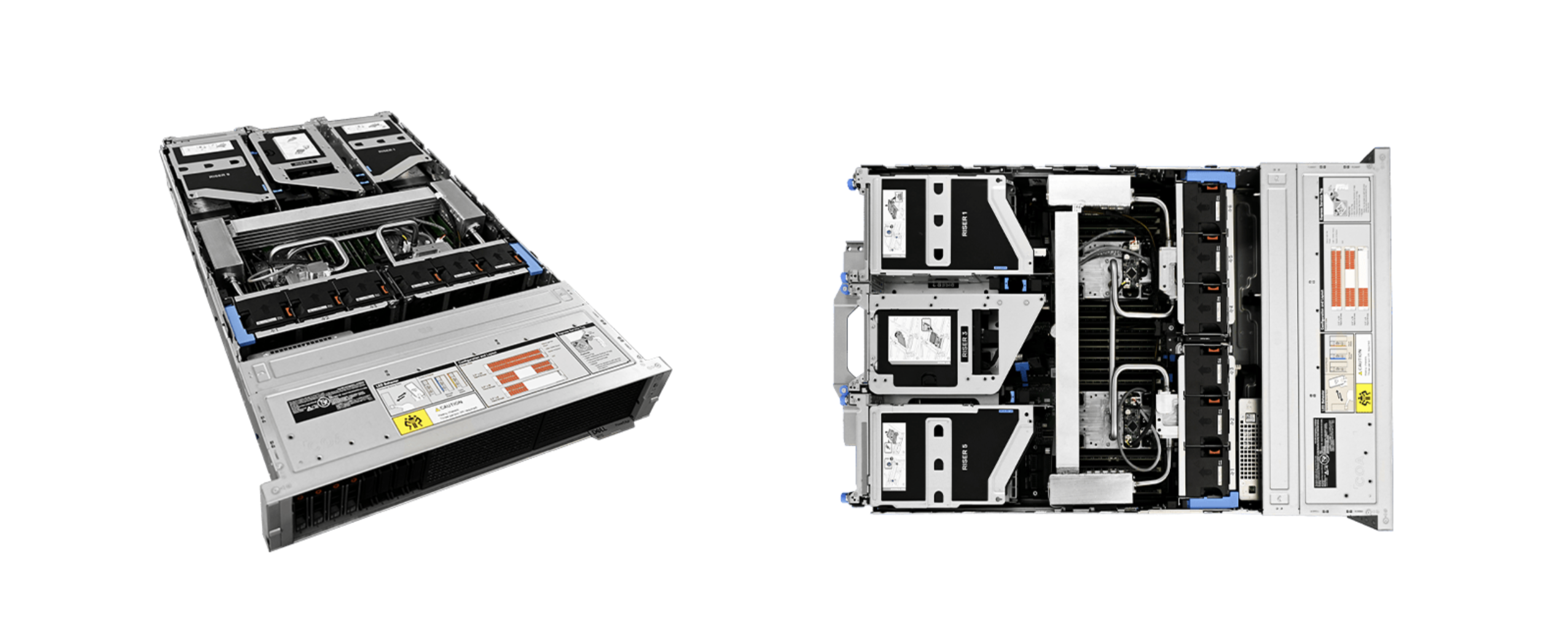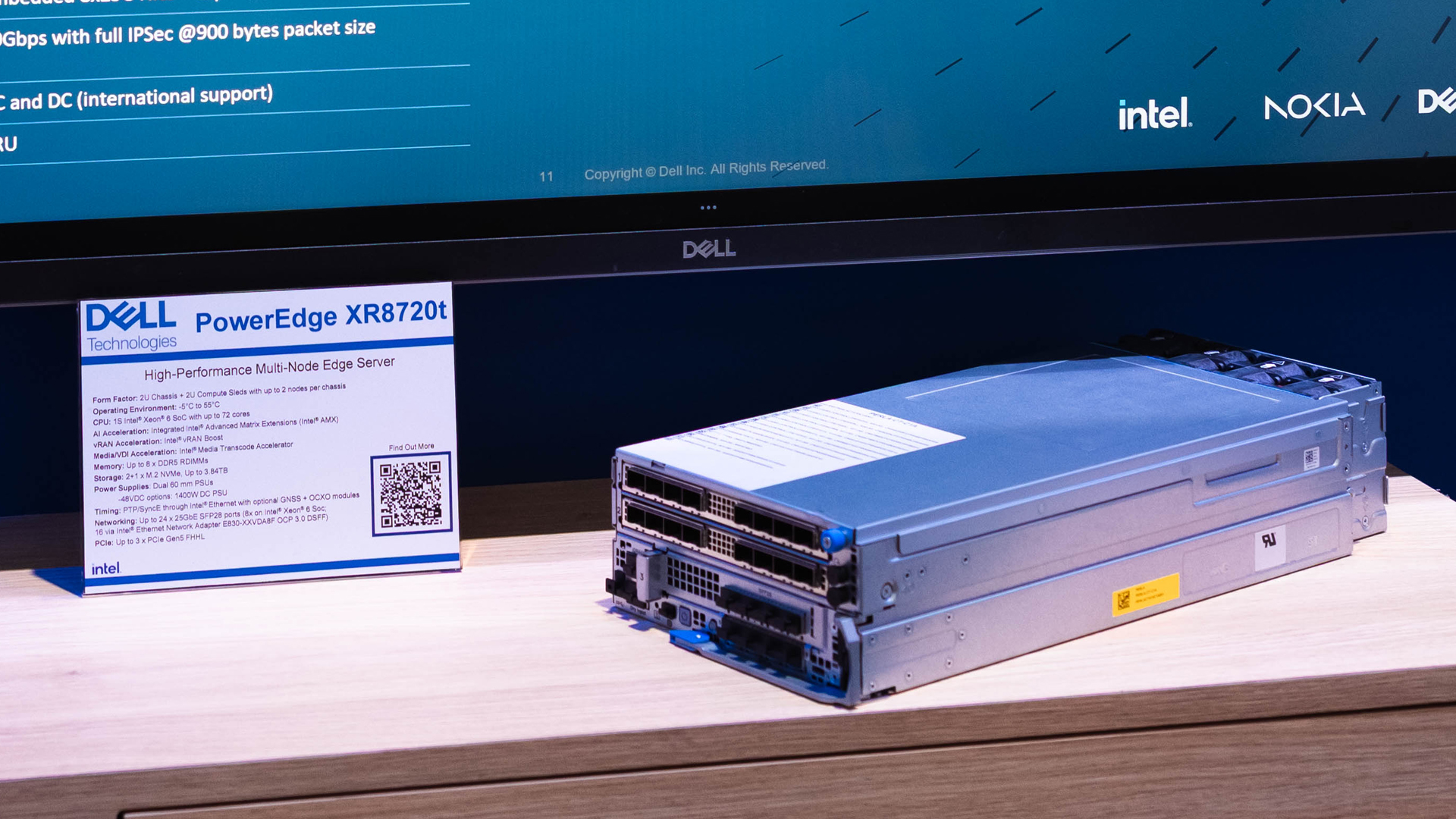
PowerEdge XR8000 humming in some godforsaken industrial park, crunching 5G user plane functions like it’s no big deal. Intel, Dell, and Nokia just dropped this beast at MWC 2026 previews— a UPF deployment at the far edge that’s supposedly rugged, low-power, and ready to scatter across suburbs and wastelands.
Zoom out. Telcos have been whining about centralized clouds forever. Metro hubs? Fine. But try serving a factory in the boonies or a rural tower— latency kills, coverage sucks. So here comes the distributed edge gospel: smaller boxes, closer to users, more agile. Or so they say.
Why Chase UPF to the Far Edge?
UPF. User Plane Function. The guts of 5G that shuttles your cat videos and Zoom calls. Traditionally, it’s parked in fat data centers. Now? They’re pushing it to the “far edge”— think oil rigs, mines, smart farms. Enterprise data’s exploding there, they claim. Real-time apps demand it. Latency? Slashed. Coverage? Blanketed.
But here’s the thing— this isn’t new. Remember 4G small cells? Everyone hyped distributed everything back then too. Most telcos balked at the capex nightmare. Deploying pizza-box servers everywhere? Nightmares of heat, power, failures. This trio swears they’ve cracked it with Dell’s XR8000, Intel’s Xeon 6 SoC (Granite Rapids-D flavor), and Nokia’s appliances.
Available Q3 2026. Mark your calendar— or don’t.
Nokia’s Gordon Milliken gushes:
“The telecommunications landscape is undergoing a profound transformation, with enterprise data increasingly processed at the edge. This shift demands a new generation of distributed architecture that deliver unparalleled agility, consistent coverage, and stringent performance. With our Nokia Appliance, powered by the Intel Xeon 6 SoC, we are directly addressing these needs, bringing high performance, low power consumption, and integrated AI capabilities directly to the edge.”
Profound transformation. Unparalleled agility. Pull the other one, Gordon. It’s PR syrup.
Is This 30% Performance Jump Legit?
Numbers first. They tout a 30% UPF boost. 43% runtime CPU power savings on Nokia’s 5G UPF. Flexible scaling, low latency, reliability up the wazoo. Dell’s box is rugged— survives dust, vibes, power hiccups. Intel’s Chandresh Ruparel chimes in:
“As AI accelerates the transformation of mobile communications and changes how data flows through the network, we are helping our customers rearchitect their networks while balancing power and performance needs without the complexity of rip-and-replace upgrades.”
AI at the edge? Sure, Xeon 6 packs E-cores for that. But rearchitect without rip-and-replace? That’s the dream telcos chase. History says otherwise— remember Cisco’s edge flops in the 2010s? Piles of underused gear gathering dust.
My unique dig: This reeks of Intel’s desperate pivot. Post-x86 slump, they’re shoving SoCs everywhere— laptops, edges, now telco. Nokia and Dell? Happy to ride the wave. Bold prediction: By 2028, half these far-edge UPFs will be ghosts, underutilized as AI hype fades and capex freezes hit.
Look— benefits stack up on paper. Scalable capacity for data floods. Cost tweaks by splitting control/user planes. Energy wins in power-starved spots. Localized services for factories craving private 5G. Reliability via distribution— no single point of failure.
Skeptical? Damn right. Telcos love centralized for a reason: control, opex predictability. Scattering UPF means more trucks rolling, more firmware nightmares, more hackers probing edge weak spots.
The Power Play Behind the Hype
Intel’s Xeon 6 isn’t just muscle— it’s AI-infused for far-edge smarts. Nokia’s NFVI 5.0 cloud core gets a sidekick. Dell provides the hardened chassis. Trio synergy, right?
But peel the onion. Telecom’s bleeding cash on 5G buildouts. ARPU flatlining, competition from Starlink and fiber. Edge UPF? It’s a band-aid for coverage holes, not a revenue rocket. And that 43% power save? Impressive, until you factor install, maint, and the inevitable software bloat.
Short para punch: Hype cycle incoming.
Wander a bit— think back to Edge Computing Inc. circa 2018. Billions poured, most evaporated. This feels familiar. Corporate spin calls it “transformation”; I call it survival mode for three giants chasing telco scraps.
Will Telcos Actually Buy This?
Operators like Verizon, AT&T— they’re nibbling edges already. Private 5G for warehouses, stadiums. But far edge? Remote sites scream high TCO. Nokia’s betting on AI to sweeten the pot— inferencing on-site for anomaly detection, predictive maint.
Reality check. Most workloads stay centralized. Edge for ultra-low latency only, like AR/VR or autonomous drones. Rest? Cloud’s cheaper. Prediction: Niche win for industrial 5G, flop for broad telco rollout.
And the PR? Milliken and Ruparel sound like they’re selling timeshares. “Unlock new possibilities.” Yawn.
Edge UPF could matter if 6G forces total distribution. But 2026? Premature. Wait for real deploys.
🧬 Related Insights
- Read more: M5 MacBook Pro Drops to $1,400 – Apple’s Midrange Power Play
- Read more: Edge AI Tears Up the Predictive Maintenance Playbook
Frequently Asked Questions
What is UPF deployment at the far edge?
It’s shoving 5G user plane processing to remote, rugged spots near users— cutting latency, boosting coverage with boxes like Dell’s XR8000 powered by Intel Xeon 6.
Does Intel-Dell-Nokia UPF save energy?
Claims 43% CPU power cut on Nokia’s 5G UPF. Solid for power-tight edges, but total ownership costs matter more.
When is this edge UPF available?
Q3 2026. Early hype from MWC 2026 previews— expect delays.