Are you tired of your tech looking like it was designed by a committee of beige-loving accountants?
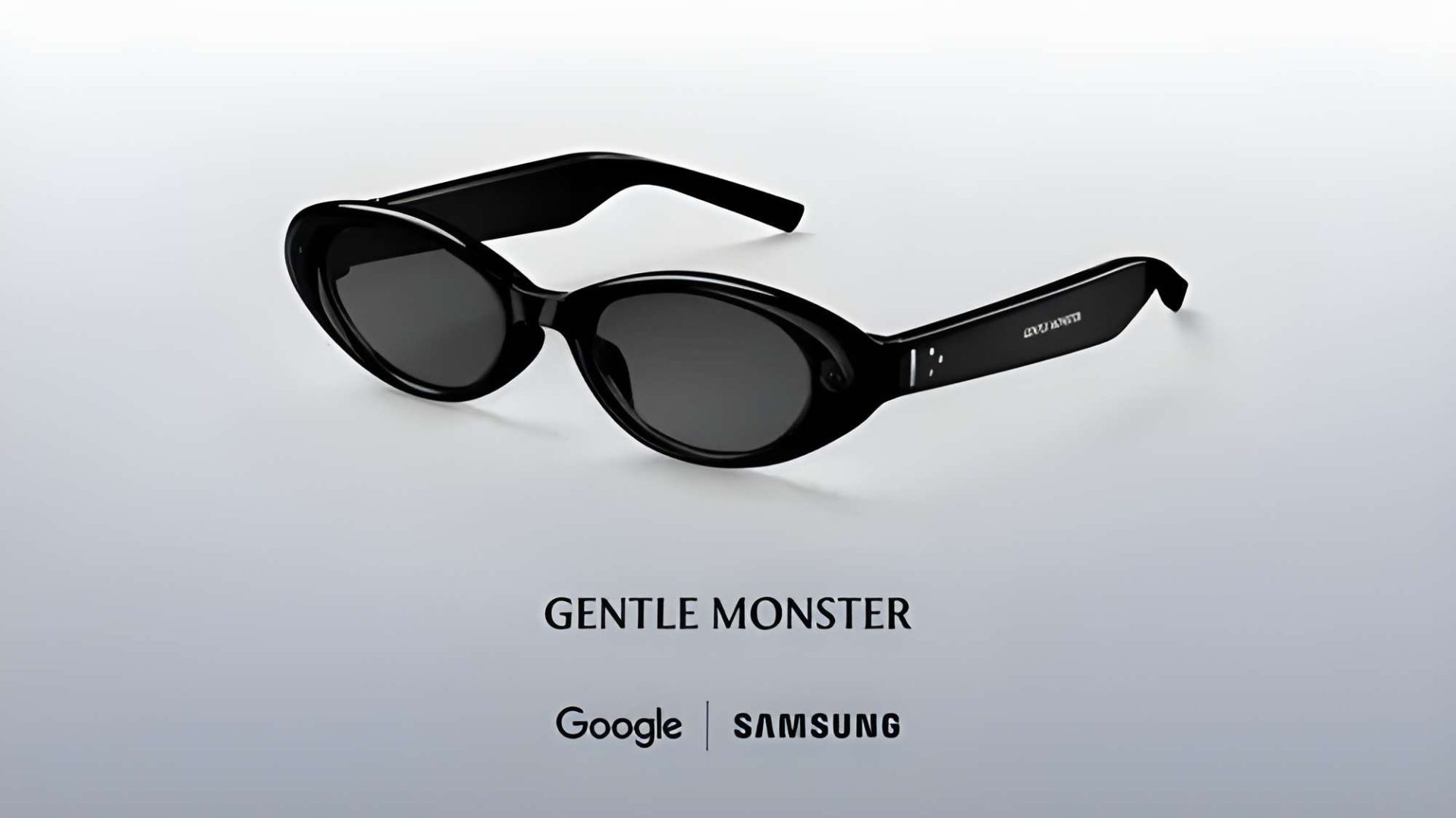
Google certainly thinks so. At their recent I/O event, they unveiled something that’s less about raw processing power and more about… well, looking good. The new Google Audio Glasses, a collaboration with fashion house Gentle Monster and eyewear stalwart Warby Parker, are here. They’re not just another clunky piece of smart eyewear; they’re aiming for the runway. And they’re packing Gemini AI. Because apparently, your AI assistant needs designer frames.
Style First, Substance Later?
Let’s be blunt: the spec sheet here reads like a fashion magazine spread. You’ve got frames from Gentle Monster and Warby Parker. Samsung helped engineer them. They pair with both Android and iOS. Sounds fancy. It’s meant to be. The glasses are promised to launch this fall, looking “aesthetically pleasing.” I’m sure they do. The real question is what’s inside this stylish package.
Beneath the polished facade, Google claims a “spartan” design hides a wealth of Gemini-powered productivity features. You can tap the frame. Or just say “Hey Google.” Simple enough. These glasses are supposed to help you decode confusing parking signs (because that’s a daily struggle, right?) or find restaurant reviews as you walk by. Handy, I guess. They always know your location and direction, making navigation feel like a helpful friend is whispering in your ear. Who needs GPS on their phone when you have a fashion accessory guiding you?
AI for the Everyday (or Just the Fancy)
On the go, Google promises you can manage calls, have Gemini send texts, summarize important info, and blast your favorite tunes. All voice-controlled, naturally. You can even capture and edit images and videos with a single command. And for those truly struggling with multilingual commutes, real-time audio translations are on offer, supposedly matching the tone of the conversation. Fancy. Gemini integrates with third-party apps too, letting you hail an Uber or learn a new language via Mondly, all through natural language. It’s essentially your phone’s assistant, but now it lives on your face.
But here’s the rub. Google also teases another smart glasses variant with a built-in display, likely launching next year. This makes the current Audio Glasses feel… a bit like a beta test. A very expensive, very stylish beta test. We’re still waiting on pricing details for these fashion-forward AI companions, but you can bet it won’t be cheap. When a product prioritizes designer names over clear functional differentiation from existing tech, alarm bells should ring.
My take? This feels less like a leap forward in smart glasses and more like Google trying to inject some much-needed cool into their hardware. They’re hoping that by slapping some designer labels on a pair of smart glasses and adding Gemini, they can make them desirable. It’s a gamble. Will people pay a premium for AI integration on their eyewear if it doesn’t offer truly novel capabilities beyond what their phone already does, just wrapped in a sleeker package?
For years, smart glasses have been the tech industry’s white whale. Promising the future, always falling short. Google’s latest attempt, while aesthetically ambitious, still suffers from the fundamental problem: what compelling, unique problem does this actually solve that my existing devices don’t? It’s a question that remains as unanswered as the price tag.
Why Does This Matter for Productivity?
On paper, the productivity features sound appealing. Real-time translation, on-the-fly summarization, hands-free messaging – these are all undeniably useful. The integration with third-party apps like Uber and Mondly hints at a deeper ecosystem play. If the Gemini AI can truly execute these tasks reliably and intuitively via voice commands, without the constant need to pull out your phone, then there’s a genuine case to be made for enhanced on-the-go productivity. The contextual awareness—knowing your location and direction—is the key differentiator here, allowing for more relevant and proactive assistance than a simple voice assistant on a smartphone can offer.
However, the skepticism lingers. The success of such a device hinges not just on its AI capabilities but on its wearability, battery life, and—crucially—its price. If these glasses are uncomfortable, drain quickly, or cost a fortune, their productivity potential will be severely hampered, regardless of how good Gemini is. This isn’t just about having AI in your glasses; it’s about making that AI useful and accessible in a way that genuinely improves your daily workflow without being a constant annoyance or an exorbitant luxury.
🧬 Related Insights
- Read more: AMD’s Ryzen 9 9950X3D2 Dual Edition: 208MB Cache Monster Redefines Gaming Silicon
- Read more: NVIDIA’s Slurm-Kubernetes Hack Powers 8,000-GPU AI Beasts
Frequently Asked Questions
What do Google Audio Glasses do?
Google Audio Glasses are smart eyewear designed to integrate Gemini AI for productivity tasks. They allow users to manage calls, send messages, get real-time translations, capture media, and interact with various apps using voice commands, all while being aware of the user’s location and direction.
When will Google Audio Glasses be released?
Google Audio Glasses are expected to launch this fall.
Are Google Audio Glasses expensive?
Pricing details for the Google Audio Glasses have not yet been released, but given the designer collaborations, they are anticipated to command a premium price.