Here’s a number to chew on: 1 day. That’s apparently how long it took IO Interactive’s engineers to slap Sony’s proprietary PSSR 2.0 upscaling tech into their new James Bond game, 007 First Light, and be thrilled with the results. Meanwhile, the rest of the world — you know, PC gamers, Xbox folks — get a perfectly fine, but decidedly less exclusive, AMD FSR 3.1.5. This whole PSSR 2.0 saga on the PS5 Pro has all the hallmarks of the same old song and dance we’ve heard for two decades in this industry: a new piece of hardware arrives, and suddenly a proprietary solution emerges, promising magic while locking everyone else out.
Look, I get it. Sony wants its shiny new console to look shiny. They want to say, ‘See? We have exclusive visual bells and whistles that only our expensive box can deliver!’ And sure, the developers claim it was a breeze. Technical Director Henrik Schlichter chirps about a ‘meaningful jump in image quality across the board — cleaner, more stable, and noticeably sharper’. Principal Render Engineer Jon Rocatis adds the kicker: ‘We integrated upgraded PSSR in about a day and were essentially happy with what we saw straight away. No per-scene tuning, no special-case work — it just held up across the whole game.’ It just worked, they say. Convenient, isn’t it?
Is This a Real Upgrade, or Just More Console Lock-In?
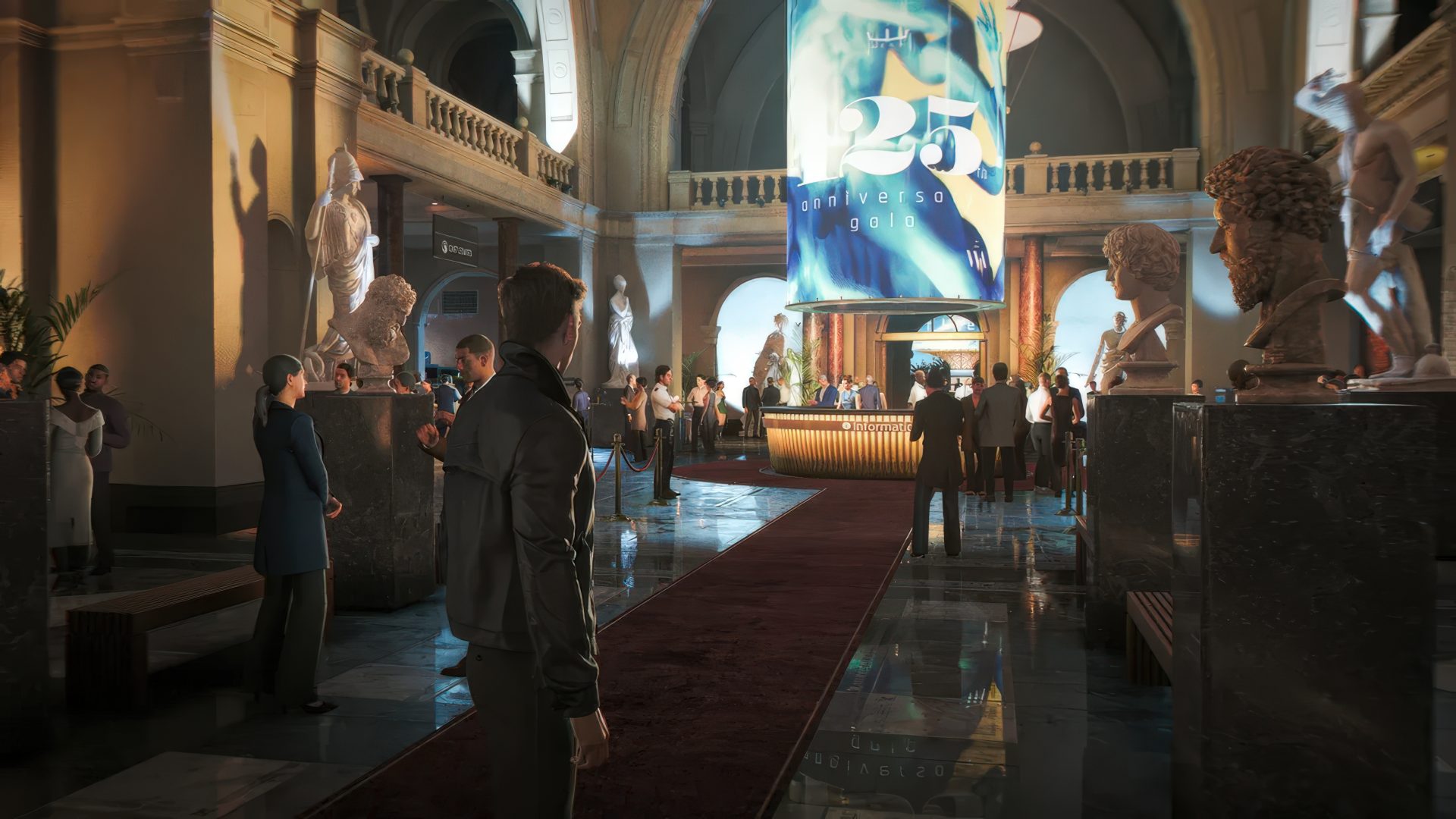
What does this mean for you, the average gamer? Well, if you’re buying a PS5 Pro specifically to play 007 First Light and crave that extra bit of shimmering foliage and less flickering artifacts, you’re golden. Sony’s clearly trying to justify the Pro’s existence with these sorts of exclusives, and PSSR 2.0 is the shiny feather in its cap. And hey, who doesn’t want sharper character models in those dramatic cinematic moments? The promise of reduced shimmering and flickering is, I’ll admit, a genuine improvement for high-frequency detail in games. But here’s the cynical veteran kicking in: is this PSSR 2.0 truly a revolutionary leap, or just a slightly tweaked internal renderer that Sony is dangling like a carrot to make you upgrade? Because if it integrated in ‘about a day’ and required ‘no per-scene tuning,’ it sounds less like groundbreaking innovation and more like a feature that should have been available to everyone, or at least more broadly. The whole ‘it just held up’ line feels a bit too polished, too much like PR talking points designed to obscure the reality that AMD’s FSR is a cross-platform solution. Sony is, as always, building its own walled garden.
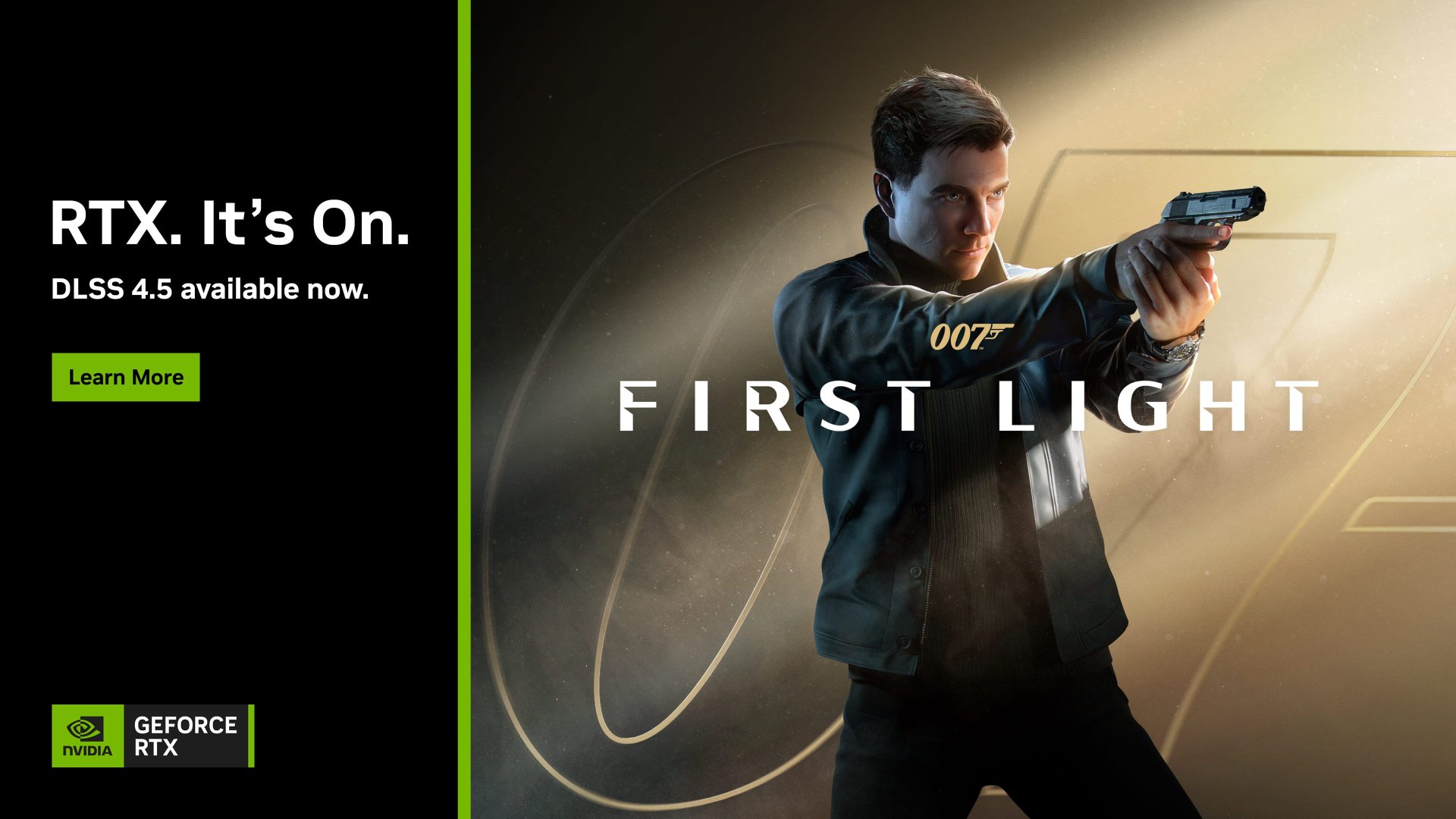
And let’s not forget the PC side. While 007 First Light will eventually grace the PC, those players are left waiting for NVIDIA’s DLSS 4.5 Super Resolution and Dynamic Frame Generation, which themselves have been delayed. So, the ‘best way to play’ on consoles is, unsurprisingly, on the most expensive console. Shocking, I know.
Who’s Actually Making Money Here?
This is the question that keeps me employed after all these years, and frankly, it’s the one that matters. Sony is making money by selling you a more expensive console that runs exclusive, albeit slightly better-looking, versions of games. IO Interactive is probably getting a nice chunk of change from Sony to prioritize their proprietary tech, and maybe some development time saved by not needing to heavily optimize FSR 3.1. AMD is making money selling their chips and licensing FSR, but they’re getting snubbed on the PS5 Pro for this particular game. NVIDIA is making money selling their high-end GPUs, but they’re also playing the waiting game for their own tech to roll out. At the end of the day, it’s Sony pushing its ecosystem, and developers, whether through genuine enthusiasm or a fat check, playing along.
It’s a familiar dance, really. Remember when PlayStation exclusives were about gameplay and IP? Now, it seems, it’s increasingly about who can boast the slightly better checkerboard rendering or a proprietary upscaling algorithm that nobody else can touch. The game is out May 27th for PC, PlayStation 5, and Xbox Series S/X. The Switch 2 version is coming later. For those of you eyeing the PS5 Pro, this PSSR 2.0 is your shiny new toy. For the rest of us, we’ll just have to hope FSR 3.1.5 is good enough.
My Unsolicited Take: It’s All About Future Console Cycles
This isn’t just about 007 First Light. This is a preview of how Sony plans to differentiate its mid-cycle console refresh. They’ve learned from the PS4 Pro era, where the benefits felt incremental at best. Now, they’re pushing for more tangible (and proprietary) visual enhancements. The irony is that while AMD’s FSR and NVIDIA’s DLSS are pushing for open standards and wider compatibility — which, in theory, benefits everyone — Sony is doubling down on the console as a closed ecosystem. It’s a strategic move, no doubt, designed to push hardware sales and keep developers tethered to their platform. But for us consumers, it just means more fragmentation and more reasons to question if the upgrade is truly worth it.
🧬 Related Insights
- Read more: Samsung’s 900-Layer V-NAND [Prototype Analysis]
- Read more: 6G Tech Leaps: Beyond 5G Specs